
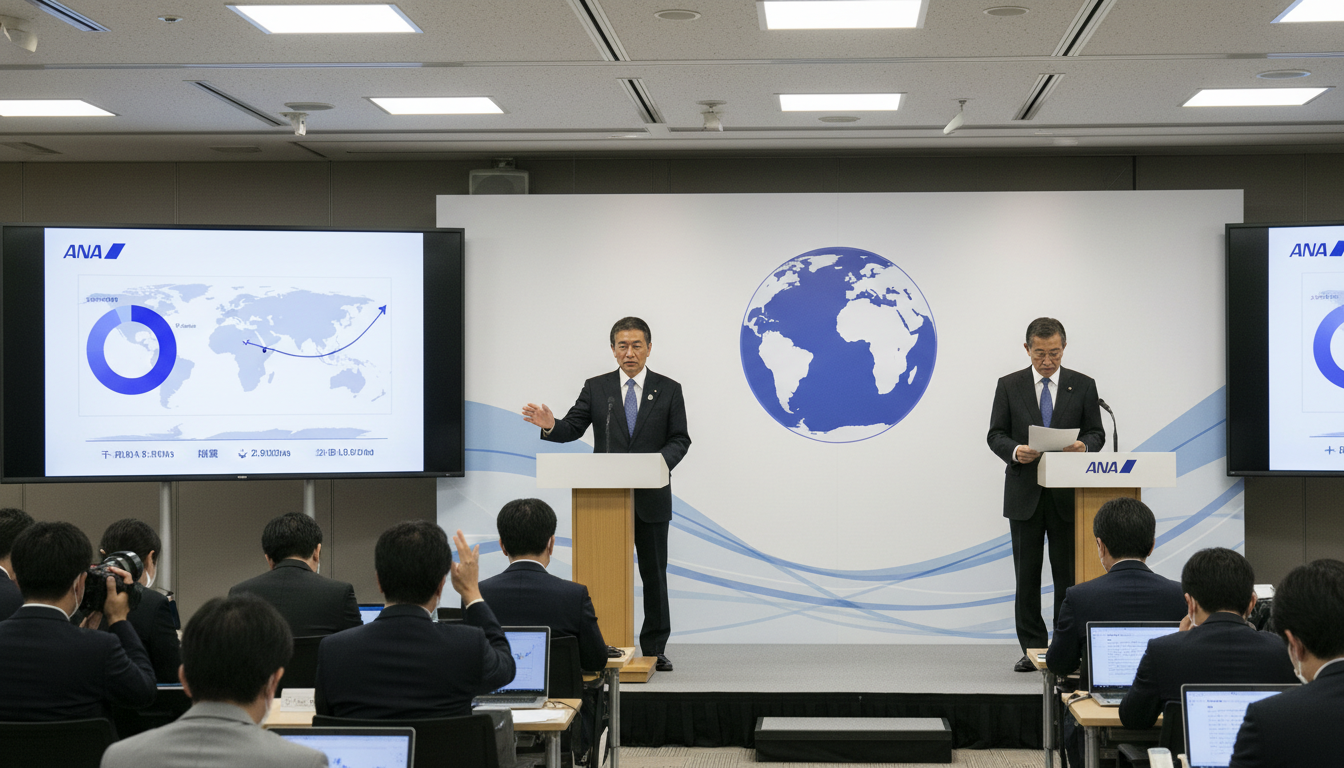
ANA, JAL accelerate international fuel surcharge hike amid Middle East tensions
Japan’s two flag carriers announced on April 20, 2026, that international fuel surcharge increases will be implemented earlier than planned, raising fuel surcharge levels across key routes and citing volatile kerosene prices and Middle East tensions.
ANA and JAL announce accelerated fuel surcharge increase
Both ANA Holdings and Japan Airlines disclosed on April 20, 2026, that they will move forward with larger-than-expected increases to the international fuel surcharge for tickets issued in May and June. The carriers said the decision responds to sustained volatility in aviation fuel markets amid geopolitical tensions in the Middle East, which they warn could push surcharges higher in coming months.
The companies framed the change as a necessary short-term measure to protect operating margins as jet fuel costs climb. They emphasized the adjustments apply to ticketing in the May–June issuance window and affect multiple long-haul and regional routes.
New surcharge levels by route and carrier
Under the revised schedule, surcharges on Japan–South Korea routes roughly double compared with the previous banding. ANA will raise the surcharge from ¥3,300 to ¥6,700 for Japan–Korea flights, while JAL’s level will move from ¥3,000 to ¥6,500.
On the most expensive trans-Pacific and Europe services, the increase is steeper: ANA’s surcharge will rise from ¥31,900 to ¥56,000, and JAL’s from ¥29,000 to ¥56,000. Carriers noted the new rates represent a 1.5–2.0 times increase on average versus the prior schedule for tickets in the May–June issue period.
How carriers calculate the fuel surcharge
ANA and JAL said their surcharge formulas combine a two-month moving average of aviation fuel (kerosene) prices traded in Singapore with average foreign exchange rates, applied to each carrier’s internal price table. The two-month averaging is intended to smooth short-term spikes while reflecting recent market trends.
JAL highlighted that kerosene prices have risen faster than crude oil in recent months, citing an average kerosene valuation of ¥23,076 per barrel for February–March 2026. That level exceeded the previous price-table ceiling used by both carriers, prompting a recalibration of surcharge brackets.
Price-table revision and upper limit adjustment
Both airlines revised the upper band of their internal fuel-price tables after the Singapore kerosene averages exceeded the former ceiling of ¥21,000 per barrel. The new table raises the upper limit to just under ¥24,000 per barrel, a change intended to broaden the mechanism’s coverage and reduce the need for ad hoc surcharges when market prices spike.
Despite the table adjustment, ANA and JAL said the surcharge applied in this round is set below the full calculated level because of temporary government support measures. The carriers noted that the state’s sudden-change mitigation subsidy allows them to moderate immediate passenger charges while still addressing deteriorating fuel-cost margins.
Government assistance and industry considerations
The government subsidy cited by the airlines forms part of a broader emergency support framework aimed at tempering the sudden pass-through of fuel cost increases to consumers. Officials have signalled limited, targeted aid to prevent an immediate surge in travel costs while markets remain unstable.
Industry analysts caution that subsidies are time-limited and that if kerosene prices continue rising — or if diplomatic and military tensions widen in the Middle East — carriers may need to apply additional increases or return to higher surcharge bands later in the year. Both ANA and JAL stressed that the current step is a provisional measure and that future adjustments will depend on market developments.
Impacts on passengers and airline finances
For passengers, the accelerated fuel-surcharge hike raises the out-of-pocket cost for new international tickets issued in May and June, particularly on premium long-haul routes where surcharges now exceed ¥50,000. Travel agents and booking platforms said the change will be reflected at the time of ticket issuance and could alter consumer planning for summer travel if market uncertainty persists.
From a corporate perspective, the move seeks to shore up airline revenue as jet fuel becomes a larger share of operating expenses. Airlines have faced a recovery in demand since the pandemic, but rising input costs threaten profit margins on international services that are sensitive to fuel price swings.
The carriers indicated they will monitor market indicators closely and maintain flexibility in applying future surcharge bands. They also reiterated commitment to customer communication and advised passengers to check fare breakdowns at purchase.
Looking ahead, ANA and JAL warned that continued instability tied to Middle East developments could necessitate additional adjustments to fuel surcharges. The airlines urged consumers and industry stakeholders to expect further price-setting announcements if kerosene market averages remain elevated.

