
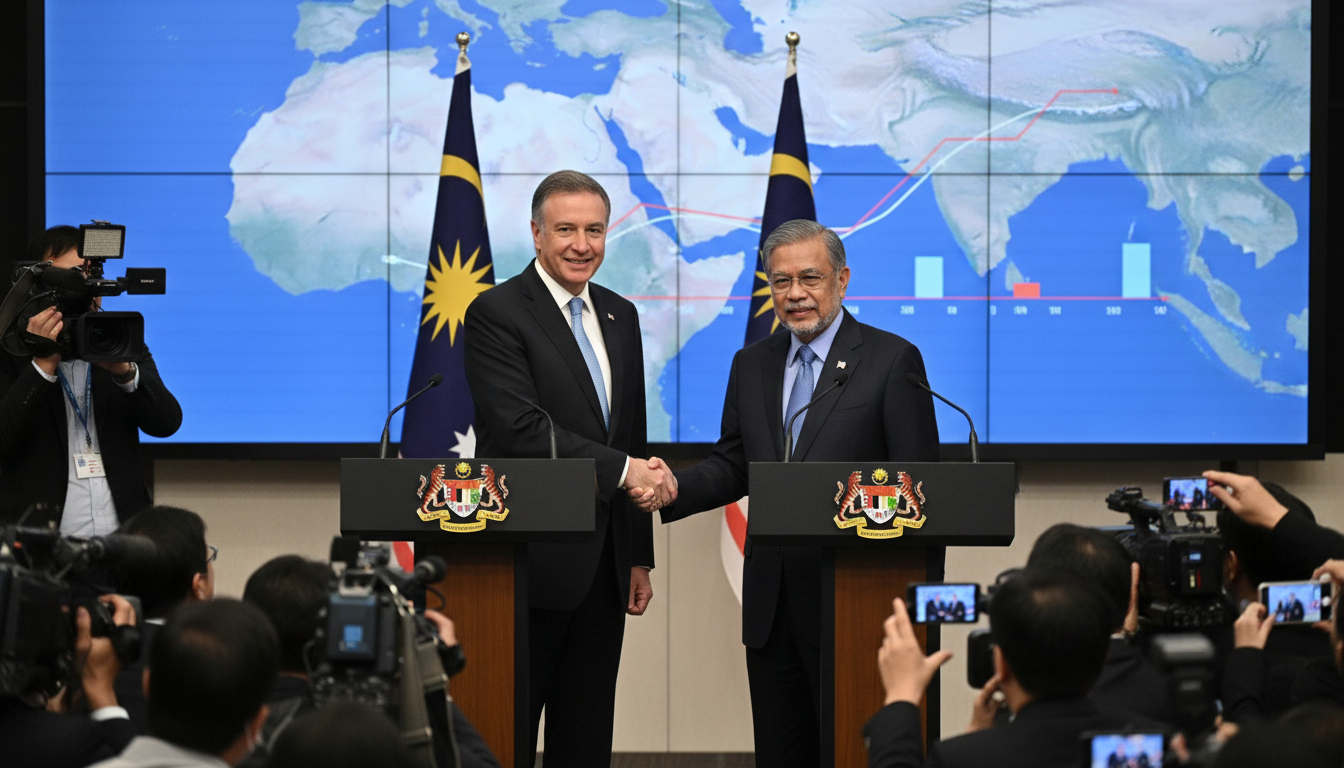
Australia and Malaysia Pledge to Strengthen Energy Supply Chain Resilience Amid Middle East Tensions
Australia and Malaysia commit to strengthening energy supply chain resilience amid Middle East conflict concerns, aiming to secure supplies and curb price shocks
Australia and Malaysia said in a joint statement on Thursday, April 16, 2026, that they will work together to strengthen energy supply chain resilience in response to risks stemming from the conflict in the Middle East. The two governments expressed deep concern about the regional impact of the fighting, particularly on energy supplies and price volatility. The pledge marks an effort to shore up bilateral cooperation on supply security, strategic reserves and market transparency. Officials framed the move as pragmatic risk management to reduce disruptions for consumers and industry across the Indo-Pacific.
Australia and Malaysia Issue Joint Statement
The foreign ministries of both countries released a coordinated communiqué outlining shared priorities for energy security and supply chain resilience. The statement described "deep concern" over the Middle East conflict and highlighted possible knock-on effects on global energy markets and regional economic stability. It signaled a willingness to coordinate on immediate risk-mitigation measures and longer-term structural cooperation. Government spokespeople emphasized the importance of predictable supply flows for households and businesses.
Concerns Over Middle East Conflict and Market Volatility
Both capitals cited the conflict as a key driver for the renewed focus on energy supply chain resilience and price stability. Disruptions or escalations in the Middle East have historically affected crude oil and liquefied natural gas (LNG) markets, creating ripple effects for import-dependent economies. Australia, a significant LNG exporter, and Malaysia, a major regional supplier, said they are monitoring shipping routes, insurance costs and trading disruptions. They warned that sustained instability could amplify energy price swings that hurt consumers across the region.
Planned Measures to Reduce Short-Term Risk
The joint statement outlined a series of short-term steps intended to limit immediate exposure to supply shocks. These include enhanced information sharing between energy authorities, joint monitoring of shipping and port operations, and contingency planning for rerouting supplies if key maritime corridors become threatened. Officials also discussed mechanisms to coordinate release of strategic reserves and to use existing bilateral channels to smooth temporary disruptions. The measures aim to keep markets functioning and to reassure businesses and consumers of continued access.
Longer-Term Strategies to Bolster Supply Chains
Beyond immediate measures, Canberra and Kuala Lumpur signaled intent to deepen structural cooperation to improve resilience over the medium term. Areas identified for collaboration include diversification of supply sources, investment in storage capacity, and promotion of transparent contract practices across the LNG and petroleum sectors. The two governments also pointed to potential coordination on energy infrastructure projects and shared standards for supply-chain risk assessment. Analysts said such steps could reduce reliance on single points of failure and make supply networks more adaptable to shocks.
Implications for Regional Energy Prices and Trade
Market participants are watching closely for how the bilateral move might affect regional pricing dynamics and commercial flows. Any coordinated action on reserve releases or rerouting could help cap near-term price spikes, while longer-term investments in storage and diversification may lower volatility over time. Trade partners in East and Southeast Asia could benefit from clearer signaling and better contingency arrangements for LNG and refined products. However, economists cautioned that broader market forces and geopolitical developments will continue to shape price trajectories beyond what any two governments can control.
Cooperation on Strategic Reserves and Industry Engagement
Both governments placed emphasis on working with domestic industry and regional partners to implement resilience measures effectively. The joint statement referenced consultation with energy companies and regulators to align public and private responses to supply risk. This cooperation is expected to cover inventory management, contractual flexibility and emergency response drills. Officials said stakeholder engagement is crucial to ensure that policy actions translate into practical, market-aware solutions.
The announcement underscores a pragmatic pivot by Australia and Malaysia toward shared risk management in an increasingly interconnected energy landscape. By naming energy supply chain resilience as a bilateral priority, both countries aim to protect consumers, stabilize markets and maintain trade flows despite external shocks. Observers say that successful implementation will depend on sustained policy coordination, investment in infrastructure, and close dialogue with industry and regional partners.

