
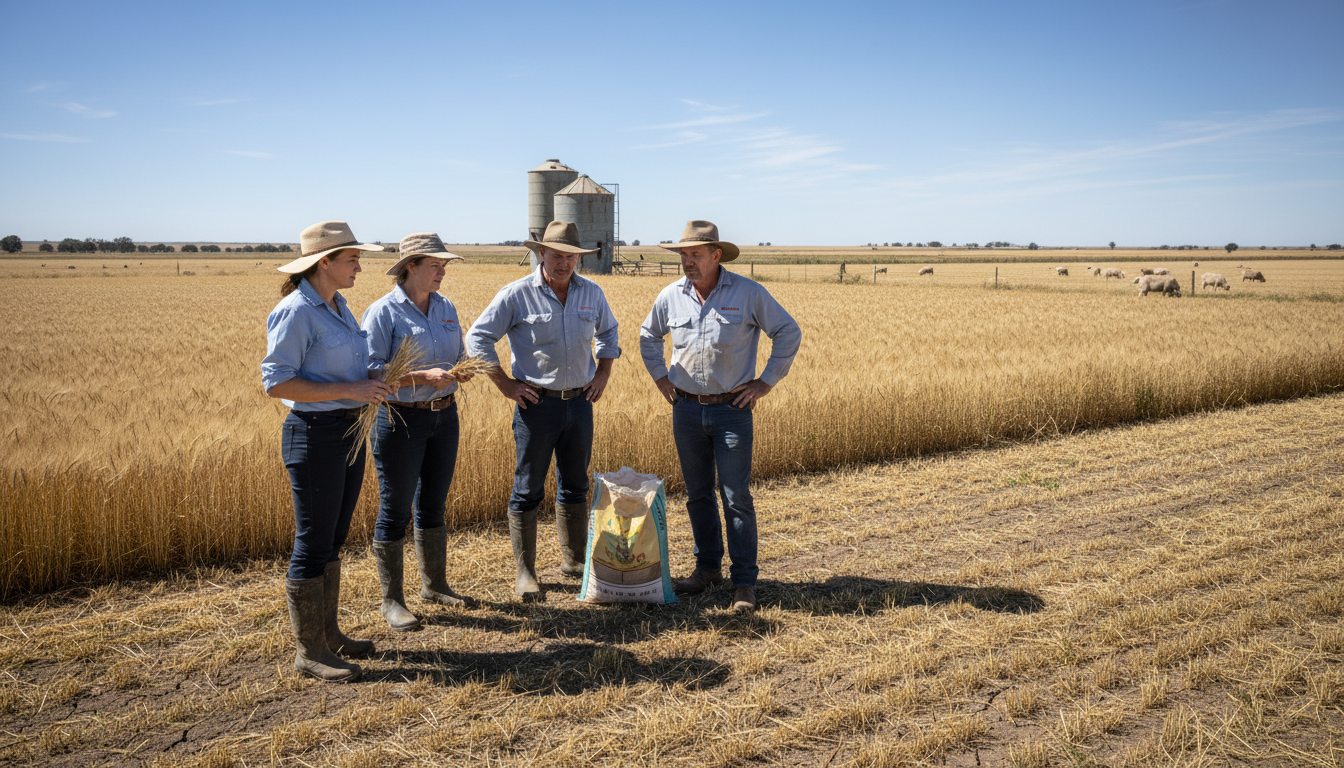
Australian farmers face fertilizer squeeze as Strait of Hormuz disruption pushes input costs higher
Rising input costs squeeze margins for Australian farmers, who are adjusting cropping and livestock plans after late-April 2026 shipping disruptions cut fertilizer supplies and raised feed prices across the east coast.
In late April 2026, farmer Sam Kelly drove a double-trailer truck from his central New South Wales property to deliver wheat to a poultry feed mill before proceeding to Port Kembla to pick up inputs. Australian farmers across several states report similar disruptions, with fertilizer availability tightening and prices climbing as trade through the Strait of Hormuz has been disrupted by the ongoing conflict in the region. The combination of higher freight costs, delayed shipments and reduced supply is forcing producers to reassess planting, fertiliser use and feed strategies for the coming seasons.
Supply chain chokepoints from the Persian Gulf to Australian ports
Shipping firms and traders say vessel rerouting and insurance costs have surged since the conflict intensified in the Persian Gulf, limiting the flow of key agricultural inputs. That disruption has extended transit times and raised the landed cost of nitrogen, potassium and phosphate-based fertilizers used widely by Australian farmers.
Importers report bottlenecks at major east coast terminals, including Port Kembla and Newcastle, where arrival schedules have become erratic and demurrage charges for waiting ships have climbed. Those port pressures are passing through to farm-gate prices and are affecting timely deliveries to feed mills and retail outlets.
Fertilizer price inflation and cropping decisions
Fertilizer spot prices have climbed sharply, industry analysts say, prompting many grain and horticulture growers to delay or scale back application rates this season. Reduced fertiliser use can lower yields, creating a trade-off between input cost savings now and potential revenue losses at harvest.
Some broadacre farmers are prioritising high-value crops where fertiliser efficiency is greatest, while others are shifting to lower-intensity rotations or increasing fallow periods. The changing decisions are already visible in tendering activity for contract cropping and in early seed orders across New South Wales and Victoria.
Livestock producers confront rising feed bills
Feedlot operators and poultry producers are facing the knock-on effects as wheat and protein meals move from surplus zones into animal feed chains. With truckloads diverted and wheat prices pressured by logistical constraints, livestock producers are reporting higher per-head costs and narrower margins.
Producers who typically rely on imported soybean meal or urea-based supplements say they are exploring alternative rations and sourcing strategies. Smaller farms with limited storage face greater vulnerability, while larger integrated operations are better able to absorb temporary price spikes.
On-farm adjustments and risk management
Across regions, Australian farmers are adopting short-term measures to stretch existing supplies, including split fertilizer applications, increased testing to target nutrient application and the use of organic or locally available soil amendments. These practices aim to preserve crop potential while reducing immediate cash outlays.
Farm advisers and agronomists caution that some adjustments carry yield risks if weather conditions turn less favourable. Many farmers are also increasing dialogue with buyers and input suppliers to secure contracts or stagger deliveries to mitigate uncertainty.
Industry and government responses
Agricultural industry bodies have urged federal and state authorities to prioritise port efficiency and to monitor market conduct as price volatility grows. Some peak groups are calling for temporary relief measures, including expedited inspections and streamlined customs processes to reduce time in port.
Government agencies have signalled they are tracking the situation and coordinating with logistics stakeholders, though officials say remedies will depend on broader global shipping conditions. Trade associations are also pressing fertilizer manufacturers to prioritise supply to critical agricultural sectors.
Market outlook and implications for food prices
Traders warn that if disruptions persist, Australian farmers could see tighter margins through the 2026 harvest period, potentially translating into higher retail prices for some food products. The most immediate risks lie with inputs for intensive cropping and feed-dependent livestock sectors where substitution options are limited.
Longer-term impacts will hinge on the duration of the Persian Gulf conflict and the speed at which shipping routes, insurance and supply chains stabilise. For now, the agricultural sector is bracing for a season in which input management and logistical adaptability will be decisive for farm profitability and national food supply resilience.
Farmers like Sam Kelly say the current squeeze is a reminder of how global events can quickly affect local production decisions, and many are preparing for more conservative input strategies in the months ahead.

