
Chinese spending in Japan halves as Beijing travel warning reshapes Tokyo retail strategy
Beijing’s travel warning halved Chinese spending in Japan, forcing Tokyo retailers to pivot to U.S. and Southeast Asian tourists and overhaul sales, staffing and promotions.
Tokyo luxury shops and mass-market retailers are scrambling after a steep drop in Chinese visitors and a reported halving of Chinese spending in Japan, industry representatives say. The decline has prompted a strategic shift toward U.S., Southeast Asian and domestic customers as stores rework staffing, pricing and marketing for the summer season.
Ginza luxury stores see fewer Chinese shoppers
A luxury boutique in Ginza opened a new watch showcase in May to muted fanfare as fewer Chinese shoppers arrived than anticipated. On opening day a visitor from Puerto Rico, Victoria Aponte, inspected Rolex displays while store managers noted instead a rise in customers from the United States and nearby Asian markets.
Retailers described inventory that had been earmarked for Chinese tourists now being offered to a broader international clientele and to Japanese customers through targeted campaigns. The loss of Chinese foot traffic is altering how high-end stores time new arrivals and manage limited-edition stock.
Electronics and duty‑free chains adjust to a smaller Chinese market
Household electronics and duty‑free chains that relied heavily on Chinese spending reported a sharp contraction in sales from that group. Shops that had structured staffing rosters and language services around Mandarin-speaking visitors are now reallocating resources and retraining staff for other languages.
Some chains are accelerating loyalty programs for repeat international buyers and expanding tax‑free eligibility marketing to travellers from South Korea, Taiwan and Southeast Asia. Company spokespeople say the objective is to stabilise revenues while waiting for clearer signals about cross‑border travel policy.
Retailers pivot to U.S. and Southeast Asian tourists
Several Tokyo merchants have redesigned promotions to appeal to U.S. and Southeast Asian tastes, substituting product assortments and adjusting price communication. Visual merchandising, online advertising and in-store signage have been refreshed to highlight brands and items popular with those demographics.
Tour operators and shopping centres are collaborating on bundled offers that include English and Bahasa support to make purchases easier for non-Chinese visitors. Retail observers note that while these markets grow, their spending patterns and seasonality differ from Chinese tourists, requiring longer-term adjustments.
Marketing, staffing and inventory strategies are being overhauled
Marketing teams report shifting budgets from channels that previously targeted mainland China to platforms frequented by Americans and Southeast Asian users. Retailers are investing more in multilingual sales staff, digital payment options preferred by these visitors, and social-media content tailored to different cultural preferences.
Inventory strategies are also changing; perishable promotional runs and region-limited collaborations are being reconsidered so that products can be sold across a wider customer base. Procurement cycles are being shortened to reduce exposure if visitor mixes continue to fluctuate.
Industry groups urge clearer travel guidance and support measures
Business associations and some shop owners say clearer communication from travel and health authorities would help firms plan staffing and marketing for upcoming months. They are pressing for consistent guidance on quarantine, visa processing and cross-border advisories that affect traveller confidence.
Trade groups have also called for temporary measures such as targeted tourism promotions and flexible duty‑free policies to cushion the immediate impact on small and mid-sized retailers. Those requests underscore how a single travel advisory can ripple through supply chains and local employment.
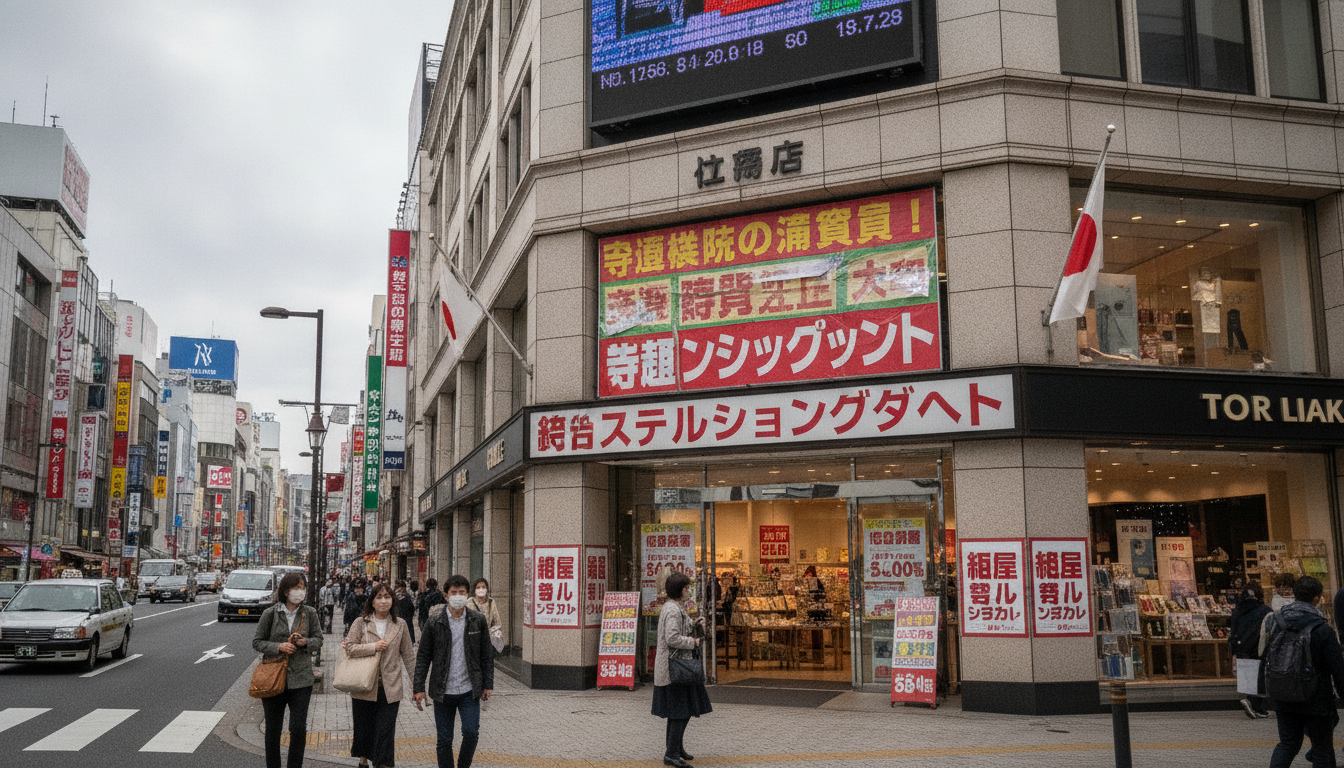
Retailers are candid that a pivot will not instantly replace the lost Chinese spend, which had been central to many seasons of growth. Yet the shift is already visible on Tokyo streets, where signage in multiple languages and new product mixes reflect a market in transition.
Longer-term, businesses say they will measure success by whether they can diversify customer bases without eroding the premium margins that Chinese visitors traditionally provided. The coming summer tourist months will be watched closely as merchants test new approaches and monitor whether visitor flows stabilise.

