
Chernobyl Liquidators Reflect on Lifelong Health Toll as 40th Anniversary Approaches
Ahead of the 40th anniversary, Chernobyl liquidators recount lifelong health struggles and disputed death tolls stemming from the 1986 reactor disaster.
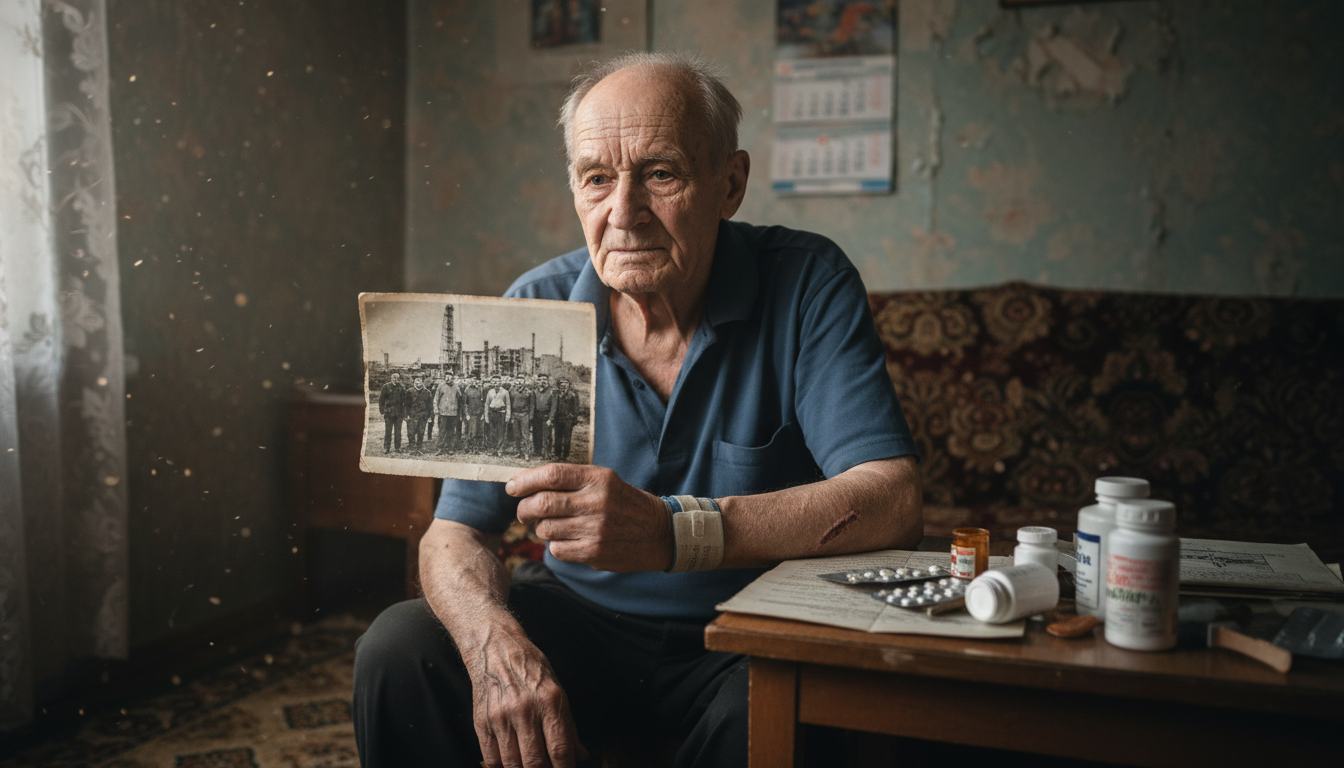
Petro Hurin, one of the thousands known as Chernobyl liquidators, says his health has never recovered since he was sent in 1986 to clear the ruined reactor site. He and many veterans still live with chronic illnesses they attribute to radiation exposure, a reality that resurfaces as April 26 marks four decades since the explosion at reactor four. The growing public attention ahead of the anniversary has renewed debate over how many people ultimately died or remain ill because of the catastrophe.
Personal Testimonies from Khutory
Petro Hurin lives in Khutory and recalls the chaos that followed the April 26, 1986, explosion at the Chernobyl nuclear plant. He describes blunt orders, inadequate protective gear, and long shifts that left many exhausted and exposed to dangerous doses of radiation. Hurin’s account echoes that of hundreds of thousands of men and women mobilized as liquidators who now report cancers, cardiovascular disease, and other chronic conditions.
Families and local clinics in affected regions report patterns of illness across generations that survivors link to their service in the cleanup. While individual medical histories vary, the consistency of symptoms among former liquidators fuels demands for more comprehensive care and clearer public records of long-term effects.
Scope and Scale of the Cleanup Effort
Following the explosion, authorities mobilized hundreds of thousands of personnel to contain the disaster, decontaminate the plant and nearby settlements, and build the sarcophagus over reactor four. Liquidators included plant workers, firefighters, military engineers, and volunteers tasked with removing radioactive debris, pumping water, and erecting barriers. The scale of the response—mass mobilization under hazardous conditions—was unprecedented in Cold War-era disaster management.
Operations continued for months and years, with rotating teams and special brigades working in highly radioactive zones. Many were exposed during tasks that required close proximity to the wreckage, and subsequent decontamination work extended the period of potential exposure for numerous participants.
Immediate Deaths and Ongoing Mortality Debate
Thirty-one plant workers and firefighters died in the immediate aftermath of the explosion, primarily from acute radiation sickness. That figure is among the most certain short-term tallies, but estimates of longer-term mortality diverge sharply. Multiple studies and reports have produced a wide range of conclusions, reflecting differing methodologies, populations studied, and the challenges of attributing illnesses to radiation decades later.
Public health experts, governments, and international agencies have published conflicting estimates of the disaster’s indirect death toll and morbidity. The debate centers on how to separate radiation-driven disease from background rates of cancer and other illnesses, and whether affected populations received consistent long-term medical surveillance.
Scientific Complexity and Attribution Challenges
Attributing later health problems directly to Chernobyl exposure is scientifically complex because cancer and many chronic diseases have multifactorial causes. Radiation dose reconstruction for individuals is often incomplete or imprecise, complicating efforts to link specific cases to exposure levels. Researchers also note the influence of age, lifestyle, socioeconomic conditions, and limited baseline health data from the Soviet era.
Epidemiologists stress that long-term cohort studies and transparent record-keeping are essential to refine estimates and guide care. Still, the passage of time and migration of populations make comprehensive follow-up difficult, and many survivors report gaps in medical monitoring and support.
Advocacy, Compensation and State Responses
Survivors and advocacy groups have pressed governments to recognize the long-term needs of liquidators, secure medical benefits, and improve pension and disability provisions. Compensation schemes and official recognition vary widely by country, leading to unequal support for people who performed similar duties. Activists argue that treatment eligibility should reflect both the nature of the work and the documented risks they faced.
State responses have evolved since the 1990s, with some reforms expanding coverage and health services for veterans of the cleanup. Nonetheless, many former liquidators say bureaucratic hurdles, documentation requirements, and restrictive eligibility rules limit access to care and financial assistance.
Memory, Accountability and the 40th Anniversary
As the 40th anniversary of the Chernobyl explosion approaches on April 26, 2026, communities and survivors are preparing commemorations that highlight both loss and resilience. The milestone has revived calls for improved medical research, full disclosure of archival records, and international cooperation on treatment and monitoring. For many liquidators, the anniversary is a moment to urge public attention and policy action rather than mere remembrance.
Commemorative events are expected to draw families, health advocates, and officials who will press for clearer accounting of the human toll and stronger commitments to survivor welfare. The anniversary is likely to renew scrutiny of how nuclear disasters are managed and how affected populations are supported long after the initial emergency fades.
Petro Hurin’s voice is one among many that underscore a persistent human consequence of the 1986 disaster: decades of health problems, contested numbers, and ongoing demand for recognition and care by those who risked their lives in the immediate cleanup.

