
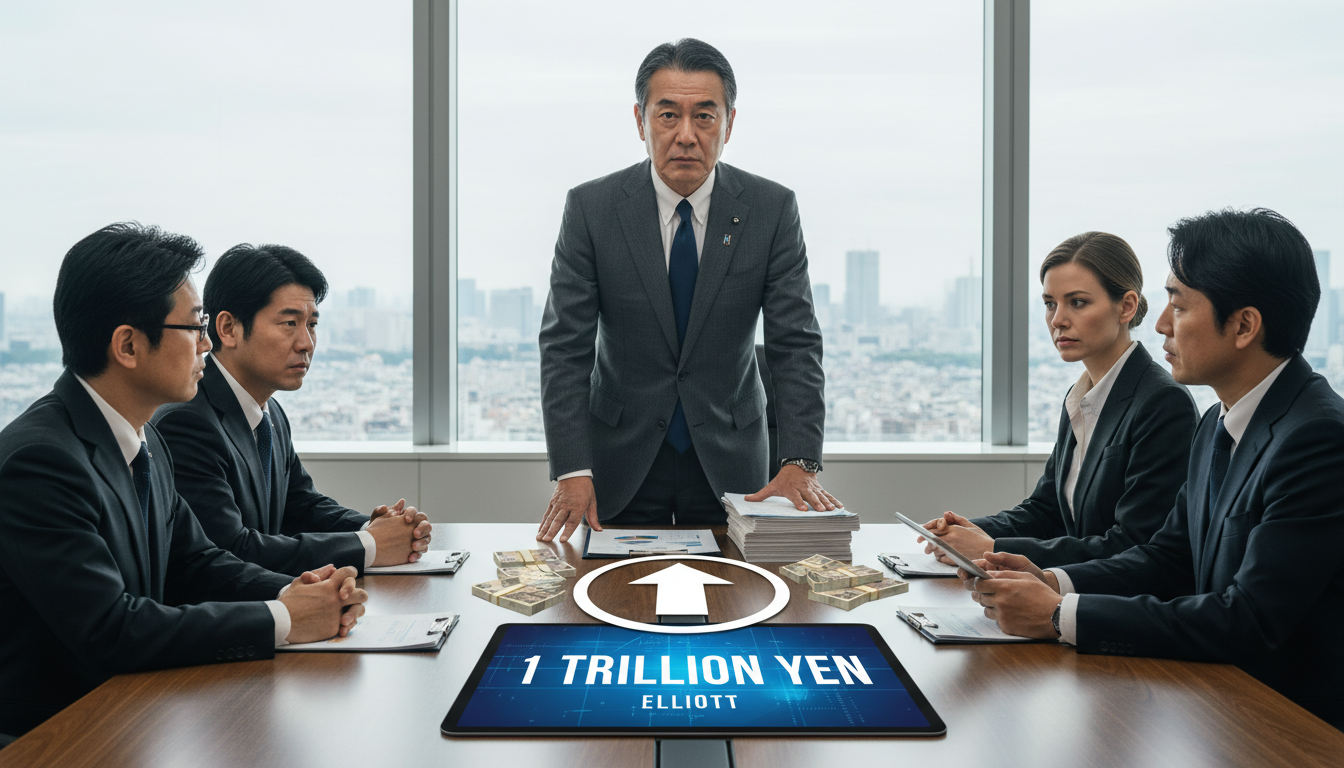
Daikin Faces Activist Push as Elliott Seeks Up to ¥1 Trillion Share Buyback
Elliott Management’s reported 3% stake in Daikin has prompted a demand for up to ¥1 trillion in share buybacks over the coming years, intensifying scrutiny of the world’s largest air-conditioner maker.
Daikin, the world’s largest air-conditioner manufacturer, is under renewed pressure after an activist investor with a roughly 3% stake urged the company to repurchase up to ¥1 trillion ($6.3 billion) of shares over the next few years. The proposal, flagged by people familiar with the matter, immediately focuses attention on shareholder returns and corporate strategy at a company long known for engineering and global scale.
Investor Proposal and Size of the Demand
The activist investor is seeking a multi-year buyback program that could total as much as ¥1 trillion, according to sources.
The scale of the demand is significant relative to typical Japanese buybacks and would represent one of the larger repurchase initiatives among major domestic manufacturers.
Stakeholding and Activist Profile
The investor holds roughly a 3% stake in Daikin, giving it enough ownership to press for changes without triggering the largest governance battles.
Activist funds typically target cash returns, strategic adjustments or governance improvements; in this case the pressure centers on returning capital through share repurchases.
Corporate Governance Context in Japan
Analysts say recent revisions and increased emphasis on Japan’s corporate governance code have made activist approaches more common and more politically plausible.
The governance push has encouraged companies to focus on shareholder returns and efficiency metrics such as return on equity, creating fertile ground for activist engagement.
Potential Financial and Market Effects
A ¥1 trillion buyback would reduce outstanding shares, potentially lifting earnings per share and supporting the stock price in the near term.
Investors often view sizable repurchases as a signal of management confidence in cash flow prospects, but buybacks can also limit funds available for reinvestment or acquisitions.
Strategic Choices for Daikin Management
Company leaders must weigh the trade-off between deploying capital for buybacks and funding long-term investments in product development, manufacturing capacity and global expansion.
Daikin has built a global leadership position in HVAC systems through years of technology investment, and any decision to divert large sums to buybacks will reflect a change in capital-allocation priorities.
Broader Implications for Japanese Corporates
If the proposal leads to a significant repurchase, it may embolden other activists to press Japan’s largest industrial groups for similar capital returns.
Such outcomes could accelerate shifts in corporate behavior across sectors as boards balance traditional long-term investment approaches with explicit shareholder-return demands.
Market participants will watch how Daikin’s board and management respond to the activist request, and whether shareholders rally behind a formal buyback plan. The company’s decision will signal not only its own capital-allocation priorities but also how legacy Japanese manufacturers navigate a landscape of heightened investor expectations.

