
EU defence plans hit by China’s export controls on critical raw materials
EU leaders say China’s export controls on critical raw materials are slowing defence projects, urging faster supply-chain diversification and industrial steps.
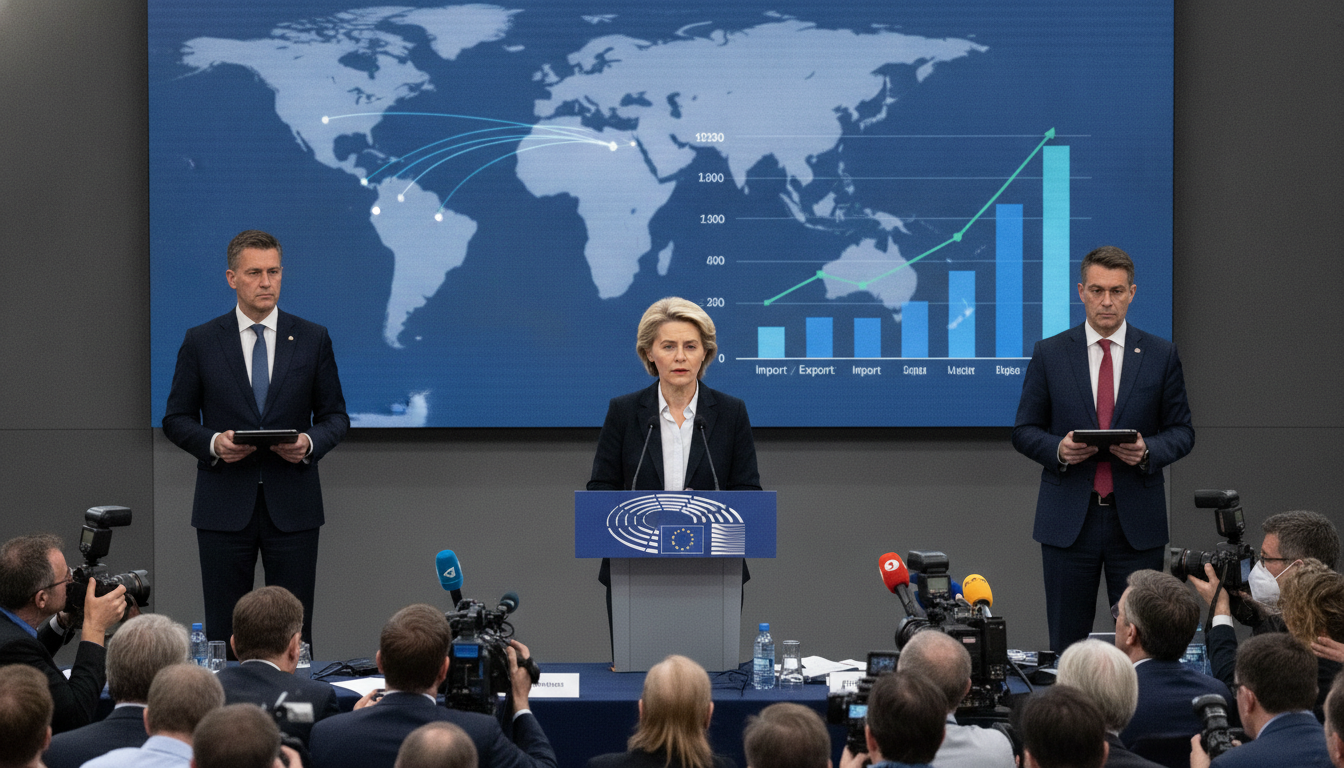
The European Union’s drive to bolster defence capabilities is being slowed by China’s export controls on critical raw materials, EU officials warned this month. Leaders at recent meetings pressed for accelerated diversification of supply chains and increased investment in domestic and allied sourcing to prevent delays in key defence programmes. The shortage of specialist inputs risks affecting projects from munitions and drones to advanced electronics used across the bloc’s military procurement.
EU leaders press for immediate supply‑chain action
EU heads of state and defence ministers have signalled urgency in response to constrained access to essential inputs. They called on member states to coordinate procurement, fund strategic stockpiles and support alternative suppliers to reduce dependence on single sources. Officials said a mix of short‑term mitigation and longer‑term industrial policy will be needed to keep planned programmes on schedule.
Brussels officials note that policy measures must balance economic ties with China and security imperatives. The European Commission is exploring a combination of export controls reciprocity, investment screening and targeted subsidies to spur domestic capacity. Negotiations will seek to align national measures to avoid fragmentation of the single market while strengthening defence readiness.
Shortages of strategic minerals and components affecting projects
Defence contractors and procurement agencies report immediate difficulties sourcing materials such as rare earth elements, high‑purity metals and specialised semiconductor inputs. These components are critical for guidance systems, sensors, and power-dense electronics used in modern weaponry and surveillance platforms. Delays in component delivery threaten timelines for new vehicle and drone programmes being accelerated across the EU.
Industry sources describe a cascading effect: shortages in feedstock push up component prices, which in turn complicate budgeting for national defence projects. Small and medium‑sized suppliers, already operating on thin margins, are most exposed and may be forced to scale back production if uncertainties persist. The result, officials warn, could be slower rollouts of newly commissioned equipment and higher overall programme costs.
China frames controls as national security and supply management
Beijing has defended tighter export rules as protective measures aimed at safeguarding national security and managing scarce resources, state communications indicate. Chinese policy documents and officials have emphasised strategic priorities for domestic industries, including the prioritisation of downstream manufacturing needs. These decisions have global implications given China’s dominant position in several mineral and material markets.
Analysts say China’s controls are part of a broader trend of governments seeking greater control over strategic inputs after pandemic-era disruptions. While Beijing maintains that its export regime is lawful and within WTO commitments, the effect on international supply chains is prompting trading partners to reassess sourcing strategies. Diplomacy is likely to feature in coming months as the EU balances trade relations with security concerns.
European industry response and reshoring efforts
Major European defence firms have begun contingency planning to cope with restricted supplies, including supplier diversification and material substitution where technically feasible. German group Rheinmetall, for example, has showcased new loitering munitions at a Berlin trade show and is repurposing plants previously dedicated to automotive parts toward weapons manufacturing. Such moves illustrate how defence firms are adjusting production lines to meet procurement demands.
Governments are also offering incentives to encourage reshoring and build regional supply clusters for critical inputs. Support measures under consideration include tax credits, direct grants for capacity upgrades, and coordinated demand commitments from multiple states to make investments commercially viable. These steps aim to reduce vulnerability to external chokepoints without abandoning open markets.
Procurement timelines and Nato interoperability concerns
Delays driven by material constraints carry implications beyond individual projects, touching on alliance interoperability and readiness targets. Several NATO members within the EU have tied defence spending increases to concrete procurement plans that depend on steady supplies of specialised components. Any sustained disruption could complicate burden‑sharing agreements and delay capabilities meant to be available to the alliance.
Procurement officials stress the need for transparent timelines and contingency clauses in contracts to manage supplier risk. They also advocate for pooled procurement initiatives that would allow smaller member states to access supplies through collective purchasing, thereby strengthening bargaining power and ensuring continuity of supply for critical projects.
The EU’s response will combine diplomatic engagement with China, accelerated diversification of import sources, and targeted industrial policies to expand regional production of strategic materials. Short‑term relief measures aim to stabilise existing programmes, while medium‑term investments seek to reduce structural dependencies. Industry and government leaders say coordinated action across capitals is essential to prevent further slippage in defence schedules.
As Europe’s leaders push for quicker supply‑chain diversification and increased industrial capacity, the coming months will test the bloc’s ability to translate policy intentions into production realities that sustain both national and collective defence ambitions.

