
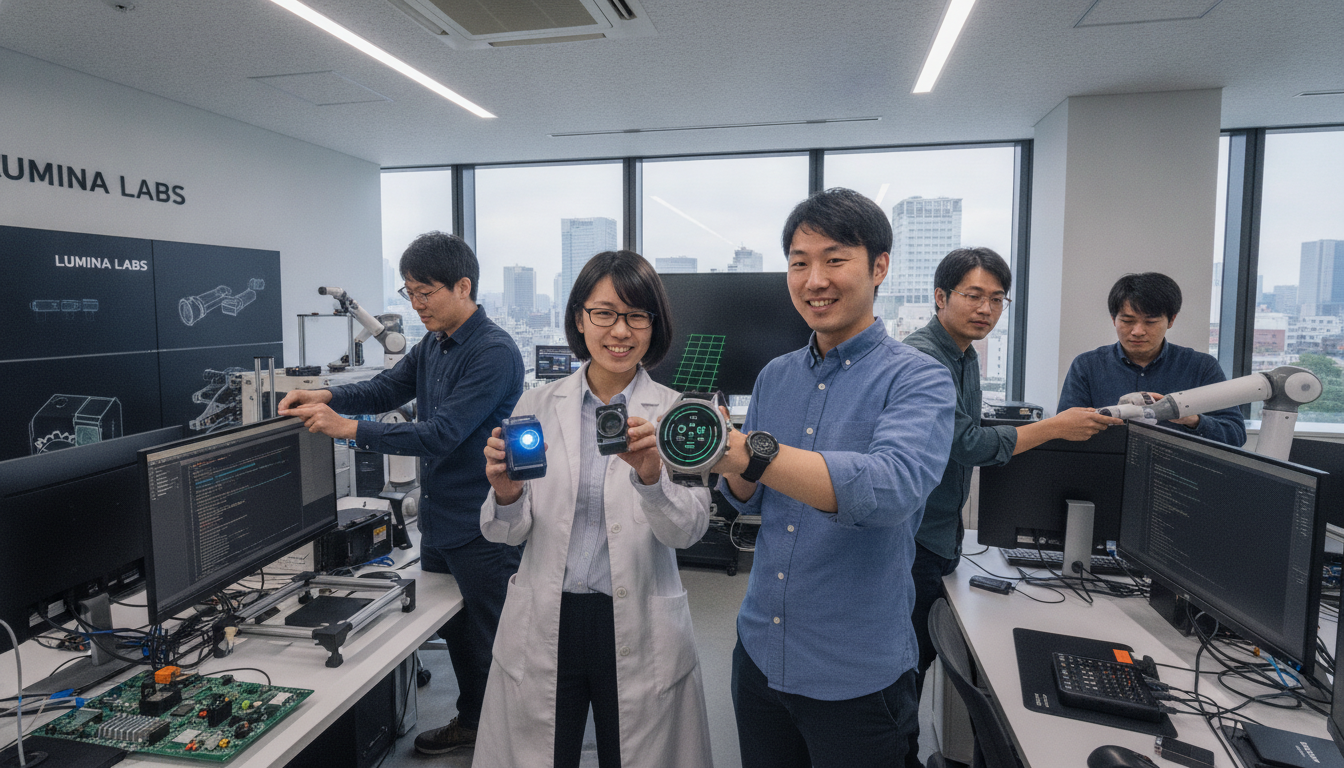
Former Sony engineers launch startups to revive Sony discontinued technology
Former Sony engineers have formed startups to continue work on Sony discontinued technology such as the Wena smartwatch and a chip-scale laser, pursuing commercial products and new markets after the parent company halted internal development. The moves signal an emerging trend in Japan’s hardware ecosystem where spin-outs and small teams seek to turn shelved corporate projects into viable businesses. Investors and industry observers say the initiatives test whether niche consumer and component technologies can find traction outside a global conglomerate’s shifting priorities.
Former Sony Engineers Form Startups
Several small teams composed of ex-Sony engineers have spun out to carry forward projects that Sony wound down in recent years. These founders typically retain deep technical know-how and institutional familiarity with the abandoned platforms, allowing them to refine product designs more rapidly than a greenfield startup. Many say their goal is pragmatic: salvage engineering work and intellectual property, adapt it for narrower markets, and move from prototype to repeatable manufacturing. The effort reflects a broader pattern of talent migration from large electronics firms into focused, founder-led ventures.
Wena Smartwatch Development Continues
One of the best-known examples is the Wena smartwatch series, initially developed within Sony before the company discontinued active development. Startup teams that include former Sony staff are reworking the Wena concept to emphasize modularity, battery life and integration with third-party health and payment ecosystems. Their strategy is to target niche buyers who value discrete watch faces with connected bands, rather than mass-market smartwatch customers dominated by large platforms. If successful, these focused products could carve sustainable revenue streams that were unattractive to Sony’s broader consumer electronics roadmap.
Chip-Scale Laser Efforts Advance
Another technical thread now being pursued outside Sony is the miniaturized or chip-scale laser technology the company previously explored. Engineers who led the original R&D are seeking to adapt the laser’s small footprint for industrial sensing, medical devices and next-generation optical communications modules. Continued development focuses on cost reduction, thermal management and packaging for conventional supply chains. Market applications that accept higher unit prices for precision or size may be the quickest path to commercialization for this kind of component-level innovation.
Investor Interest and Funding Paths
Venture capital and corporate investors have shown selective interest in these spin-outs, attracted by experienced teams and partially de-risked technologies. Funding rounds tend to be modest at first, aimed at prototype validation, IP consolidation and small-batch manufacturing trials rather than broad retail rollouts. Strategic investors from manufacturing, healthcare or payment services sometimes join to help open distribution channels. Observers caution that investor appetite will hinge on demonstrable product-market fit and a clear route to recurring revenue.
Manufacturing and Supply Chain Challenges
Transitioning from Sony’s internal development to independent production presents non-trivial manufacturing and supply-chain hurdles for the startups. Securing component suppliers, qualifying contract manufacturers and scaling quality control require capital and operational expertise rarely consolidated in a single small team. Startups must also contend with longer procurement cycles for specialized parts and shifting dynamics in Asian electronics factories. Many founders are therefore pursuing phased commercialization: small-volume orders for industrial partners while refining designs for consumer-scale manufacturing.
Implications for Sony and the Wider Industry
Sony’s decision to discontinue select projects has freed engineering talent to pursue narrower, sometimes more commercially viable approaches to those same technologies. The development highlights how corporate portfolio pruning can create opportunities for entrepreneurial recycling of ideas. For Sony, the outcome is double-edged: the company offloads near-term costs but may see useful technologies matured externally and, in some cases, reabsorbed through partnerships or acquisitions. For Japan’s hardware ecosystem, these spin-outs could help sustain specialist skills and supply-chain relationships that otherwise risk erosion.
The startups now attempting to commercialize Sony discontinued technology face a testing period in which product refinement, partner deals and early customer wins will determine viability. Success will likely come from disciplined cost control, careful selection of initial markets and pragmatic engineering rather than ambitious feature lists. Observers expect a mix of outcomes: a few ventures converting niche expertise into steady businesses, others getting acquired, and some failing as market realities expose limits of scale. The short-term results will offer lessons about how large corporations and entrepreneurial teams can better coordinate the lifecycle of advanced hardware innovation.

