
Japan faces garbage bag shortage as naphtha worries trigger panic buying and local rule changes
Garbage bag shortage in Japan sparks supermarket sellouts and temporary rule changes as municipalities allow alternative bags amid naphtha supply concerns.
Concerns over naphtha supply disruptions have prompted a nation-wide surge in purchases of municipality-designated garbage bags, producing localized sellouts and emergency measures by city governments. Retailers in multiple prefectures reported sharp increases in weekly sales, while some municipalities temporarily permitted the use of transparent or semi-transparent alternative bags to prevent waste-disposal disruptions. Officials urged calm and urged residents not to hoard supplies.
Supermarkets report sellouts in Shizuoka
A supermarket in Suruga Ward, Shizuoka, displayed empty shelves where designated garbage bags are normally stocked, with staff posting notices apologizing to customers. One local chain said weekly sales of the official bags have risen 50–80% compared with the same period last year, forcing limits at some stores.
At Food Market Mom’s Magarikane outlet, management imposed a two-per-family purchase cap but still struggled to meet demand, according to a company spokesperson. Shoppers told reporters they worry about daily needs if shortages persist, highlighting how essential the bags are to household routines.
Municipalities permit alternative bags for now
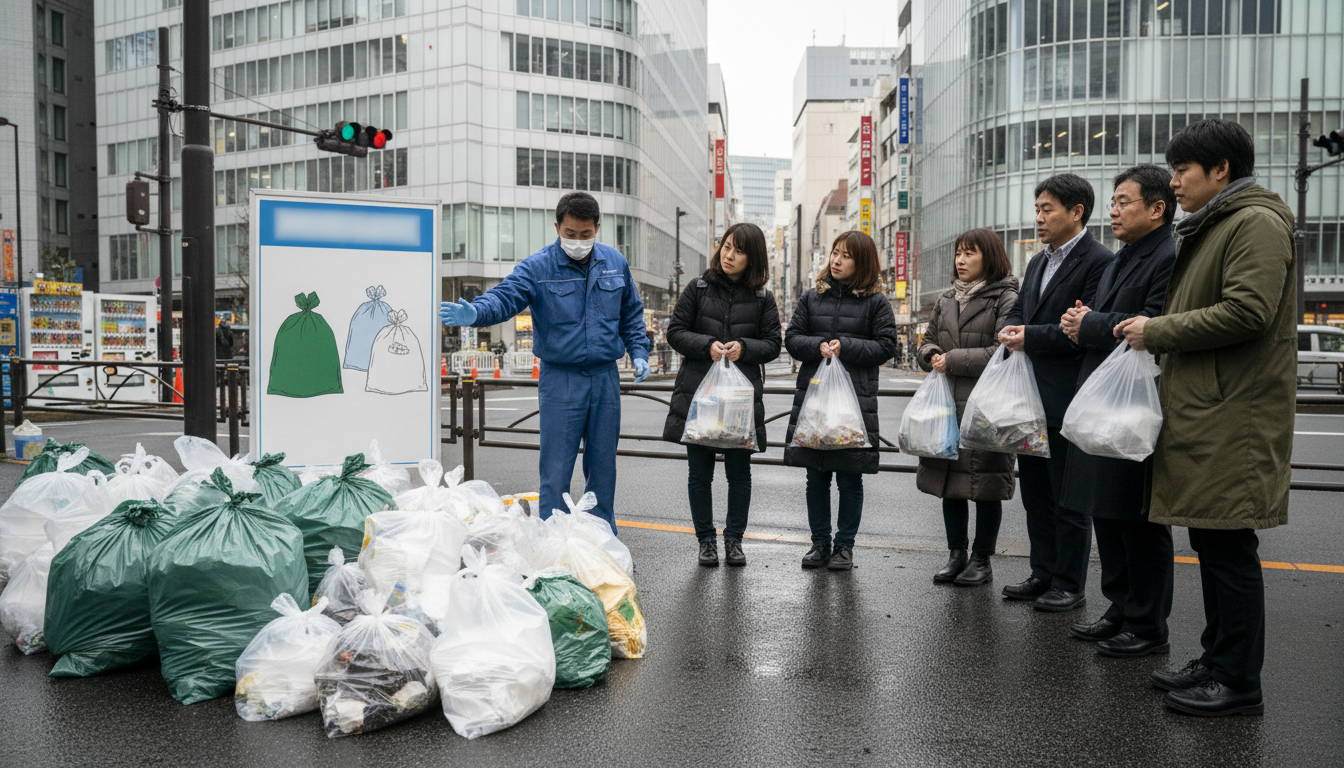
Faced with dwindling stocks, several municipal governments have relaxed disposal rules to prevent collection interruptions. Shizuoka city announced residents may temporarily use transparent or semi-transparent bags in place of designated municipal bags, while Isesaki city in Gunma permitted other bags for combustible waste beginning May 11.
Local officials emphasized these measures are exceptional and intended to maintain basic waste collection services while manufacturers and suppliers address the supply chain issues. The designated bags were originally introduced to support accurate sorting and boost recycling rates, priorities that municipalities continue to stress.
Panic buying fuels demand surge
City authorities and store managers said panic buying, driven by reports of a potential naphtha shortfall tied to tensions in the Middle East, appears to be the main driver of the spike in purchases. In Isesaki, sales of designated bags roughly doubled from mid-April levels, and cities logged numerous inquiries from residents unable to locate the bags in nearby shops.
A municipal official noted that many households seemed to have bought extra packs after seeing media coverage of the raw-material risks, potentially undermining waste-sorting practices in the short term. Officials cautioned that hoarding could create artificial shortages even if overall production capacity remains sufficient.
Obu city shifts to recycled domestic materials
In Aichi Prefecture, Obu city moved to change the specifications of its approved garbage bags after a supplier notified the municipality in mid-March that supplies could be disrupted from July. The city decided to adopt bags made primarily from recycled domestic packaging film to reduce reliance on imported naphtha-derived raw materials.
Officials in Obu said the new bags should offer a steadier supply because they tap into domestic recycling streams, and the transition will proceed gradually as existing stock is used up. The switch reflects a growing interest among local governments in alternative materials and supply-chain resilience.
Manufacturers report procurement plans but some delays persist
The Environment Ministry surveyed 28 manufacturers and trading firms between May 11 and 13 that account for more than 90% of domestic garbage-bag supply, and those companies told the ministry they expect to meet the usual annual volume. Firms said they are seeking raw materials from sources outside the Middle East to stabilize procurement.
Despite those assurances, shipment volumes in April rose by 10% to 100% year-on-year at many outlets, indicating elevated wholesaler and retailer activity. Not all supply lines are smooth; one city, Ryugasaki in Ibaraki Prefecture, was informed by its bag maker that procurement delays could cause missed deliveries, underscoring uneven risk across suppliers.
Government urges restrained consumption and industry action
At a recent press briefing following a Cabinet meeting, Environment Minister Hirotaka Ishihara appealed to the public to practice sensible consumption and avoid buying more than necessary. He said the ministry will coordinate with the Economy, Trade and Industry Ministry and work with businesses to identify and resolve any logistics or procurement bottlenecks.
The central government has also collected information from municipalities and suppliers to monitor the situation, noting that roughly 20 local governments have already put alternative measures in place based on confirmed reports. Authorities emphasized that maintaining waste-collection services and recycling practices remains a priority while supply adjustments are implemented.
Local officials and retailers said the immediate outlook depends on consumer behavior over the coming weeks and the speed with which manufacturers can diversify raw-material sources. While some areas report only temporary tightness, isolated procurement setbacks suggest the situation could remain uneven unless hoarding subsides and supply lines adapt.
The public is being asked to check municipal guidance before using non-designated bags, and municipalities plan to provide updates as they transition materials or lift temporary exemptions. Continuous communication among cities, suppliers and ministries will be central to preventing further disruption to household waste collection.

