
Indonesia export controls: Prabowo orders state firm to manage palm oil, coal and minerals
Indonesia export controls prompt market jitters as President Prabowo creates a state-owned enterprise to manage palm oil, coal and key minerals, triggering industry concern and stock declines.
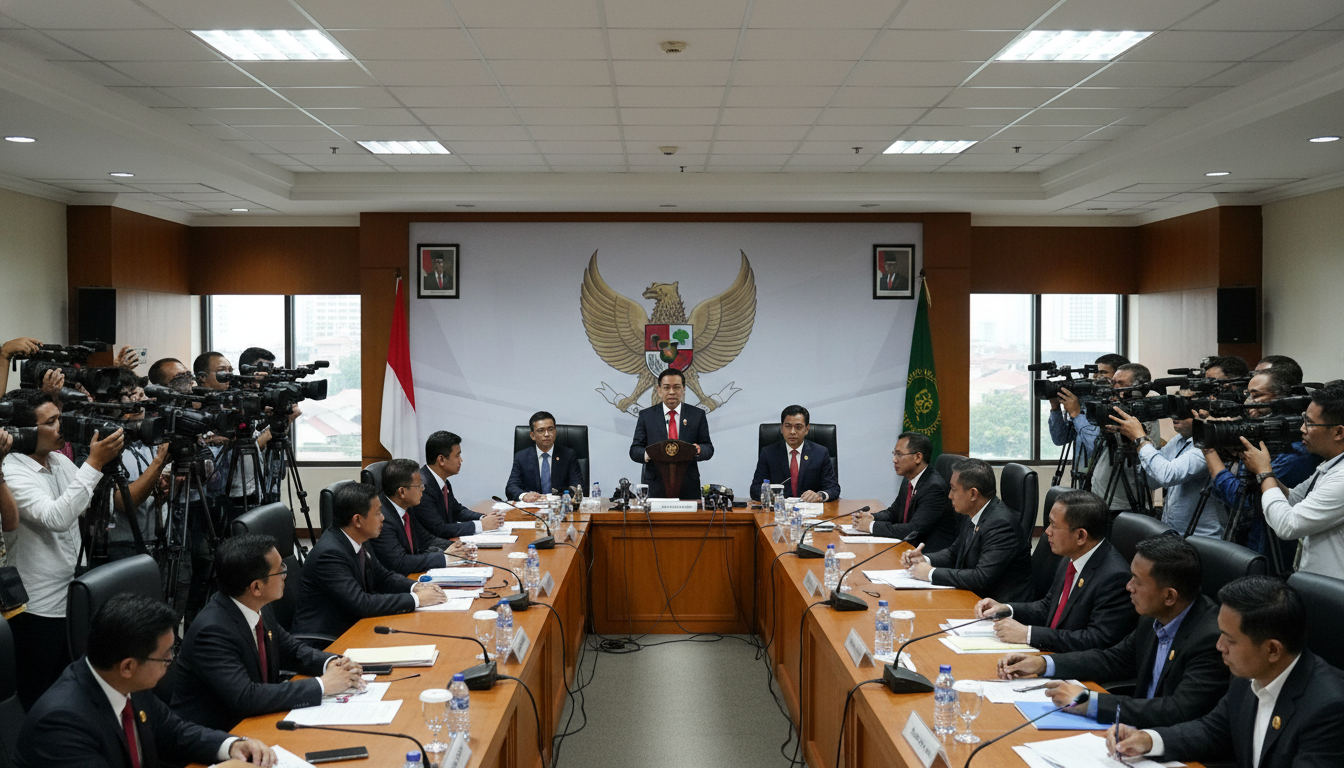
JAKARTA — President Prabowo Subianto on May 20, 2026 announced the creation of a state-owned enterprise that will assume control over exports of several strategic commodities, including palm oil, coal and key minerals, pushing Indonesia export controls to the forefront of business and market discussions. The move, described by the presidential office as meant to secure domestic supply chains and increase state oversight, prompted immediate complaints from exporters and a fall in commodity producer shares on domestic markets.
Prabowo orders new state company to oversee exports
The presidential announcement said the new state-owned enterprise will centralize export licensing and sales for designated commodities, replacing or supervising existing private exporters. Government officials framed the change as a tool to stabilise domestic availability and capture more value from raw-material sales.
The particulars of governance, funding and operational timelines were left vague in the initial statement, leaving investors and industry observers to assess implications based on the scope of the authority described. Market participants noted that the creation of a dominant state buyer or licenser can alter price formation and contractual relationships with longstanding foreign and domestic customers.
Markets react: commodity stocks retreat
Shares of commodity producers fell on May 20 as traders reassessed revenue and export risk under tighter state control. Market volatility was most pronounced among palm oil and mining-related firms, where investors factored in potential disruptions to established sales channels and delays in shipments.
Analysts said the immediate sell-off reflected uncertainty rather than a calibrated view of long-term policy outcomes, but cautioned that the degree of state intervention will determine whether price dislocations are short-lived or structural. Trading desks reported increased demand for hedging instruments as buyers and sellers sought to limit exposure to unexpected export interruptions.
Industry groups and exporters voice alarm
Trade associations representing palm oil producers, coal miners and mineral exporters voiced sharp concerns, warning that abrupt supply-side interventions would hurt contracts, employment and investment plans. Representatives argued the policy could breach existing export agreements and complicate logistics already strained by global demand shifts.
Exporters emphasised the need for clear transitional rules, compensation mechanisms and timelines so that supply contracts can be honoured or renegotiated in an orderly way. Several firms privately signalled they would seek meetings with government officials to press for safeguards and phased implementation.
Commodities targeted and domestic aims
The government identified palm oil, thermal coal and “key minerals” as priority targets for the new export regime, citing national food security and industrial policy objectives. Indonesia is a major global supplier in these markets, and any change to exporter access is likely to reverberate through regional supply chains.
Officials said the measure is intended to encourage domestic processing and capture more value within Indonesia rather than exporting raw commodities. Observers noted that achieving such industrial goals typically requires clear incentives, infrastructure investment and predictable regulatory frameworks — elements not detailed in the initial decree.
Potential international and trade fallout
Major buyers in Asia and beyond, which rely on Indonesian palm oil, coal and mineral shipments, will monitor implementation closely to avoid sudden supply shortfalls. Trade partners could press for consultations if contractual performance deteriorates or if export curbs are applied without advance notice.
Investors also flagged potential legal and diplomatic channels that buyers or trading partners might pursue if commercial terms are altered retroactively. Export controls implemented through a state-owned intermediary can be lawful under domestic statutes, but the absence of transparent rules heightens the risk of disputes and disrupted deliveries.
Regulatory steps and next policy signals
The administration said further implementing regulations and the legal framework for the new entity would follow, but provided no firm timetable for when the firm will begin licensing exports or taking ownership stakes. Market participants and trade groups urged prompt publication of operational guidelines and a phased approach that preserves contractual certainty.
Observers expect industry consultations and technical committees to be convened, but said clarity will be decisive for market sentiment. The timing of regulatory roll-out will shape whether the policy is absorbed smoothly or triggers prolonged market adjustments.
The announcement prompted scenes of unease in commodity-producing regions, where workers and local economies depend on steady export activity. As Jakarta prepares follow-up rules, exporters, buyers and investors are now scrambling to understand how Indonesia export controls will be applied in practice and what that will mean for supply chains, contracts and long-term investment decisions.

