
Beirut airstrikes kill about 100 as residential districts hit in “Black Wednesday” attacks
April 8, 2026: Israeli airstrikes struck central Beirut, killing roughly 100 and striking neighborhoods previously spared, raising alarm over civilian safety.
The Beirut airstrikes on April 8, 2026, devastated central districts of Lebanon’s capital just hours after the United States and Iran reached a tentative ceasefire in their wider confrontation. Residents and rescue teams say more than a hundred people were killed in concentrated raids that targeted densely populated neighborhoods. The scale and selection of targets has prompted questions about Israel’s tactical aims and has deepened fears of a broader humanitarian crisis in Lebanon.
Large-scale strikes struck central Beirut within ten minutes
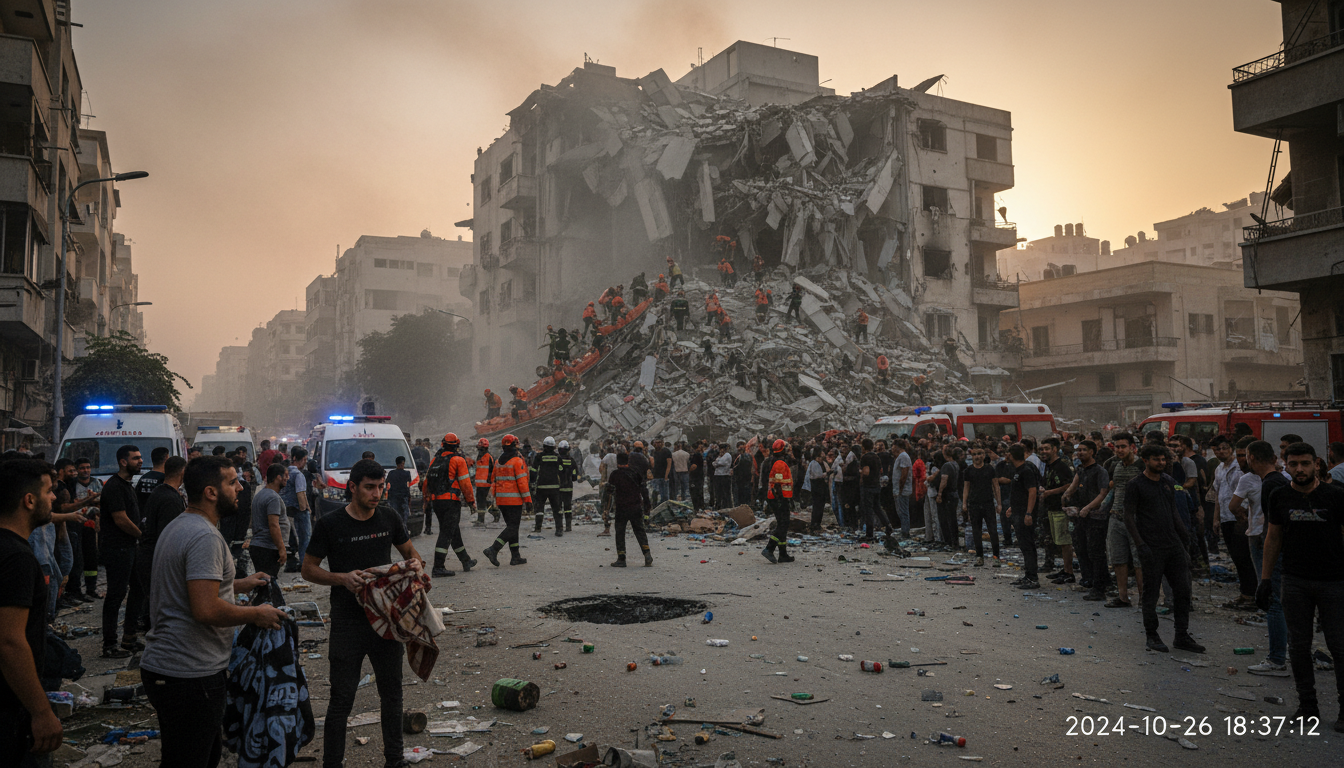
Local authorities and witnesses reported that the raids unfolded in a rapid, concentrated wave lasting roughly ten minutes and striking scores of targets across central Beirut. Emergency services said explosions collapsed apartment buildings and set fires that hampered search-and-rescue efforts. The intensity and speed of the strikes left many residents with little time to flee and overwhelmed hospitals already treating casualties from earlier clashes.
Photographs and video circulating from the scene show rubble-strewn streets, shattered storefronts and firefighters scrambling to extract survivors. Officials have described the morning as one of the deadliest single days in central Beirut in recent years, with casualty counts rising as rescue crews comb through damaged structures.
Ain Mreisse and other previously untouched neighborhoods damaged
Several districts that had not been regular targets in earlier phases of the conflict were hit, including the coastal Ain Mreisse neighborhood known for its residential blocks and cafés. Longstanding assumptions that some central areas were off-limits to direct strikes were shattered as missiles and guided munitions struck apartment towers and side streets. Residents said whole families were trapped when building facades and stairwells were destroyed.
The choice of these neighborhoods has added to local outrage, with community leaders calling the attacks disproportionate and pointing to the civilian character of the areas struck. International aid organizations and humanitarian monitors have warned that damage to infrastructure and displacement will complicate relief access in the coming days.
Eyewitness account: family lunch interrupted by incoming missiles
One resident, identified as Hussein Khalil, said he was having lunch with his family on the seventh floor of a coastal apartment building when he saw objects streak across the sky and heard a sequence of explosions. He described a sudden blast that shook the building and sent debris into the street, followed by the chaotic arrival of neighbors seeking shelter and relatives searching for the missing. Local medics and volunteers at the scene recounted carrying people from crushed cars and breaking through concrete to reach survivors.
Accounts from the ground underline how the speed and concentration of the bombardment left little time to react, and how rescue efforts were repeatedly interrupted by secondary blasts. Hospitals reported receiving large numbers of wounded, many suffering from shrapnel and blast injuries, stretching emergency capacity and supplies.
Military intent and psychological warfare concerns
Analysts and some Beirut residents say the pattern of strikes suggests an intent to degrade not only military capabilities but also morale by demonstrating reach into previously safe civilian areas. Officials cautious of public attribution note that targeting dense urban districts can produce significant civilian casualties even when aimed at specific facilities, raising questions about proportionality. The timing—coinciding with diplomatic activity between major regional powers—has prompted speculation that the strikes were intended to send a political signal as well as inflict tactical damage.
Military spokespeople from the parties involved have offered limited public comment on target selection, while independent observers stress the need for transparent investigations into whether international humanitarian law was observed. The use of rapid-fire strikes in urban settings risks eroding established lines between combatants and non-combatants, according to legal and security experts.
Humanitarian response, displacement and diplomatic ripples
Humanitarian agencies and local charities mobilized to provide emergency shelter, medical aid and food to those displaced by the bombing, but access challenges and security concerns are complicating deliveries. Streets blocked by rubble, power outages and damage to water systems have left thousands in urgent need of basic services. Aid coordinators warned that colder nights, medical shortages and limited safe corridors for movement could exacerbate suffering in the coming week.
Diplomatically, the strikes have reverberated across the region, with calls for restraint from international actors and renewed pressure on mediators to secure and monitor ceasefire commitments. Lebanon’s government has issued formal protests and appealed for international support to protect civilians, while political leaders across the spectrum expressed anger and grief over the loss of life.
Reports from local officials indicate that investigations into the strikes are being opened and that casualty figures remain provisional as teams continue to recover bodies and account for missing persons. The scale of damage to housing and services, and the concentrated nature of the attacks, will likely complicate reconstruction efforts and heighten political tensions at home and abroad.
More than a week after the raids, families in Beirut remain in search of relatives and shelter, and hospitals continue to treat a steady flow of injured people. The strikes on April 8 have left a deep imprint on the capital, reviving fears that civilian neighborhoods can become battlegrounds overnight and underscoring the fragile prospects for a durable de-escalation in the wider regional conflict.

