
Japan Weighs Sending Minesweepers to the Strait of Hormuz
Japan is studying sending minesweepers to the Strait of Hormuz after a U.S. request, weighing legal limits, operational uncertainties and diplomatic risks.
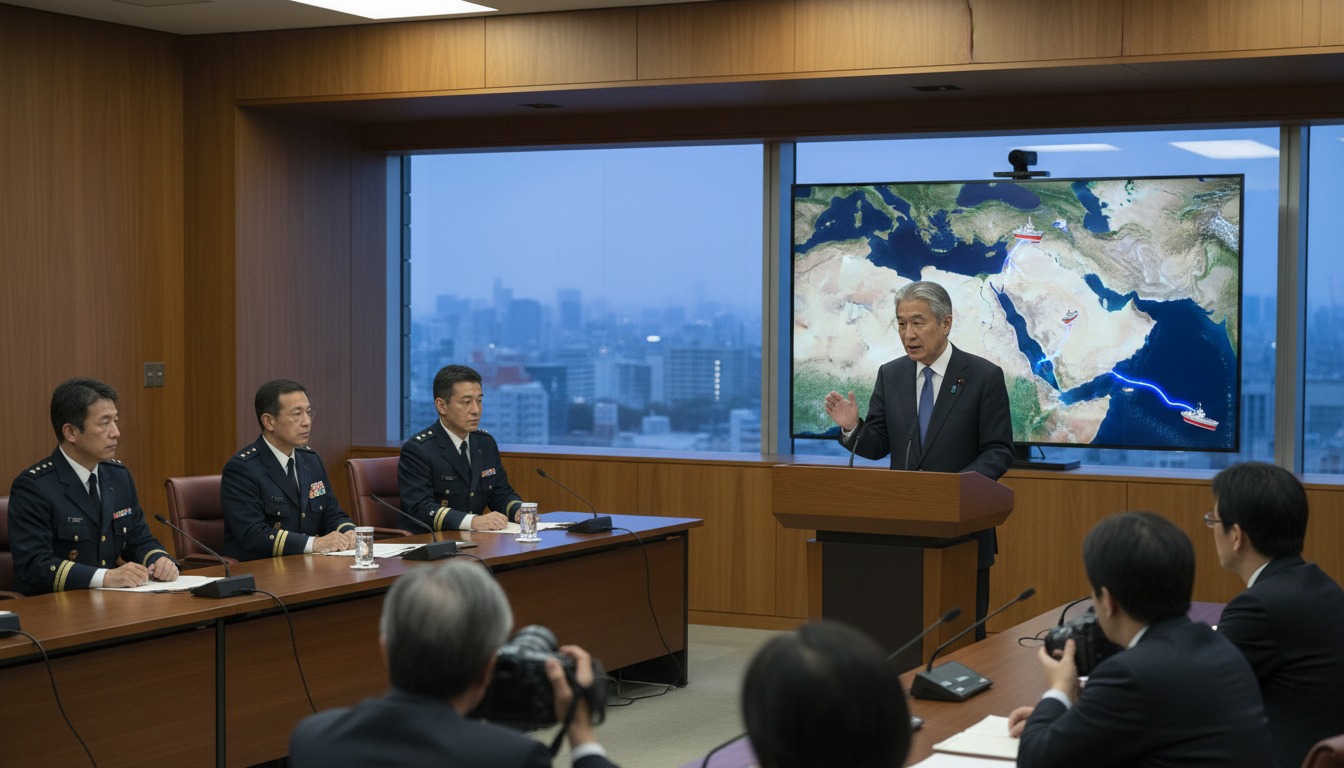
Japan’s government and ruling parties have launched a detailed review of the feasibility of deploying Maritime Self-Defense Force minesweepers to the Strait of Hormuz, officials said, responding to a request from U.S. leaders to help secure a key oil shipping corridor. The proposal, endorsed in recommendations from the ruling Liberal Democratic Party’s Policy Research Council, was presented this week to Prime Minister Sanae Takaichi as one option to protect Japan’s national interests within legal boundaries. Government sources stressed that any decision would hinge on legal, operational and diplomatic conditions, including the cessation of active hostilities.
Party Recommendation Presented to Prime Minister
The LDP’s Policy Research Council chair delivered the party’s formal recommendations urging the government to consider minesweeper deployment once combat operations conclude. Party officials framed the measure as a practical contribution to safe navigation that must adhere to Japan’s constitutional and statutory limits on the use of force. Prime Minister Takaichi told lawmakers her administration shares concerns about safeguarding daily life and is committed to examining options that fit within Japan’s legal framework.
Legal Framework and Historical Precedent
Under Japan’s Self-Defense Forces law, MSDF vessels have authority to clear naval mines left in the wake of hostilities, a mission Tokyo has performed before. In 1991, Japanese minesweepers operated in the Persian Gulf to help reopen shipping lanes after the Gulf War, providing a precedent for non-combat mine-clearing operations abroad. Legal advisers and ruling-party lawmakers emphasize that any new deployment would require a clear post-conflict mandate and careful legal review to ensure compliance with domestic statutes and international obligations.
Operational and Intelligence Hurdles
Defense officials caution that practical challenges complicate an immediate minesweeper dispatch, beginning with a lack of reliable information on the locations and types of naval mines in the strait. The Defense Ministry has stressed that without precise intelligence on minefields and ordnance types, minesweeper units cannot plan safe and effective operations. Military planners also noted logistical demands—escort vessels, aerial reconnaissance, communications support and coordination with coalition partners would be needed to mitigate risks to crews and civilian shipping.
Diplomatic Signals and Alliance Coordination
Tokyo’s deliberations come after high-level consultations with Washington, where Japanese leaders were asked to contribute to securing a vital transit route for crude oil and trade. Government sources said it is important to demonstrate a willingness to contribute to regional security, but that such contributions must be coordinated with the United States and other partners to avoid missteps. Officials further indicated Japan would seek clear rules of engagement, guarantees of international legal cover and close consultation with allies before committing forces to the area.
Uncertainty in Regional Compliance and Timing
Officials and party leaders pointed to uncertainty over whether Iranian forces would observe any peace accords or ceasefire arrangements, complicating the timing of a potential minesweeper mission. That uncertainty, combined with the absence of identified minefields, leads Tokyo to favour a conditional approach—deploy once hostilities have definitively ended and a safe operating picture is established. Lawmakers who supported the recommendation said the step should be framed as humanitarian and navigational assistance rather than a combat role.
Political Debate and Domestic Reassurances
Within Tokyo, ruling-party figures emphasized the action’s connection to protecting the Japanese public’s economic and energy security, while also promising rigorous legal work and parliamentary scrutiny. Opposition voices and legal analysts are expected to press for public explanations about risk assessments, mission scope and the measures that would protect service members. The government has signalled it will continue consultations with the Diet and with defense and foreign policy advisers before making any commitment.
The government faces a complex decision that balances Japan’s alliance responsibilities, legal constraints and the operational realities of mine clearance in contested waters. Officials say further study will focus on intelligence gathering, multinational coordination and legal assessments, with any deployment contingent on clear conditions on the ground. Ultimately, Tokyo must weigh the strategic benefits of contributing minesweeping capability against the risks to personnel and the diplomatic consequences of action in a volatile maritime corridor.

