
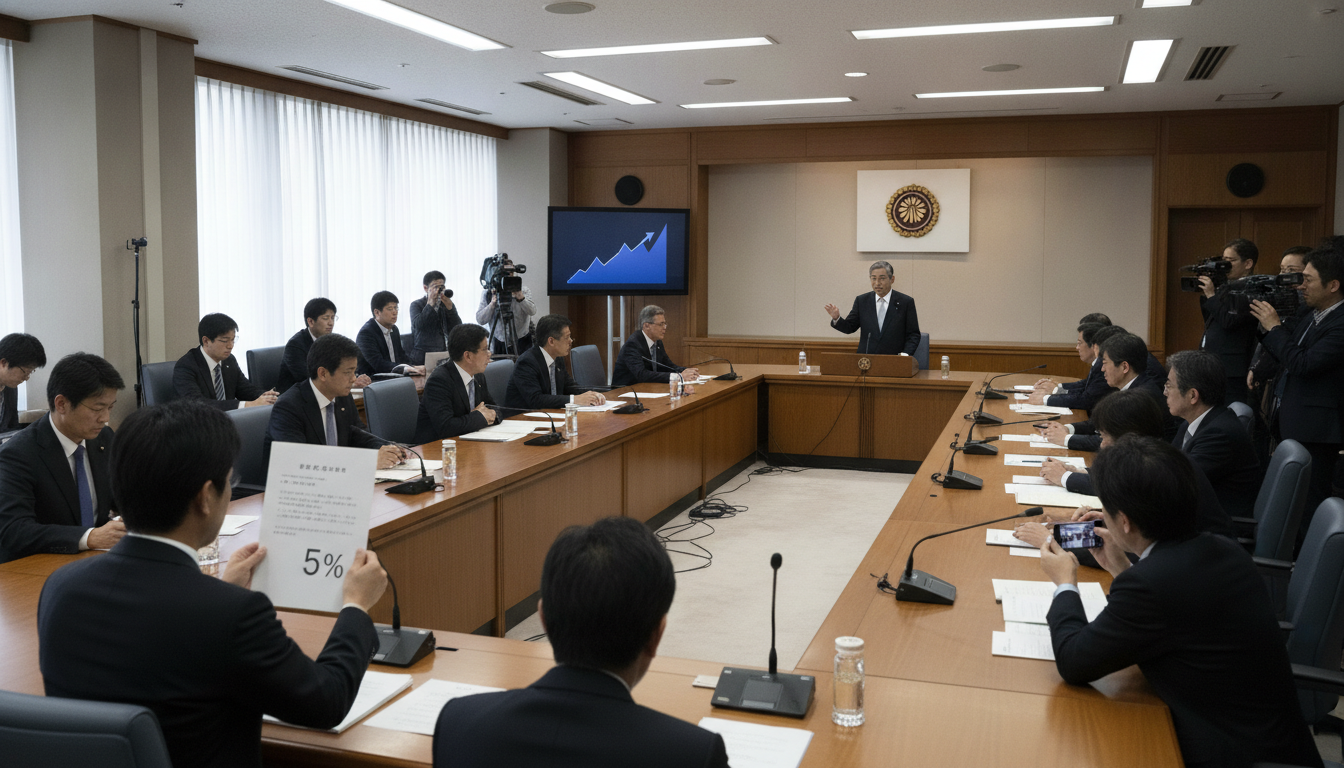
Japan Proposes 5% Threshold for Extraordinary Shareholder Meetings to Curb Activist Investors
Japan’s government and ruling LDP propose a 5% threshold for extraordinary shareholder meetings to limit activist investors and reshape corporate governance.
Japan’s government and the ruling Liberal Democratic Party are preparing a proposal to require shareholders to hold at least 5% of voting rights before they can request extraordinary shareholder meetings. The 5% threshold for extraordinary shareholder meetings is being advanced as a measure to reduce frequent or disruptive calls by activist investors while preserving institutional oversight. Officials say the move is intended to strike a balance between protecting companies from excessive short-term pressure and maintaining channels for shareholder accountability.
Details of the proposed threshold
The draft proposal would oblige shareholders in listed Japanese companies to reach a minimum 5% ownership stake of voting rights before filing for a special meeting. Under the plan, shareholders holding smaller stakes would be unable to force a meeting, a mechanism officials argue will curb coordinated moves by outside activists that prompt repeated board contests. The measure is being considered alongside other corporate governance adjustments aimed at clarifying the process for shareholder actions.
Government and LDP rationale
Cabinet and ruling party officials frame the change as a response to a rise in activism that, they say, can sometimes prioritize short-term gains over long-term corporate health. Proponents argue that a 5% threshold will deter frivolous or narrowly focused campaigns while still enabling serious, broad-based shareholder interventions. Supporters in government also contend the measure will help protect companies’ strategic planning and capital investment decisions from sudden external pressure.
Market and investor reactions expected
Market participants and investor groups are divided in expectation of the rule’s consequences, with some analysts warning it may chill legitimate shareholder engagement. Institutional investors and pension funds, who often rely on engagement rather than meetings, may be less affected, while activist firms could see a higher barrier to mounting formal challenges. Corporate management teams and some boards are likely to welcome the change for reducing unexpected governance disruptions and the administrative burden of frequent special meetings.
Corporate governance implications
Critics of the proposal caution that raising the filing threshold risks entrenching management and weakening minority shareholders’ ability to hold boards to account. Legal and governance specialists note that shareholder meetings are a central mechanism for oversight and that raising barriers should be paired with other transparency and accountability measures. Conversely, proponents say the threshold could encourage more thoughtful, coalition-based activism and increase the quality of proposals brought before shareholders.
Comparisons and precedents
Similar thresholds exist in other markets where regulators have sought to limit abusive or repetitive shareholder demands while preserving robust engagement rights. Japan’s regulatory shift would mark a notable change in the post-reform era that began a decade ago, when authorities introduced stewardship and corporate governance codes to encourage shareholder activism and board accountability. Observers say the new rule would recalibrate that balance, emphasizing stability and long-term planning alongside investor rights.
Next steps and legislative process
Officials from the ruling party and ministries are expected to finalize language and consult with business groups before any bill is submitted to the Diet. The proposal will likely go through policy reviews and stakeholder consultations, where corporate, investor and legal communities can register support or concerns. The timetable for formal legislation remains unclear, but the government appears intent on moving the measure forward as part of a broader corporate governance review.
The debate over the 5% threshold for extraordinary shareholder meetings highlights a larger question facing Japan’s markets: how to encourage constructive investor engagement without allowing short-term activism to disrupt corporate strategy. As consultations proceed, stakeholders across the market will be watching closely for details on exemptions, aggregation rules and the interaction of the threshold with other governance reforms.

