
Shangri-La Dialogue in Singapore Highlights Regional Alarm Over U.S. ‘Peace Through Strength’ Shift
At the Shangri-La Dialogue in late May 2026, defence ministers and senior officers debated whether President Trump’s "peace through strength" posture threatens the rules-based order and prompted urgent calls for Japan to bolster regional security.
Summing Up Tensions at the Shangri‑La Dialogue
The Shangri‑La Dialogue in Singapore brought together defence ministers and senior military officers from Asia, the United States and Europe for a tense exchange in late May 2026. Delegates pressed concerns that a U.S. strategy framed as "peace through strength" risks prioritising power politics over established international norms. The tone at the summit reflected growing unease across Southeast Asia about shifts in strategic behavior by major powers.
Several speeches and bilateral exchanges underscored a widening gap between deterrence approaches and cooperative security mechanisms. Attendees warned that a narrower focus on hard power could erode institutions that have helped manage regional disputes for decades. The dialogue’s debate made clear that regional actors are reassessing their security calculations in response to perceived policy shifts.
U.S. Policy and the ‘Peace Through Strength’ Debate
Discussion at the summit centred on whether a more muscular U.S. posture strengthens or destabilises regional security. Proponents argued that visible military capability and readiness deter coercion by state actors and non‑state threats alike. Critics countered that an emphasis on force projection without parallel diplomatic and institutional engagement risks fueling rivalry and undermining norms.
Officials from allied countries described an uneven signal: reassurance in capability but uncertainty about long-term commitments to multilateral frameworks. That uncertainty, delegates said, complicates planning for deterrence and reassurance across the Asia‑Pacific. The debate underlined how doctrine, not just hardware, influences regional perceptions of stability.
Southeast Asian Concerns and Regional Responses
Several Southeast Asian delegations voiced unease at the summit, signalling fear that great‑power competition could drag smaller states into strategic dilemmas. Representatives stressed the value of a predictable, rule‑based order that preserves economic ties and maritime access. Many participants called for renewed emphasis on diplomacy, transparency and crisis‑management mechanisms to reduce the risk of miscalculation.
Countries in the region are now weighing diversification of security partnerships while seeking to avoid binary alignments. This pragmatic hedging reflects an effort to maintain strategic autonomy in a contested environment. The chorus of concern at the Shangri‑La Dialogue indicates that smaller states will continue to push for institutional safeguards.
Implications for Japan’s Defence and Diplomacy
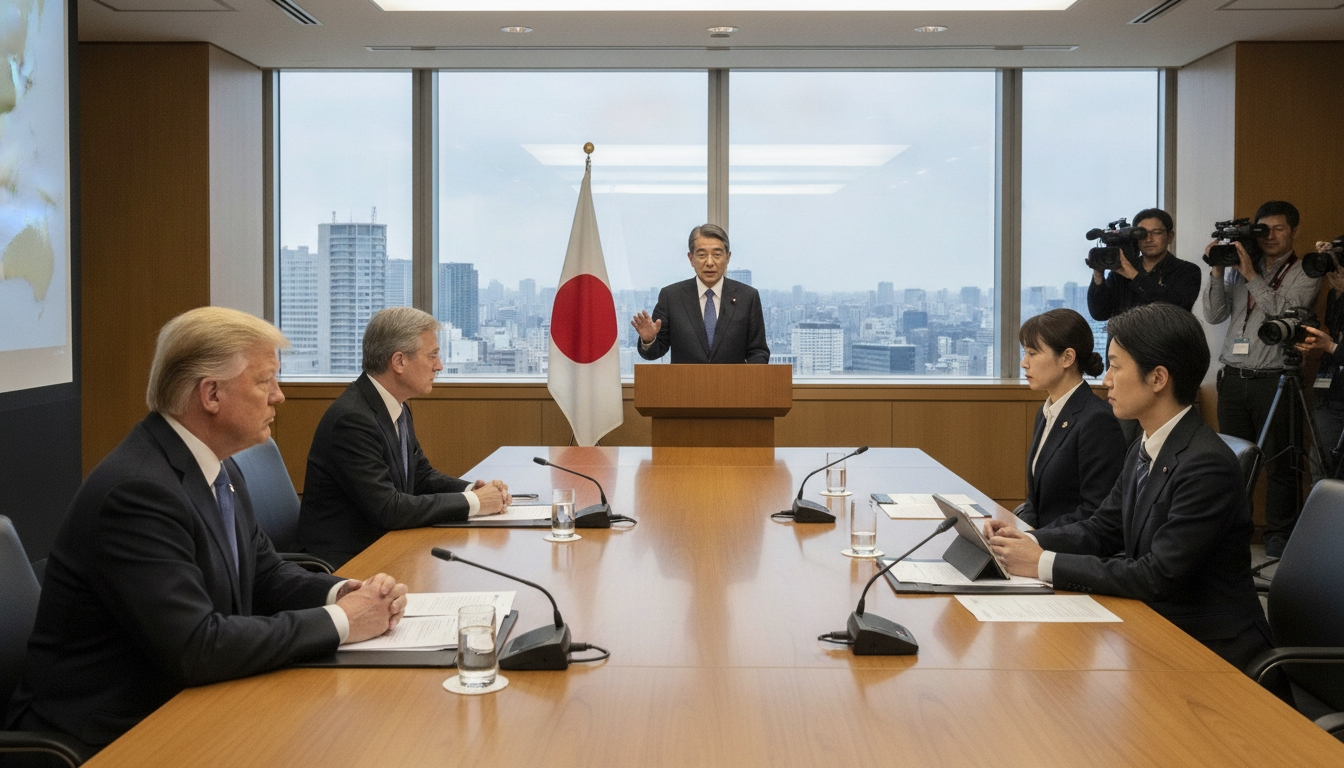
Tokyo’s role emerged as a focal point for discussion, with many urging Japan to step up its efforts to safeguard regional peace and stability. Analysts and officials at the summit suggested Tokyo could amplify its diplomatic engagement, strengthen defence cooperation with partners, and invest in resilience measures for critical infrastructure. Japan’s strategic choices will influence both deterrence dynamics and the robustness of regional institutions.
Policymakers in Tokyo face a dual challenge: balancing contributions to deterrence with leadership in sustaining the rules‑based order. Increased cooperation with Southeast Asian states and deeper trilateral ties with partners could help bridge deterrence and diplomacy. The summit underscored that Japan’s actions will be closely watched by neighbours weighing security options.
Allied Coordination and Military Exchange Initiatives
Allied representatives discussed practical steps to align military readiness with normative commitments, including joint exercises, information‑sharing, and confidence‑building measures. Several delegations emphasised expanding transparent military dialogues to prevent misperception and accidental escalation. Proposals aimed at combining robust defence postures with mechanisms for communication and de‑confliction received particular attention.
Defence planners highlighted the importance of interoperability and rules for escalation control as complements to capability enhancement. Participants also noted the value of non‑traditional security cooperation, such as maritime search and rescue and humanitarian assistance, to build trust. These initiatives reflect a broader effort to make deterrence sustainable and predictable.
Policy Choices Ahead for Regional Stability
The Shangri‑La Dialogue made plain that policy choices by major powers will shape regional stability for years to come. Delegates urged a mix of credible deterrence, stronger alliances, and reinvigorated multilateral institutions to manage competition without fracturing the international order. For Japan and other middle powers, the challenge is to design policies that simultaneously deter coercion and preserve cooperative norms.
Observers at the summit called for clearer signalling, more consistent engagement in regional forums, and renewed investment in diplomatic infrastructure. Absent those measures, officials warned, tensions could harden into entrenched rivalries with higher risks of confrontation. The forum’s consensus was cautious but unmistakable: a singular focus on power without rules risks undermining the very peace it aims to protect.
Japan must now consider its next steps carefully, balancing capability development with proactive diplomacy and regional capacity‑building. The debates in Singapore highlighted both the fragility of the current order and the practical options available to preserve it. Continued engagement at forums like the Shangri‑La Dialogue will be essential to translate rhetoric into durable policy.

