
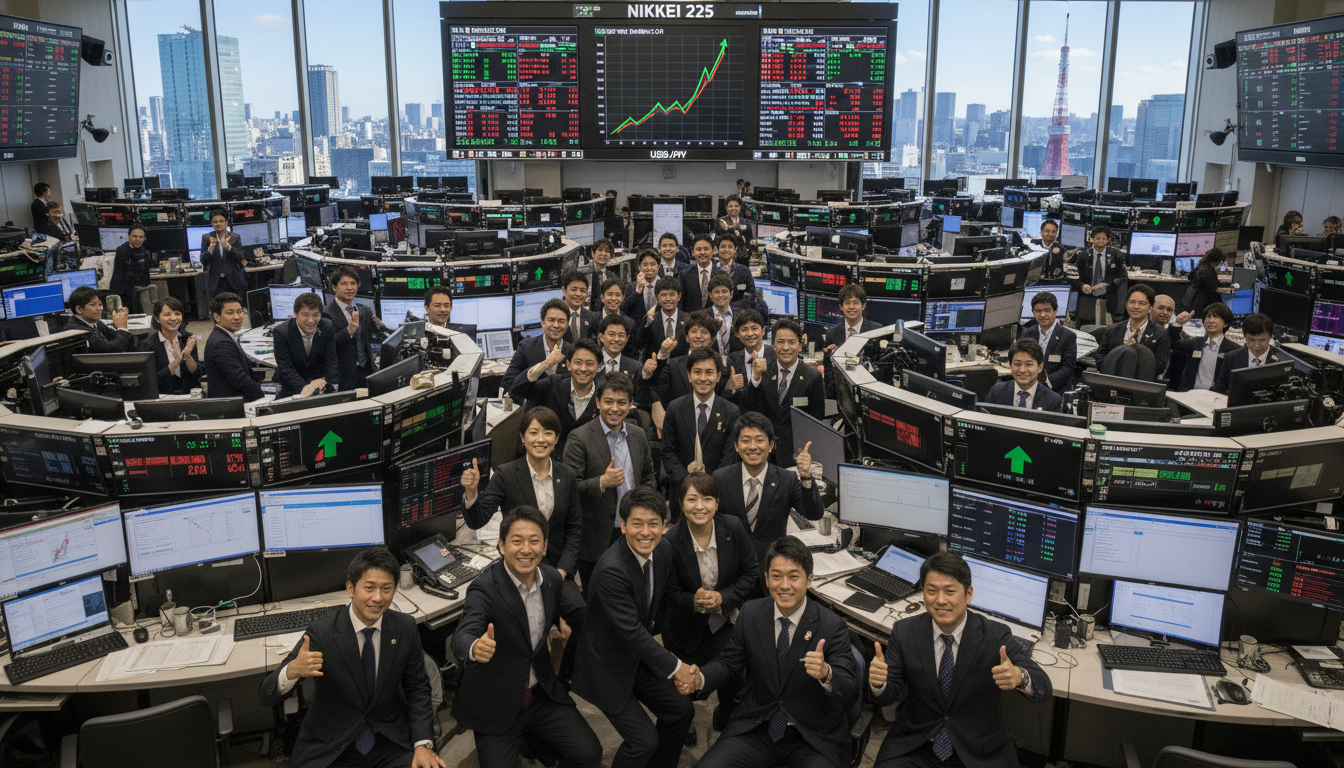
Japanese stocks leap as Tokyo reopens May 7 after Golden Week on U.S.-Iran optimism
Japanese stocks jumped as Tokyo reopened May 7 after the Golden Week holidays, buoyed by signs of U.S.-Iran de-escalation and renewed investor buying across exporters and banks.
Opening trading surge
Japanese stocks jumped sharply on the morning of May 7, 2026 as the Tokyo market caught up after the long Golden Week break. Investors cited growing signs that the United States and Iran may be moving toward a reduction in hostilities, a development that eased risk premia and lifted sentiment. The return of domestic traders after an extended holiday added liquidity and amplified moves across major indexes.
Nikkei reaction and market breadth
The Nikkei average led gains among local benchmarks as trading resumed, with broad participation from midcaps and exporters. Market participants pointed to a pickup in buy-on-reopen flows after several business days of limited activity. Analysts noted that the strength was not limited to a handful of names, signaling a widespread adjustment rather than a single-sector spike.
Investor sentiment driven by geopolitical cues
Traders said the dominant theme in early trading was the potential for a de-escalation between the U.S. and Iran, which reduced demand for safe-haven assets and encouraged risk-taking. Hedge funds and institutional desks shifted short-term allocations back into equities as headline risk eased. Market commentary emphasized that geopolitical headlines often precipitate rapid repositioning when markets reopen after holidays.
Sectors leading the advance
Export-oriented manufacturers and financial stocks were among the best performers as the market regained momentum. Exporters benefited from expectations of steadier global trade conditions if geopolitical tensions cool, while banks reacted to the prospect of improved business confidence. At the same time, commodity-linked names posted mixed results amid ongoing reassessments of supply and demand fundamentals.
Currency and bond market responses
The yen showed modest weakness against major currencies as investors reduced safe-haven positions, a move that supported large exporters’ earnings prospects. Government bond yields ticked higher in early trading as risk appetite rose and demand for lower-risk assets eased. Traders cautioned that currency and yield moves could reverse quickly if fresh geopolitical developments emerge.
Overseas cues and commodity influence
Asian and Western markets provided supportive cues with improved risk sentiment overnight, influencing flows into Tokyo. Oil and other commodity prices were monitored closely by market participants for signs that a geopolitical thaw might affect global energy dynamics. Portfolio managers emphasized that cross-border capital flows often drive the early-session rhythm after extended local holidays.
Outlook as trading normalizes
Analysts said the market rally reflected a mix of resumed domestic liquidity and positive external headlines, but they urged caution given the fluid geopolitical backdrop. Short-term momentum could persist if further de-escalatory signals arrive, yet volatility remains a realistic risk as investors digest fresh information. Many desks flagged the need for active risk management while positioning for potential follow-through in earnings-sensitive sectors.
Market participants described Thursday’s session as a reminder that calendar effects such as Golden Week can create sharp, concentrated moves when markets reopen. With a fuller slate of corporate news and economic releases expected in the coming days, traders will be watching whether the early gains broaden into a sustainable trend.
The Tokyo market’s response on May 7 underscored how quickly sentiment can shift when geopolitical headlines align with the return of domestic investors after a long holiday.

