
Philippine central bank rate hike: BSP raises policy rate by 25 bps as inflation spreads
Philippine central bank raises policy rate 25bps; Gov. Eli Remolona signals more hikes as inflation broadens, aiming to anchor prices and support the peso.
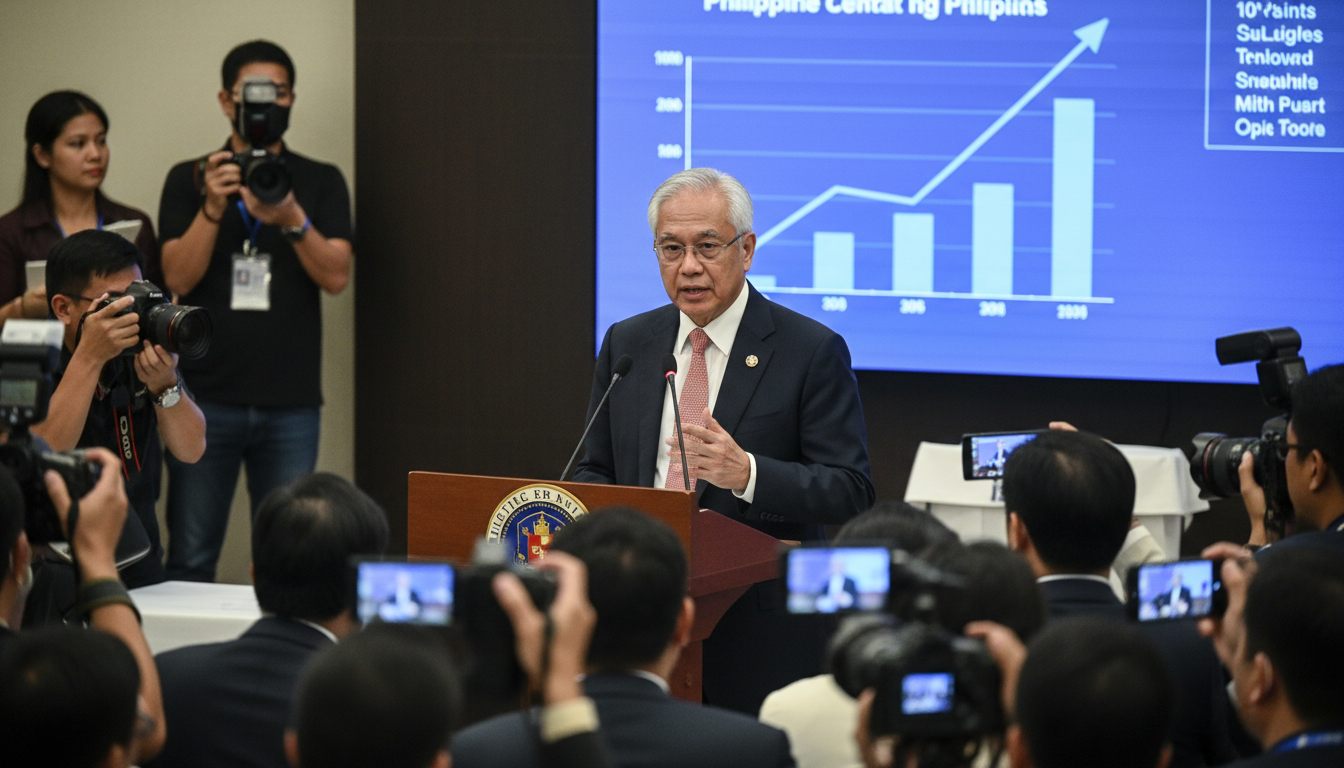
The Philippine central bank moved into tightening mode on Thursday with a 25 basis point policy rate increase, marking a decisive shift from the easing cycle that began in 2023. This Philippine central bank rate hike comes as Governor Eli Remolona warned that inflation pressures are spreading across the economy and that further increases are likely. Officials said the move aims to rein in rising prices and shore up confidence in monetary policy amid a clouded global outlook. Markets and domestic borrowers are already weighing the implications for interest costs and the peso.
BSP raises policy rate by 25 basis points
The Bangko Sentral ng Pilipinas approved a 25 basis point increase to its policy rate after a period of monetary accommodation last year. The central bank framed the decision as a pre-emptive response to broader price pressures, shifting from support for the economy toward price stability. Governor Eli Remolona publicly signalled that this will not be a one-off adjustment, indicating additional rate moves could follow if inflation continues to broaden.
Inflation spreading beyond food and fuel
Central bank officials cited a widening range of inflation drivers as a key reason for the hike, noting that price gains were no longer confined to volatile food and energy categories. Rising services costs and second-round effects from earlier commodity-driven shocks were flagged as growing concerns. The BSP said the move is intended to anchor inflation expectations and prevent a more entrenched rise in consumer prices.
End of the 2023 easing cycle
The policy action formally closes the loosening cycle that began in 2023, during which the bank lowered borrowing costs to support recovery after global disruptions. Policymakers said the domestic recovery has strengthened enough that the central bank can begin to normalise policy. The decision underscores a shift in priorities as the BSP balances growth objectives with its mandate to maintain price stability.
Markets react and the peso’s response
Financial markets responded quickly to the announcement, with traders re-pricing expectations for future monetary policy moves. Local bank lending rates and yields on short-term government debt adjusted higher in the immediate aftermath. The peso showed signs of stabilization as investors factored in the likelihood of further tightening, though currency moves remained sensitive to global risk sentiment and regional interest rate trends.
Implications for borrowers and the economy
A sustained series of rate increases would raise borrowing costs for households and businesses, potentially slowing credit growth if passed through to retail loan rates. Mortgage and corporate financing costs are likely to climb, affecting investment and consumption decisions. Policymakers will have to weigh the inflation-fighting benefits of higher rates against the risk of cooling an economy that still needs support in some sectors.
Governor Remolona signals further tightening if needed
Governor Remolona emphasised that the latest increase reflects the bank’s duty to prevent inflation from becoming entrenched and that future action will be data-dependent. He signalled readiness to act again should inflation continue to broaden or if inflation expectations drift upward. The BSP’s forward guidance aims to shape market expectations and reassure households that authorities remain vigilant.
Looking ahead, the central bank will monitor incoming inflation data, wage trends, and global developments that could affect domestic prices and capital flows. Policymakers are likely to balance concerns over household affordability and business credit conditions against the imperative to hold inflation expectations steady. The Philippines’ monetary path will also be influenced by policy moves in major economies and commodity price trajectories.
The policy shift marks a clear pivot in the BSP’s approach and sets the stage for close attention from markets, businesses, and consumers as further decisions unfold.

