
Iran war escalation threatens Philippine remittances and triggers Gulf evacuations
Iran war escalation threatens Philippine remittances as Gulf deployments decline and evacuations rise, risking household incomes and straining Manila’s economy.
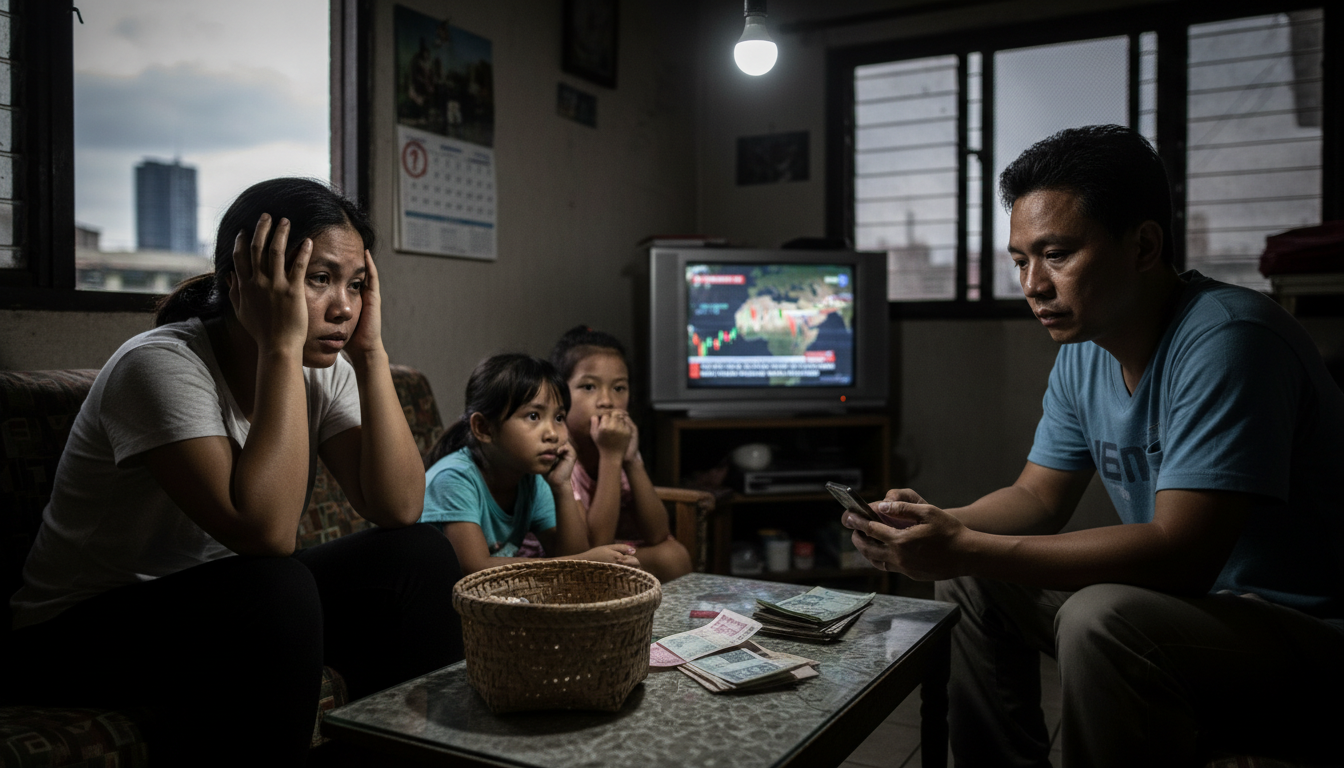
The Iran war escalation is prompting a fresh wave of fear among Filipino migrant workers in the Gulf, a development that Manila and economists warn could significantly dent remittance flows to the Philippines. Reports of missile strikes and attacks near military installations have spurred evacuations and a slowdown in new deployments, heightening concerns about the country’s reliance on overseas earnings. Migrant rights groups and families in Manila say the human impact is immediate, with workers choosing safety over income and households bracing for reduced support.
Filipino workers flee Gulf amid Iran war escalation
Many Filipino migrants in Qatar, the UAE and other Gulf states have sought to return or relocate after recent attacks linked to the Iran war created an atmosphere of insecurity. Accounts from returnees describe confusion during strikes and a decision to leave well before formal repatriation orders were issued.
Community organizations report that departures have accelerated since tensions rose, driven by both personal safety concerns and employers’ operational changes. The exodus has been pronounced among domestic helpers and other low-wage sectors where workers live and work close to potential targets.
Remittances at risk, with outsized effects for vulnerable households
Remittances are a cornerstone of the Philippine economy and a primary income source for millions of families, particularly in rural provinces. Any sustained decline driven by the Iran war could reduce household consumption, slow local investment and amplify social stresses in communities that depend heavily on funds from abroad.
Analysts caution that the composition of remittances—often small, regular transfers for daily needs—means even modest disruptions can have outsized effects on food security, education payments and debt servicing. Policymakers in Manila are monitoring cash flows closely as an early barometer of the conflict’s domestic economic fallout.
Government evacuation programs and deployment restrictions
Philippine authorities have stepped up consular outreach and organized repatriation flights for workers who choose to leave Gulf host countries. The Department of Migrant Workers has issued advisories urging caution for those still abroad and has coordinated with local missions to assist distressed workers.
At the same time, Manila faces difficult decisions on whether to tighten or temporarily ban new deployments to conflict-affected areas. Such measures protect citizens but also constrain legal channels for employment, potentially pushing some job-seekers toward informal or unregulated recruiters.
Protests and advocacy highlight worker protection demands
Migrant groups and families have staged demonstrations calling on the government to prioritize the safety of overseas Filipino workers amid the Iran war. Rallies outside government offices have demanded clearer evacuation plans, faster processing of repatriation requests and stronger enforcement against exploitative recruiters.
Advocates say the crisis underlines long-standing vulnerabilities in labor migration systems, from delayed consular responses to gaps in social insurance coverage. They are pressing for immediate reforms as well as longer-term measures to reduce risk for migrant workers abroad.
Recruitment disruptions and shifts in regional labor markets
Employers and recruitment agencies operating between Southeast Asia and the Gulf are reporting delays, cancelled contracts and slower hiring as uncertainty spreads. This disruption is likely to redirect some recruitment flows to nearby markets such as East and Southeast Asia, where perceived risks are lower.
Such a realignment will not be swift; workers and recruiters must navigate differing certification, licensing and visa regimes. Nonetheless, a sustained Iran war-driven retrenchment from the Gulf could accelerate diversification of destinations for Filipino workers over the medium term.
The Iran war’s ripple effects extend beyond geopolitics, directly touching livelihoods across the Philippines through disrupted employment and remittances. Manila’s immediate priorities include ensuring safe repatriation, bolstering support for affected families, and working with partner countries to protect those still employed abroad while searching for longer-term labor market solutions.

