
SK Hynix IPO Raises $26.5 Billion on Nasdaq at $149 a Share
SK Hynix IPO priced at $149 per share raised $26.5bn on Nasdaq on July 10, 2026; proceeds will fund expanded memory-chip output amid surging AI demand.
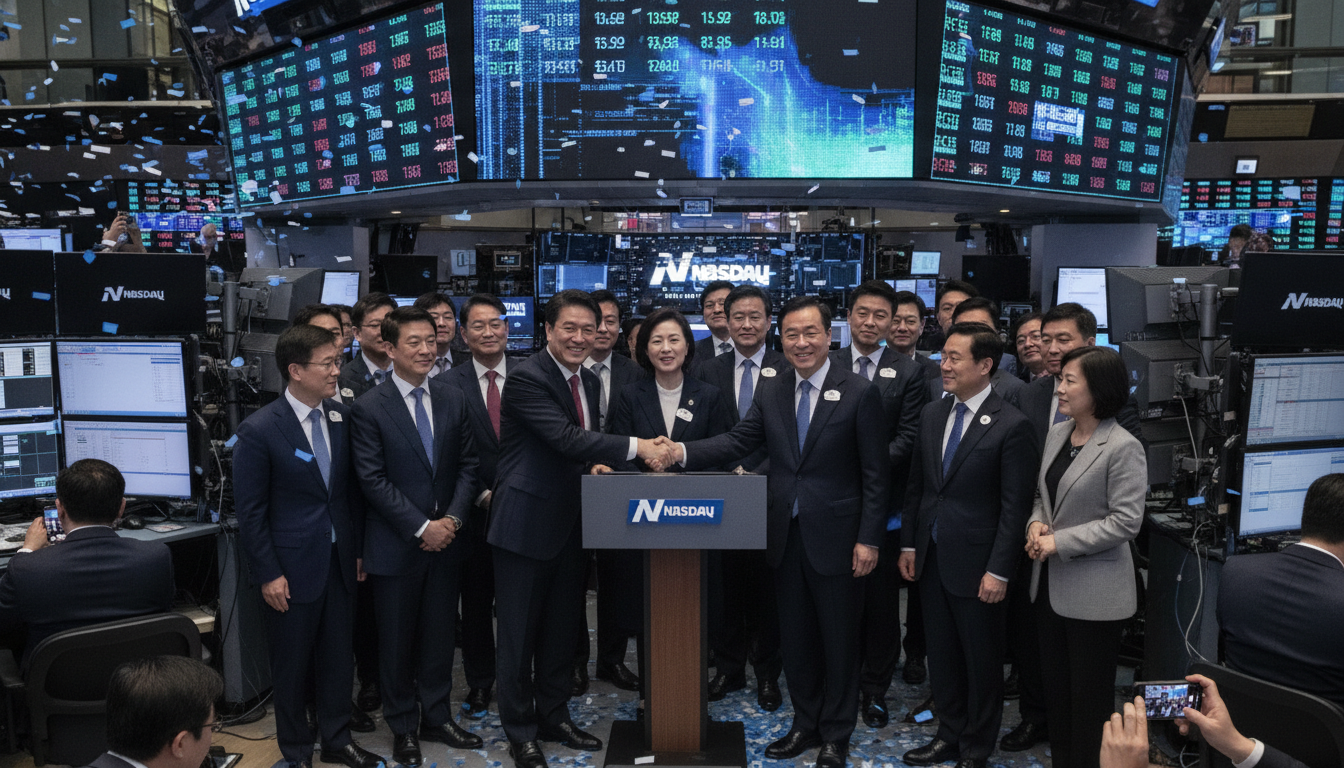
On July 10, 2026, the SK Hynix IPO priced at $149 per share, generating roughly $26.5 billion in gross proceeds on the Nasdaq. The South Korean memory-chip maker said the offering will supply capital to expand production capacity as artificial intelligence workloads drive demand. The listing ranks among the largest-ever U.S. public share sales and marks a major moment for Korea’s semiconductor industry.
Pricing and scale of the listing
The company set the offering price at $149 per share, a figure that placed the flotation in the top tier of recent global IPOs. Underwriters sold shares on Nasdaq, delivering proceeds that SK Hynix intends to deploy quickly to scale manufacturing. Market participants noted the size of the transaction underscored investor belief in continued demand for DRAM and NAND memory tied to AI infrastructure.
Use of proceeds and capacity expansion plans
SK Hynix has said it plans to reinvest the funds into expanding memory-chip production lines and upgrading process technology. Company statements indicate the cash will support wafer-fab buildouts, equipment purchases, and R&D aimed at AI-optimized memory products. Executives framed the capital raise as a strategic response to growing enterprise demand for high-bandwidth memory and data-center storage.
Market reception and valuation implications
The offering’s size pushed SK Hynix toward the upper echelons of public-market valuations for chip companies, drawing attention from global institutional investors. Investors weighed the near-term capital spend against long-term revenue potential from AI-related chip sales, producing robust subscription levels for the deal. Analysts said the successful placement reflects confidence that memory pricing and utilization will remain favorable as data-center customers scale up.
Industry context: the AI-driven capacity race
Chipmakers worldwide have announced capacity expansions to keep pace with AI compute growth, and SK Hynix’s Nasdaq listing enters that broader trend. Memory demand has been bolstered by large-scale language models and neural network training, which require vast pools of DRAM and high-speed storage. The SK Hynix IPO positions the company to accelerate projects that industry peers have also prioritized to avoid future bottlenecks.
Risks and investor considerations
Despite strong demand signals, the sector faces cyclical risks, including inventory swings and pricing volatility in memory markets. Large capital expenditures carry execution risk, and new fabs require time before they contribute fully to output and revenue. Investors will monitor quarterly earnings, capital-spending cadence, and signs that end-user demand for AI infrastructure remains sustained rather than transitory.
Listing mechanics and regulatory steps
The Nasdaq sale completed on July 10, 2026 followed the company’s filing and bookbuilding process overseen by global underwriters. Shares will begin regular trading under their designated ticker with lock-up provisions for major shareholders and institutional allocations typical of large offerings. Regulatory clearances in the United States and South Korea were addressed in pre-listing filings, allowing the company to proceed with the cross-border placement.
SK Hynix’s decision to tap the U.S. equity market reflects a strategic effort to access deep pools of liquidity while signaling its intent to be a leading supplier in the AI-era semiconductor landscape. The proceeds from the IPO give the company a financial runway to pursue capacity and technology upgrades, but the ultimate returns will hinge on execution and the durability of AI-driven memory demand.

