
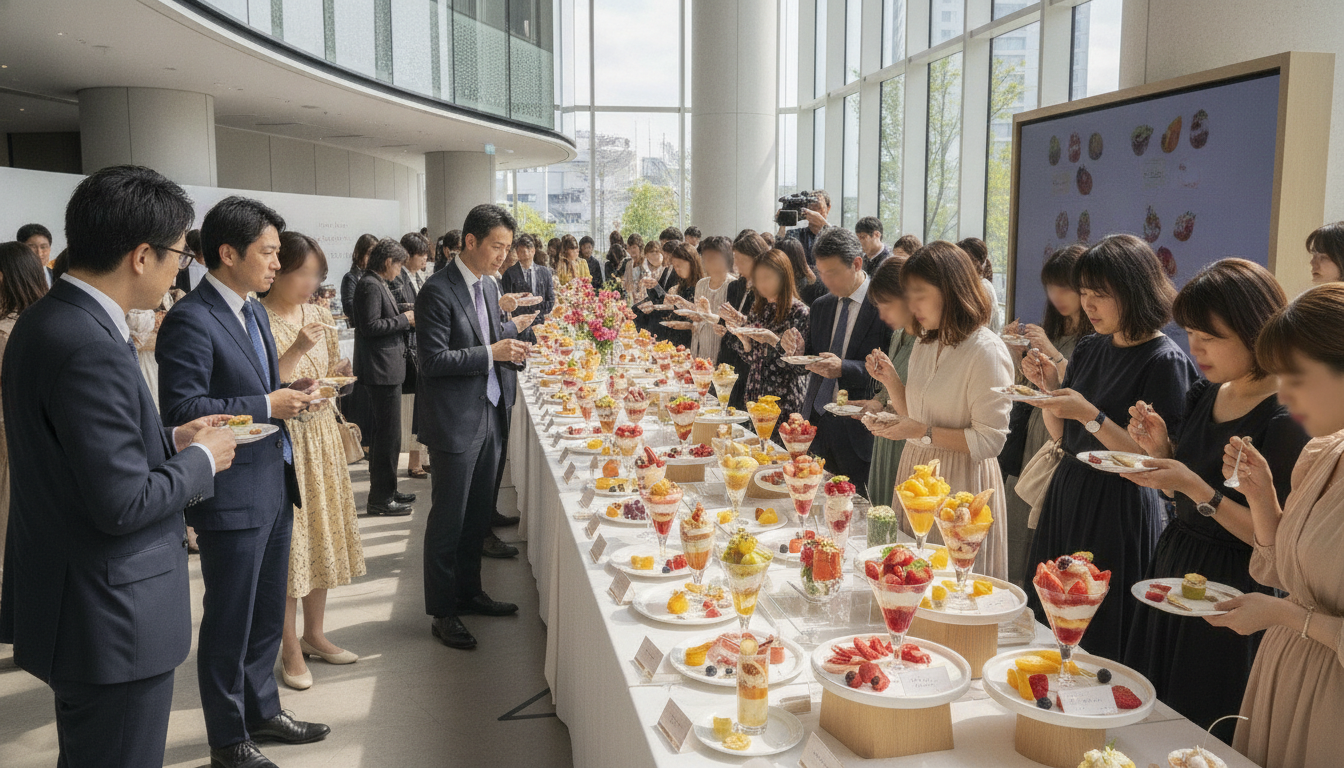
Hills Parfait Collection 2026 spotlights Tokyo’s layered dessert scene with seasonal fruit and chef-crafted glasses
A curated parfait showcase opens July 29–August 20, 2026, at Azabudai Hills, pairing seasonal fruit and inventive techniques in day and night programs.
Hills Parfait Collection opens at Azabudai Hills, July 29–August 20, 2026
The Hills Parfait Collection 2026 launches at Azabudai Hills, bringing a concentrated spotlight to Tokyo’s evolving parfait culture. The event runs from July 29 through August 20 and stages 12 special parfaits created by nine shops selected by critic Onoya. The showcase occupies the Sky Room Cafe & Bar on the 34th floor of Mori JP Tower and presents distinct daytime and evening concepts against a Tokyo skyline backdrop.
Organizers describe the daytime program as a study in color and seasonal produce, while evenings pair selected parfaits with bespoke cocktails for a more theatrical service. Prices at the event range from approximately ¥2,000 to ¥4,200 per parfait, with an additional ¥500 per-person service charge. Attendance is limited, and the event operates on a walk-in basis for daytime and evening seatings, though quantities are capped each day.
Event format separates daytime “art parfaits” and evening parfait-and-cocktail service
Daytime seatings at the Hills event prioritize aesthetic and seasonal expression, presenting seven “art parfaits” themed around color and ingredient peaks. These daytime glasses lean into fruit-forward combinations such as Miyazaki mango and more experimental blends like edamame with matcha. Each parfait is built as a tasting progression in glass, with layers designed to open, develop, and finish like a small course.
Evening service emphasizes texture and pairing by mounting selected parfaits alongside cocktails from restaurants and bars on Dining 33. Participating venues include Paysage and çayca, which present dessert-and-drink pairings designed to play against the Tokyo Tower skyline. The dual format allows visitors to experience the same ingredient set through two different service logics: contemplative daytime tasting and lively, bar-oriented evening presentation.
Ten shops in Tokyo and nearby regions present signature parfaits at the collection and year-round
The Hills lineup gathers a mix of Tokyo stalwarts and regional craft patisseries known for seasonal precision. Paysage of Daikanyama brings French technique and a chef’s-counter service that requires reservations for Sunday and holiday parfaits. Nami Zaimokuza in Kamakura contributes from its tiny weekend tea room, where seats are distributed via an Instagram lottery and bookings are tightly controlled.
Kazu Bake of Saitama and Typica of Nishi-Ogikubo represent the more adventurous flank, experimenting with savory herbs, spices, and vegetable elements in dessert. Kazu Bake’s blue piña colada and Typica’s edamame-and-matcha creation featured prominently at the press preview, signaling a move toward savory-sweet balance in contemporary parfaits. Parfaiteria beL in Shibuya channels the Sapporo “shime parfait” tradition with late-night service tailored to act as a nightcap, while Shiseido Parlour in Ginza maintains the classical Western-style parfait as a benchmark for flavor restraint.
Takano Fruit Parlor in Shinjuku showcases century-long fruit-parlor lineage with stacked seasonal fruit parfaits and a Shizuoka muskmelon special during summer. Pâtisserie Asako Iwayanagi in Todoroki offers jewel-like “parfait bijou” sets that read like plated desserts in glass, available by reservation and sold as a splurge tasting. Outside Tokyo, Parfait tokidoki in Nirasaki, Yamanashi, capitalizes on orchard proximity to deliver tree-to-glass fruit parfaits, making it a natural destination for day trips during stone-fruit season.
Notable flavor directions and standout creations observed at the press preview
At a recent media preview before the public opening, edamame-and-matcha and electric-blue piña colada parfaits drew particular attention for reframing ingredient expectations. The edamame-and-matcha glass layered bean purée and matcha elements to create savory echoes that complemented, rather than competed with, sweet components. The piña colada parfait combined vivid blue ice, fresh pineapple, and edible flowers to produce a visually striking, seasonally resonant dessert.
These examples illustrate two concurrent currents in Tokyo parfait-making: first, a deepened interest in balancing savory, herbal, and fermented flavors with fruit and dairy; second, a continued devotion to visual storytelling where color and texture become narrative devices. Critics and chefs involved with the collection emphasize that parfaits in Japan now function as entertainment and sensory journeys rather than mere after-meal sweets.
Practical information: prices, seating, reservations and travel tips for visitors
For the Hills Parfait Collection, daytime seatings are scheduled from 11 a.m. to 4 p.m., with evening services from 5 p.m. to 9 p.m. Parfaits at the event are priced roughly between ¥2,000 and ¥4,200, with a ¥500 service charge per person added to the bill. There are no advance reservations for most daytime slots at the Sky Room Cafe & Bar, so arriving early on high-demand days is recommended; however, daily numbers are limited and popular items can sell out.
Individual shops on the list follow their own booking and service rules. Paysage in Daikanyama restricts seasonal parfait service to Sundays and holidays at a six-seat chef’s counter and requires reservations and prepayment, with prices in the neighborhood of ¥5,500 including a drink. Nami Zaimokuza opens only on selected days and allocates seats via a social-media lottery, while several boutique patisseries such as Asako Iwayanagi and Parfait tokidoki operate strictly by reservation. Travelers planning visits outside central Tokyo should factor in train schedules and weekday closures; for example, Typica is closed on Wednesdays and Parfait tokidoki does not operate on Thursdays and Fridays.
Parfait culture in Japan: seasonal produce, technique and the evolution from sundae to tasting glass
Japan’s approach to the parfait has diverged markedly from its French name and American soda-fountain origins, becoming instead an instrument for celebrating shun — the transient peak of seasonal produce. Fruit parlors and traditional kissaten have long prized fruit quality, and contemporary parfait chefs now layer textures, temperatures, and savory notes to frame those fruits within a narrative arc. The result is a dessert that can read like a multi-course tasting compacted into a tall glass.
This evolution also reflects broader culinary trends: a fusion of classical pastry technique with local ingredient sourcing and a willingness to borrow from savory cookery. Makers now introduce herbs, spices, and fermented elements into parfaits to stretch expectations and create memorable contrasts. Meanwhile, late-night parfait venues that serve “shime” parfaits position the dessert as an intentional capstone to an evening, integrating parfait into urban nightlife culture as both comfort and craft.
Regional parfait experiences, day trips and after-dark options around Tokyo
Beyond the Azabudai Hills showcase, several regional and neighborhood spots offer complementary approaches to the parfait. Yamanashi’s orchard belt supplies fruit directly to places like Parfait tokidoki, making the prefecture an attractive day-trip destination for fruit-focused parfaits in peak season. Kamakura’s Nami Zaimokuza pairs a compact tea-room experience with nearby beach walks, turning a parfait visit into a broader coastal outing.
In the Tokyo urban core, Shibuya’s Parfaiteria beL is tailored to late-hours crowds with carefully engineered sweetness progressions designed to play after dinner and drinks. Shinjuku’s Takano Fruit Parlor and Ginza’s Shiseido Parlour preserve historical continuity, serving year-round classics that provide a useful point of comparison for more experimental shops. For diners seeking an integrated itinerary, combining an evening parfait stop with a daytime regional excursion offers a full perspective on how the same dessert concept shifts across contexts.
To reach outlying shops, travelers should consult train timetables and reserve in advance where required, especially for six-seat counters and reservation-only salons. Many of the smaller operations release booking information and reservation lotteries via social channels, so monitoring official accounts or calling ahead can prevent disappointment. Weekend demand peaks in summer, and seasonal specialties often sell out early in the day.
The Hills Parfait Collection’s programming and participating shops reflect the breadth of Tokyo’s parfait scene and offer both residents and visitors a convenient window into current trends. The event’s daytime art parfaits and nighttime cocktail pairings will provide two distinct ways to experience the same ingredient narratives, and the participating patisseries showcase the range from classical fruit parlors to avant-garde dessert ateliers.
This summer’s parfait offerings make clear that in Japan the parfait is no mere sweet: it is a seasonal statement, a technical exercise, and increasingly, a destination draw that rewards planning, curiosity, and a willingness to let savory and sweet play together.

