
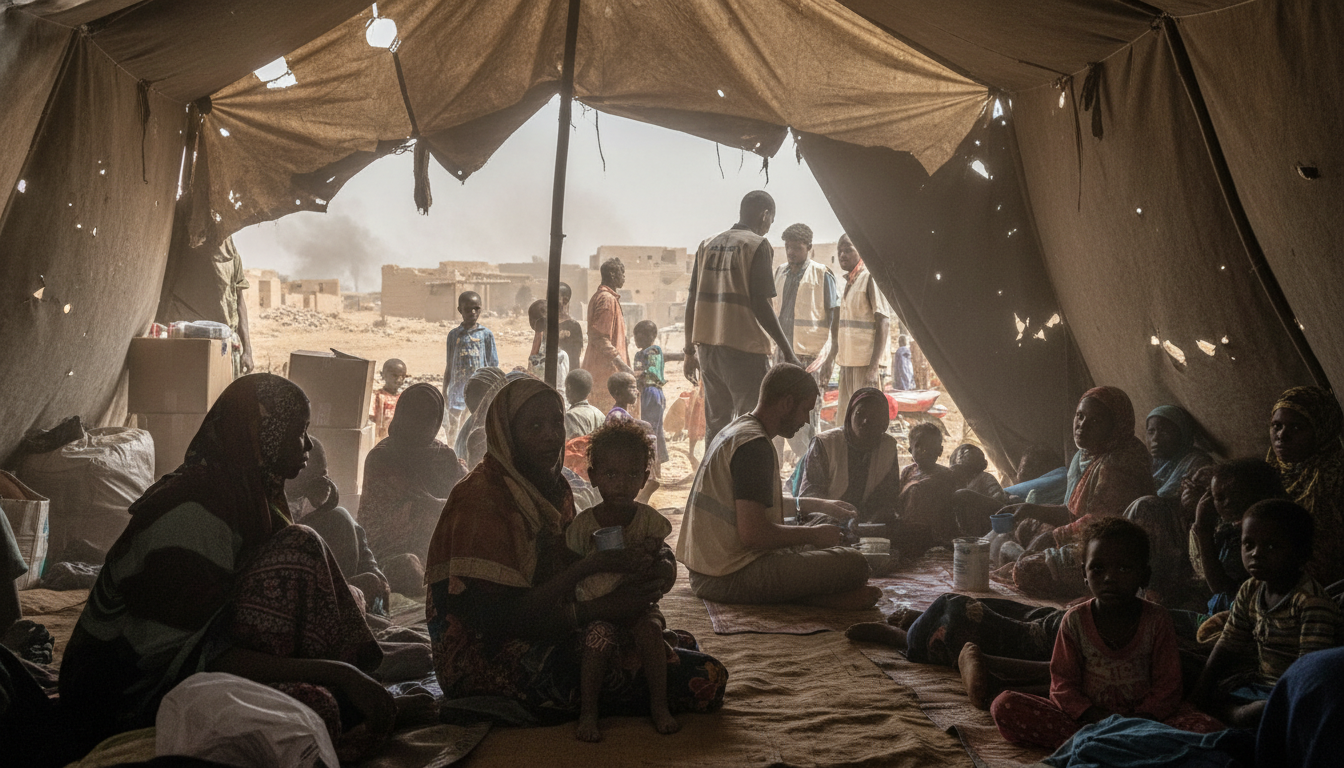
Sudan Health Crisis Deepens as Disease, Malnutrition and Attacks Cripple Medical Care
Sudan health crisis deepens as 34 million need aid and 21 million are without care; disease, malnutrition and attacks are crippling hospitals and aid efforts.
Three years of conflict have pushed Sudan into what the World Health Organization calls the world’s largest ongoing humanitarian emergency, with immediate consequences for public health across the country. The Sudan health crisis now affects tens of millions: 34 million people require humanitarian assistance, while an estimated 21 million have lost access to essential health services. World Health Organization officials warn that recurring violence, disease outbreaks and rising malnutrition are compounding an already fragile medical system.
Scale of the crisis in numbers
Across Sudan, the scope of need is stark: more than 4 million people were assessed as acutely malnourished in 2026, placing many at high risk of life‑threatening complications. The collapse of routine services has left primary care centers, referral hospitals and emergency units overwhelmed or closed, particularly in areas affected by sustained fighting. WHO figures show that roughly 37 percent of health facilities across the country are non‑functional, limiting treatment for common and severe conditions alike.
Widespread disease outbreaks reported
Health authorities have recorded outbreaks of multiple infectious diseases in recent months, including malaria, dengue, measles, hepatitis E, meningitis, diphtheria and circulating vaccine‑derived poliovirus type 2 (cVDPV2). These outbreaks have been reported in several states such as Al Jazirah, Darfur, Gedaref, Khartoum, Kordofan, River Nile and White Nile. The combination of displaced populations, disrupted vaccination services and constrained surveillance has accelerated transmission and complicated containment efforts.
Attacks on health care and attendant toll
Violence against health infrastructure has further eroded access to care. WHO has verified 217 attacks on health care since April 15, 2023, resulting in 2,052 deaths and 810 injuries among patients, staff and bystanders. Ambulances, clinics and hospitals have been damaged or commandeered, and health workers have been targeted, undermining emergency response and routine treatment. One recent assault on El Daein Teaching Hospital in East Darfur left the referral facility non‑operational and was linked to at least 64 deaths, including children and medical staff.
Displacement and humanitarian access constraints
Fighting in Greater Darfur and Kordofan has driven large population movements and severely restricted the flow of humanitarian supplies. Displaced families face long, perilous journeys to reach functioning facilities, and convoys delivering medicines and nutrition supplies have been delayed or prevented from reaching high‑need areas. Humanitarian actors report that access channels open only intermittently, forcing aid organizations to rely on mobile clinics and ad hoc arrangements to keep essential services running.
WHO emergency response and health system support
Since the conflict began, WHO has sustained operations on the ground, delivering medical supplies, supporting disease surveillance and coordinating vaccination campaigns. The agency reports having delivered more than 3,300 metric tons of medicines and medical supplies, including emergency kits for cholera, malaria, nutrition and trauma care. WHO‑supported services have reached over 4.1 million people through primary health care centers, mobile clinics and hospitals, and the organization has supported treatment for more than 118,000 children with complicated severe acute malnutrition.
WHO also played a central role in vaccination campaigns that reached more than 46 million people with cholera, polio, diphtheria, measles and rubella vaccines, and worked with national authorities to introduce malaria vaccines into the routine immunization program. A prolonged cholera outbreak was declared over in March 2026 after a sustained response that included oral cholera vaccine campaigns targeting about 24.5 million people.
Funding, protection and calls for access
WHO officials and partners have repeatedly called for unfettered, safe access to all regions of Sudan and for stronger protection of health care under international law. Donor support has enabled many lifesaving deliveries and operations, but shortfalls in funding continue to hinder scale‑up and long‑term recovery of the health system. Regional and global health leaders emphasize that protecting health workers and facilities, and securing sustained humanitarian financing, are essential to prevent further deterioration.
The health emergency in Sudan increasingly illustrates the link between security and public health: without stability, vaccination, maternal and child services, and emergency care cannot be reliably provided. WHO representatives in Sudan say they are expanding efforts where access permits, rehabilitating laboratories and supply chains, and training staff to restore basic services as part of an early recovery strategy.
Despite temporary gains in some states, the political and security landscape remains the primary barrier to restoring health services at scale. Until violence subsides and humanitarian corridors remain open, millions will continue to face interrupted care, heightened disease risk and worsening malnutrition.
Sustained international support, protection for medical personnel and an end to attacks on health facilities are critical to reversing the course of the Sudan health crisis and preventing further loss of life.

