
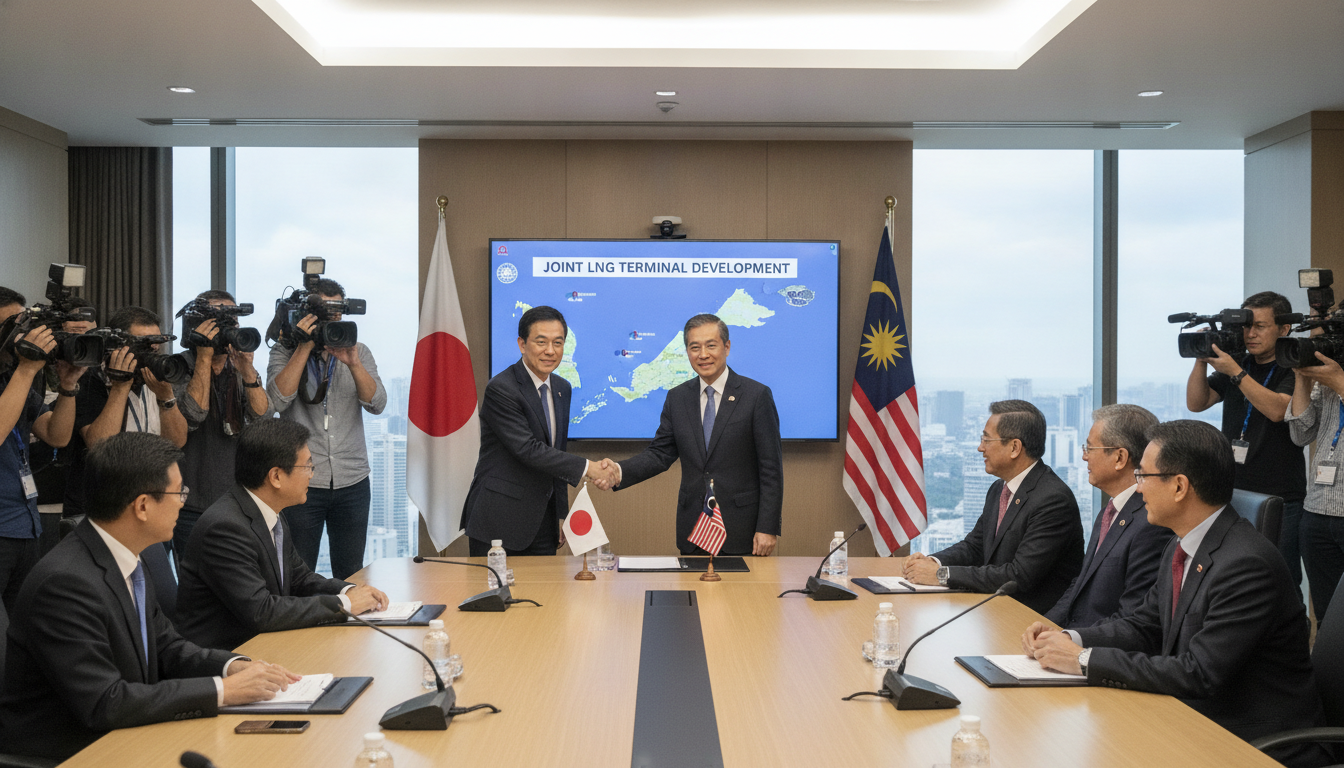
Tokyo Gas Joins Malaysia Offshore LNG Terminal Project, Plans Floating Unit to Cut Costs
Tokyo Gas will join a joint development to build an offshore LNG terminal in Malaysia, deploying a floating unit to reduce construction costs and shorten delivery times, the company announced on June 8, 2026.
Tokyo Gas said on Monday, June 8, 2026, that it will participate in the joint development of an offshore LNG terminal in Malaysia, offering a lower-cost alternative to land-based facilities. The company highlighted that a floating unit can reduce construction expenses and speed up delivery, and that it will draw on operational experience from a similar offshore facility in the Philippines.
Tokyo Gas participation announced
Tokyo Gas released a statement confirming its role in a joint development for the offshore LNG terminal in Malaysia and framed the move as part of its regional expansion strategy. The company did not disclose full partner identities, ownership shares or a finalized construction schedule in the initial announcement.
The announcement emphasized the economic advantages of a floating approach and Tokyo Gas’s intent to supply technical and operational know‑how during the project’s planning and implementation phases. Officials described the involvement as a way to bring Japanese engineering and terminal operations experience to the Malaysian effort.
Floating unit cited as lower-cost, faster option
Project proponents say the floating unit model provides lower upfront construction costs compared with a conventional onshore terminal, and typically offers shorter lead times from contract to operation. Floating solutions can be built and outfitted in shipyards and then towed to site, reducing the need for large-scale civil works onshore.
That delivery speed and lower capital expenditure are particularly attractive to governments and utilities seeking to boost import capacity quickly or to replace aging infrastructure. The Malaysia project will use the floating concept to minimize onshore footprint and accelerate the pace of bringing additional LNG receiving capacity online.
Tokyo Gas to apply Philippines experience
Tokyo Gas noted that it currently participates in the operation of an offshore LNG terminal in the Philippines and intends to apply lessons learned from that venture to the Malaysian project. The company’s Philippine involvement, officials said, provided practical experience in mooring, regasification operations and local regulatory compliance.
Executives highlighted operational practices and safety protocols developed through the Philippines project as transferable assets for the Malaysia development. Those operational lessons are expected to inform site selection, environmental protections and emergency response planning for the new offshore terminal.
Implications for Malaysia’s energy supply and markets
An offshore LNG terminal can enhance Malaysia’s flexibility in importing gas and in regional energy trade, particularly as Southeast Asian markets face fluctuating demand and shifting supply patterns. For Malaysia, an additional receiving terminal could support industrial growth, power generation stability and potential re‑export or bunkering activities.
Analysts say floating terminals can also attract short‑ to medium‑term cargoes and provide a buffer against pipeline disruptions or supply variability. The project may therefore play a role in regional market integration and in diversifying gas sources for both domestic and export customers.
Technical, environmental and regulatory considerations
Floating terminals present specific engineering and environmental challenges that require detailed study before construction can proceed. Key technical issues include mooring system design, pipeline connections to shore, berthing arrangements, and the selection of appropriate regasification technology.
Environmental assessments and permits will be required under Malaysian law, and project developers will need to consult with local communities and stakeholders. Authorities and operators must also plan for maritime safety, spill prevention, and protocols for weather and sea condition contingencies.
Next steps for project development
Following the announcement, the project will move into more detailed planning stages, including feasibility studies, engineering design work and regulatory engagement. Tokyo Gas’s participation signals intent to contribute operational expertise, but the project still requires finalized financing, firm commercial contracts and government approvals.
Market observers will watch for disclosures on partners, investment commitments and an expected commissioning window. If the project secures permits and financing, the floating approach could shorten the time to first gas versus a conventional onshore build, subject to regulatory and construction progress.
Tokyo Gas framed the move as part of its broader strategy to leverage technical expertise in regional LNG infrastructure while responding to customer demand for more flexible and cost‑efficient supply options. The company’s experience in nearby waters positions it to support the Malaysia offshore LNG terminal throughout planning and operation if the project advances to the construction phase.

