
Trump Signals Renewed Iran Attack, Says “Time Is Running Out”
Trump warned on May 17 that ‘time is running out’ for Iran, threatening renewed attacks as talks stall and the Strait of Hormuz remains effectively blocked now.
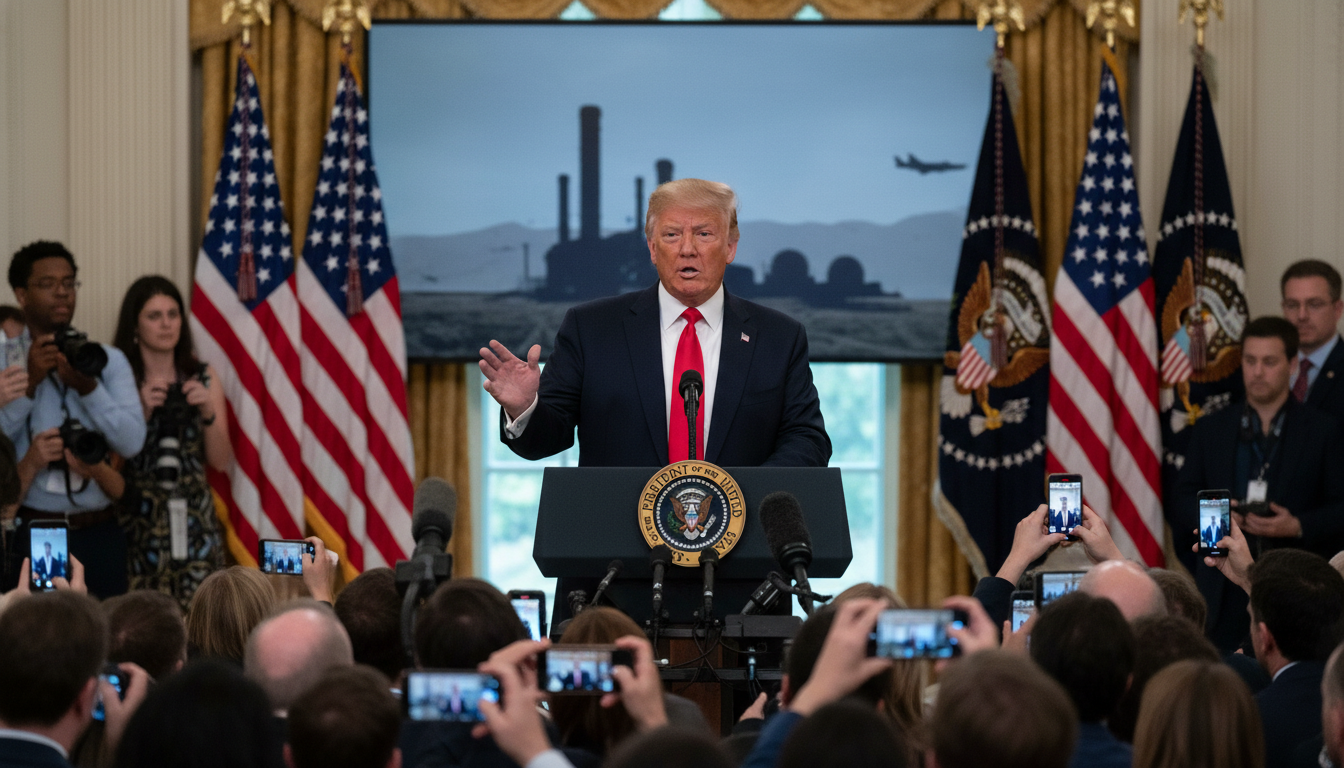
President Donald Trump on May 17 warned on social media that "time is running out" for Iran and hinted at the resumption of U.S. strikes if Tehran does not shift its position, underscoring a rapid escalation in rhetoric over stalled negotiations. The comment — echoed in a separate phone interview with Axios the same day — reiterated threats first voiced by the president in March about striking Iranian infrastructure, including power plants. The renewed warning comes amid an unstable ceasefire that has failed to resolve Iran’s effective blockade of the Strait of Hormuz and persistent disagreements over the sequencing of nuclear and regional security issues.
Trump reiterates attack threat after stalled talks
Trump used near-identical language in a post on social media and in an Axios interview on May 17, saying that if Iran does not present a more conciliatory proposal it will face "far worse" strikes from U.S. forces. The president has publicly pressed Tehran since March, seeking concessions and at times threatening targeted strikes on energy facilities. His May 17 comments mark a continuation of a pressure campaign that mixes diplomacy with explicit military threat.
Negotiations deadlocked over sequencing of issues
U.S. officials have concentrated bargaining chiefly on Iran’s nuclear program, aiming to conclude a diplomatic settlement that would end hostilities. Iranian negotiators, however, have reportedly sought to defer nuclear discussions in favor of addressing other regional or economic demands first, creating a stalemate. That disagreement over priorities has left the process without a clear path to a comprehensive agreement.
Strait of Hormuz remains choke point for trade
Despite a tenuous halt to direct combat since early April, Iran’s actions have effectively disrupted shipping through the Strait of Hormuz, a critical artery for global energy supplies. The continuing obstruction has amplified commercial and strategic concerns among importers and insurers, raising costs and complicating logistics. The maritime pressure contributes to the sense of urgency voiced by U.S. officials and to Trump’s warning about running out of time for a negotiated solution.
Consultations with Israel and a planned security meeting
On May 17 the president held discussions with Israeli Prime Minister Benjamin Netanyahu, who earlier joined the U.S. in opening hostilities against Iran, and the White House announced a security meeting for May 19. The scheduled gathering will convene senior administration national security officials to review and deliberate military options, according to U.S. government sources. That timetable signals the Biden administration’s successor’s continued reliance on coordinated consultation with regional partners before any decision to strike.
Diplomacy still preferred but military options remain on table
U.S. officials say the administration continues to seek a diplomatic end to fighting, even as the president increases public pressure on Tehran. The White House’s posture appears to balance pursuit of a negotiated settlement with a readiness to consider military measures should talks produce no meaningful concessions. Such dual-track strategies, blending negotiation with credible force posture, are intended to enlarge pressure on Iran while preserving the possibility of a nonviolent resolution.
Regional and global risks of renewed strikes
Analysts warn that renewed U.S. attacks could widen the conflict and prompt retaliatory measures from Iran or allied militias across the region, escalating a confrontation that already has ripple effects for energy markets and shipping lanes. International actors have expressed varying degrees of concern, noting that any renewed military campaign would carry significant humanitarian and economic costs. The prospect of strikes also complicates efforts by other powers working to mediate or limit the conflict’s spread.
The coming days, including the administration’s May 19 security review, will be pivotal in determining whether mounting diplomatic pressure produces concessions from Tehran or whether Washington moves toward a resumption of strikes. Whatever course the U.S. chooses, the situation remains fragile and could have lasting implications for regional stability, global energy flows, and international diplomatic efforts.

