
Ukraine war: Families of prisoners report threatening Russian-language calls and coercion
Russian-language calls are threatening families of prisoners in the Ukraine war, demanding collaboration and showing false videos, officials and relatives say.
Phone Threats Targeting Families
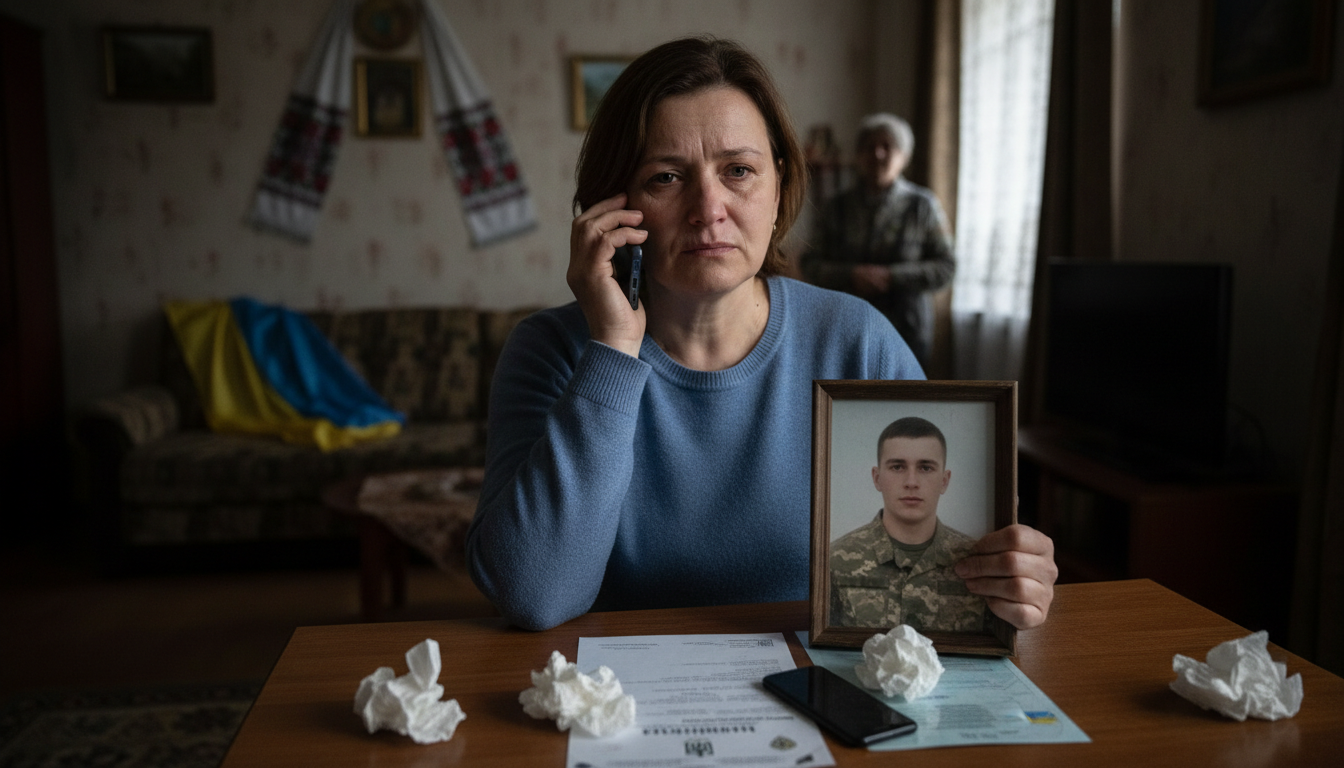
A growing number of mothers and wives of prisoners of war and missing people have reported receiving phone calls in Russian that attempt to extort or coerce them. Callers have used a calm, businesslike tone while warning that a refusal to cooperate would be met with a violent video showing their loved one suffering. One recorded message warned, "If you do not agree now to collaborate with me and my superiors, next week we will send you an interesting video."
Relatives describe the calls as calculated psychological pressure intended to force compliance or silence. Calls often claim knowledge of the whereabouts of the detained or missing, and some demand that family members pass along information, sign statements, or refrain from public appeals.
Banner in Kyiv Highlights Thousands Unaccounted For
Families in Kyiv continue to press for answers about prisoners and missing persons, staging public displays to maintain visibility. In early April, relatives held a 380-meter-long banner showing photographs of roughly 12,600 prisoners of war and missing people, underscoring the scale of unresolved cases. The banner was photographed in Kyiv on April 6, highlighting the persistence of grassroots efforts to locate loved ones and document losses. (Photo by Eiji Furukawa.)
The public displays serve both as a memorial and a demand for information, drawing attention from local media and human rights observers. For many families, the banner is a way to counteract isolation and to keep political and judicial pressure on officials to pursue investigations.
Tactics Describe Intimidation and Coercion, Relatives Say
Relatives and advocates describe a pattern in which callers mix threats with promises of help to create confusion and fear. Callers sometimes offer purported proof of life or false locations in exchange for cooperation, while threatening to release fabricated videos or images to force compliance. The recorded example offered by a recipient explicitly referenced "superiors," suggesting an organized effort to intimidate families.
Those targeted report that the calls often arrive after public appeals or protests, intensifying concern that the harassment is retaliatory. The combined use of deception, threats of graphic content, and demands for collaboration has left families fearful of making public statements or pursuing legal remedies.
Authorities and Rights Groups Seek Information
Ukrainian officials have said they are investigating cases of threats and harassment, though family members report uneven progress in gathering evidence and in identifying callers. Rights groups monitoring the conflict have warned that coercive phone campaigns could amount to a form of psychological warfare aimed at undermining civil society and dissuading families from seeking accountability. Investigations by independent organizations are also attempting to document the frequency and content of such calls.
International humanitarian and human-rights law specialists note that efforts to coerce relatives or manipulate the families of detainees raise complex legal and protection issues. Observers are calling for clearer procedures to protect victims, secure communications records, and pursue those responsible through available legal channels.
Legal and Humanitarian Concerns Raised
Humanitarian experts stress that prisoners of war and missing persons are entitled to protections under international law, including the right not to be subjected to torture or degrading treatment and the right of families to receive information. Coercion of relatives to obtain collaboration or silence may contravene established protections and could expose victims to further harm. The alleged use of threatening videos or the threat of mutilation as leverage is particularly troubling to legal analysts.
Beyond legal breaches, the tactics reported by families have significant humanitarian consequences, including prolonged uncertainty, mental health strain, and impediments to obtaining basic information about the fate of loved ones. Family members who are intimidated into silence risk losing access to potential avenues for tracing or negotiating for detained relatives.
Families Continue Public Appeals Despite Risks
Despite the threats, many families are pressing on with public appeals and symbolic actions to keep attention on the missing and detained. Demonstrations, banners, and media interviews remain central tools for relatives seeking transparency and pressure on authorities. Those who spoke publicly said they hoped visibility would offer some protection from coercion and make it harder for alleged perpetrators to act with impunity.
Support networks of relatives have formed to share information, document incidents and provide emotional support to those receiving threats. The public displays in Kyiv and coordinated appeals by families point to both the desperation and the resilience of communities affected by the Ukraine war.
Relatives, rights advocates and investigators say documenting each call and preserving any recordings or message traces is crucial to building cases and protecting families. Authorities and humanitarian organizations are being urged to prioritize protective measures for those reporting harassment while continuing efforts to clarify the status of prisoners and missing persons.

