
U.S. Defense Officials Press American Manufacturers on Weapons Production
U.S. defense officials have held high-level talks with American manufacturers about expanding weapons production, signaling a push to involve automakers and other domestic firms in arms manufacturing.
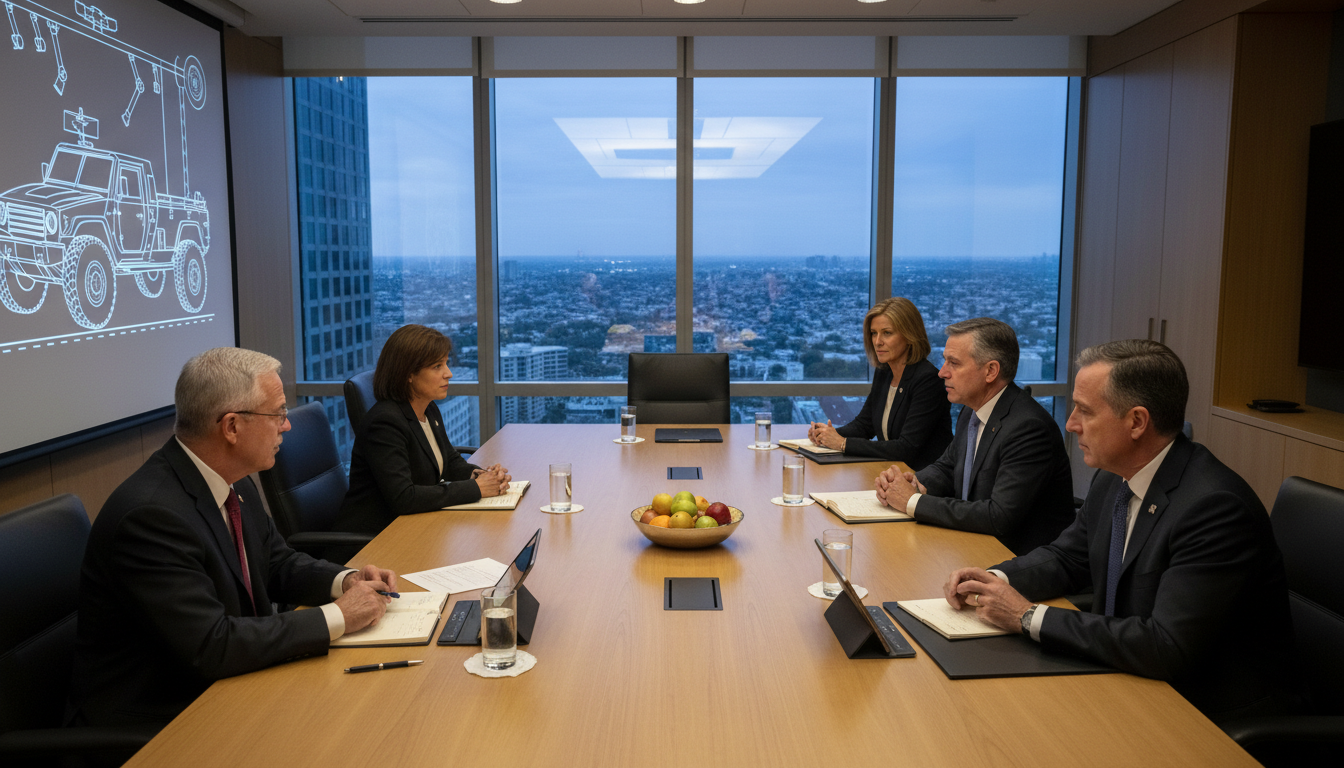
The meetings, attended by senior defense officials and top executives from major U.S. manufacturers, focused on whether civilian industrial capacity can be mobilized to produce weapons and other military supplies. Officials said the outreach aims to bolster surge production options and shorten supply chains for critical components as strategic competition intensifies.
Administration seeks American manufacturers for weapons production
Senior Pentagon representatives discussed concrete steps to involve American manufacturers in weapons production and related military supply chains. The talks are part of a broader effort by the administration to diversify sources of materiel and reduce reliance on foreign suppliers.
Officials described the initiative as a strategic move to ensure that the United States can rapidly scale production of munitions, electronics and other defense items if needed. The outreach emphasized using existing industrial capacity, including facilities in the automotive and heavy-equipment sectors, to meet peak demand.
Senior officials meet top executives from automakers and suppliers
Meetings included executives from major automakers, large industrial manufacturers and defense subcontractors to assess technical feasibility and potential timelines. Discussion items ranged from tooling and floor space to workforce retraining and certification requirements.
Executives were reportedly asked to identify products and facilities that could be adapted for military production with minimal retooling. Officials also sought private-sector input on lead times, raw material access and potential public–private cost sharing to accelerate conversion.
Assessment of manufacturing capacity and conversion costs
Defense officials requested detailed inventories of plant capabilities along with estimates of conversion costs and schedule impacts. The government is evaluating which segments of the manufacturing base — such as stamping, machining or electronics assembly — could be repurposed quickly.
Analysts say converting civilian lines to produce weapons often requires substantial investment in jigs, testing equipment and hardened supply chains. The administration’s approach appears to be to identify near-term wins that minimize disruption while planning longer-term investments to increase resiliency.
Supply chain, labor and certification hurdles identified
Participants highlighted persistent supply chain bottlenecks for specialty metals, semiconductors and precision components necessary for many military systems. Securing those inputs, officials acknowledged, will be as important as the physical conversion of production lines.
Labor availability and the need for specialized certifications were raised as additional constraints. Several companies said they would need government support for workforce training and expedited quality-assurance processes to meet military specifications.
Industry response and commercial considerations
Industry leaders expressed cautious interest but underscored commercial risks, including contract certainty and appropriate compensation for conversion and production. Executives pressed for clarity on purchase commitments and timelines before committing capital or reallocating capacity.
Manufacturers also noted potential impacts on civilian supply and sales if plants shift to defense work, and urged phased programs that protect existing commercial relationships. Many firms signaled willingness to cooperate, particularly if paired with clear procurement guarantees and cost-sharing measures.
Procurement incentives and regulatory options under review
Officials discussed a range of policy tools to encourage participation, from advance purchase agreements and loan programs to tax incentives and regulatory waivers. The administration is considering mechanisms to provide guaranteed demand that would justify private-sector investments.
Regulatory adjustments to speed certification and allow temporary repurposing of civilian facilities were also on the table. Defense planners emphasized that any incentives must balance speed with oversight to ensure quality and accountability in weapons production.
While no formal agreements were announced, participants said the exchanges marked the start of more detailed technical and legal discussions. Both sides expect follow-up meetings to map capacity, define pilot projects and identify funding pathways.
Observers caution that mobilizing large segments of civilian industry for weapons production will take time and careful management. Converting plants, securing materials and training workers are complex tasks that require coordinated government support and transparent contracting practices.
The administration’s outreach to American manufacturers reflects a shift toward leveraging civilian industrial strength for national security needs, and signals potential changes in procurement strategy to secure critical military supplies.

