
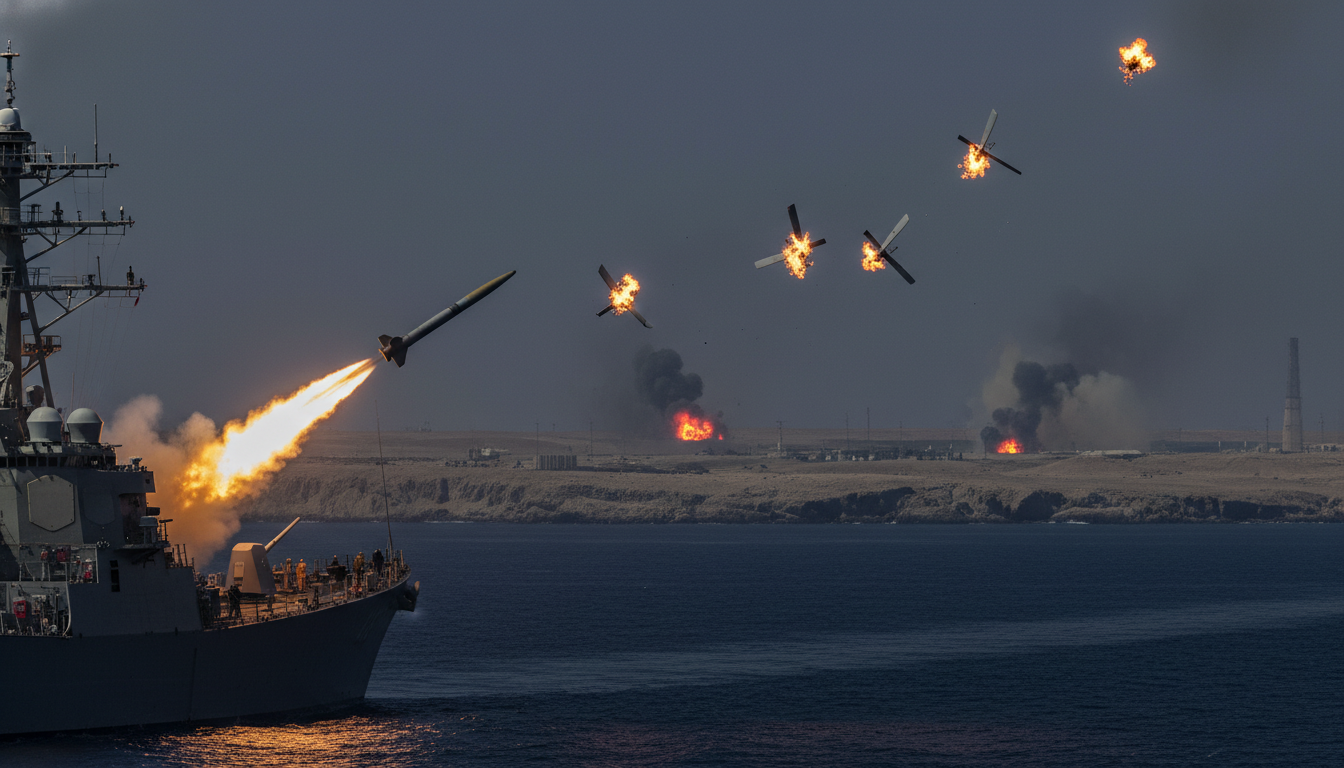
U.S. Strikes Iranian Military Sites and Shoots Down Four Drones Near Strait of Hormuz
U.S. strikes Iranian military sites and shoots down four drones near the Strait of Hormuz on May 27, 2026, in a defensive operation aimed at preserving a fragile ceasefire.
U.S. forces carried out strikes on Iranian military positions and shot down four Iranian one‑way attack drones on May 27, 2026, the U.S. military said, describing the action as a measured, defensive step intended to protect American forces and commercial shipping around the Strait of Hormuz. The operation, which Washington said also targeted a ground control station in southern Iran that was preparing to launch a fifth drone, occurred amid ongoing, fragile negotiations to end weeks of open hostilities. (apnews.com)
CENTCOM Statement on Defensive Action
U.S. Central Command characterized the strikes as “measured” and “purely defensive,” saying they were taken to maintain the ceasefire and protect U.S. service members and maritime traffic. CENTCOM officials said the drones posed an imminent threat around the entrance to the Strait of Hormuz and that the strikes were limited in scope. (axios.com)
Pentagon spokesmen emphasized that the United States did not seek to escalate the conflict, but would act to eliminate immediate threats when necessary. The statement followed a pattern of tit‑for‑tat clashes in recent weeks that officials say have tested a ceasefire put in place in April as diplomats pursue a negotiated settlement.
Strike on Bandar Abbas Ground Control Facility
U.S. forces struck a ground control site near Bandar Abbas in southern Iran that they said was about to launch another attack drone, according to U.S. officials. The attack on the control station was intended to preempt what the military described as an imminent hostile launch that could have endangered both coalition vessels and neutral commercial shipping. (apnews.com)
Iranian state media reported explosions near Bandar Abbas and some local outlets claimed casualties among Revolutionary Guard personnel, though official Tehran statements sharply condemned the strikes as violations of the truce. Independent confirmation of casualties in the area was not immediately available.
Context of a Strained Ceasefire and Ongoing Talks
The May 27 action came as diplomatic channels remained active to secure a more permanent end to fighting that has disrupted shipping and raised global energy market concerns. Negotiators from both sides have held rounds of talks in recent weeks, but progress has been uneven and punctuated by periodic military responses. (investing.com)
President Donald Trump, speaking around the time of the action, continued to frame negotiations in terms of leverage and insistence that the United States would use force if necessary, even as he said talks were advancing. U.S. officials have privately described the diplomacy as volatile, with each side watching for signs that the other intends to honor a truce.
Implications for Shipping and Regional Security
The Strait of Hormuz, through which roughly one‑fifth of the world’s oil and gas typically transits, remains the central flashpoint for the confrontation. U.S. officials said protecting commercial navigation was a key rationale for the strikes, citing repeated Iranian attempts to disrupt shipping or to challenge vessels transiting the waterway. (axios.com)
Maritime insurance costs and energy markets responded to renewed clashes earlier in the month, and analysts warn that any sustained escalation around the strait could further ripple through global supply chains and commodity prices. Regional governments and shipping companies continue to alter routes and security postures in response to the instability.
U.S. Sanctions and Diplomatic Pressure Following Strikes
In parallel with the military action, the U.S. administration announced new sanctions targeting an Iranian agency involved in efforts to control shipping through the Strait of Hormuz, part of a broader economic campaign to increase pressure on Tehran. Officials described sanctions as a complement to kinetic steps, intended to narrow Iran’s options while keeping a path for diplomacy open. (apnews.com)
Diplomats in allied capitals expressed concern that simultaneous military and financial pressure could harden positions and complicate negotiations, even as some partners welcomed measures designed to keep sea lanes open.
Reaction and Next Steps
Iran condemned the strikes as a breach of the ceasefire and pledged to respond through appropriate channels, while U.S. allies called for restraint and urged renewed diplomatic engagement to prevent a wider conflagration. International organizations and regional players have pressed both sides to preserve the truce and return negotiators to the table with urgency. (apnews.com)
U.S. military leaders said they remain prepared for further defensive actions if required and that forces in the region will continue to escort commercial shipping and monitor Iranian launches. Diplomats indicated another round of talks could take place in the coming days if both sides demonstrate willingness to de‑escalate.
The May 27 strikes underscore the fragile balance between military containment and negotiation as Washington and Tehran jockey for leverage, with the safety of merchant vessels, regional stability, and the prospects for a negotiated end to hostilities all hanging in the balance.

