
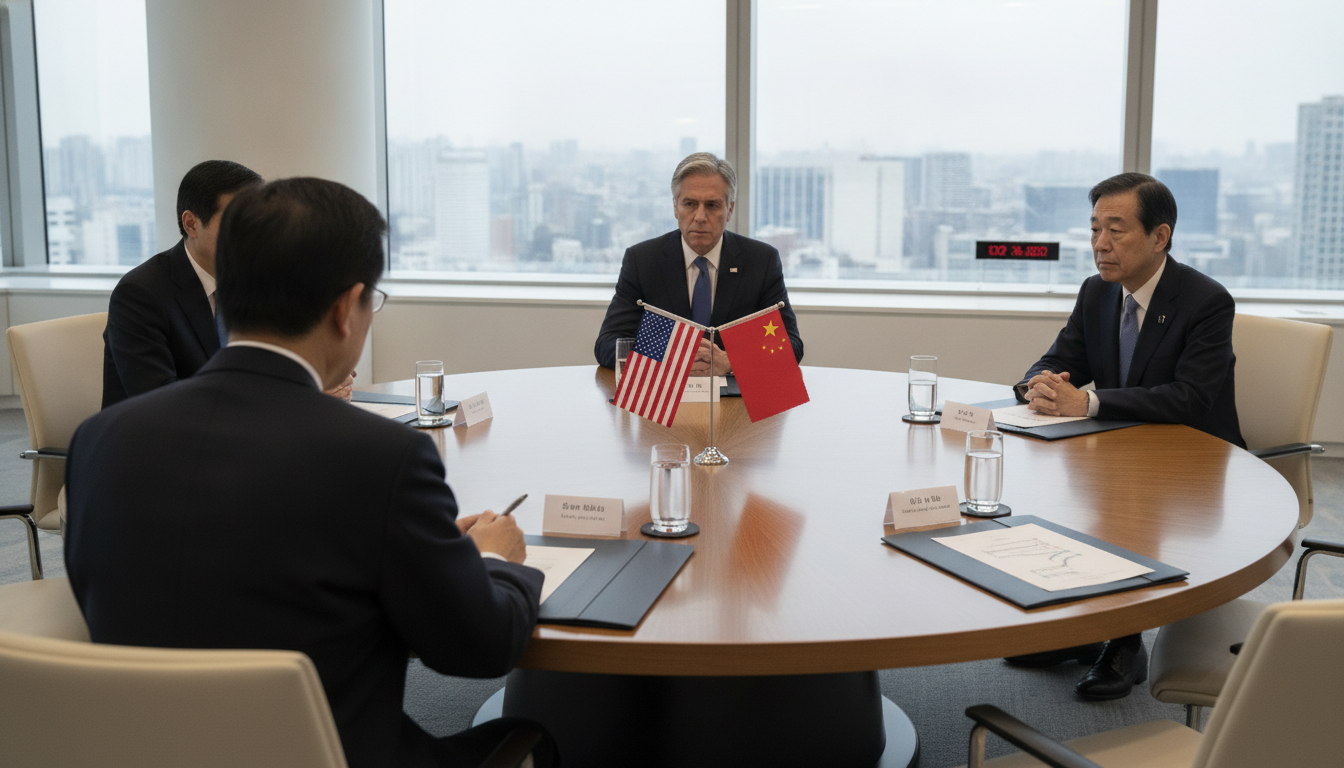
US Urges China to Resume Rare-earth Exports to Japan Amid Supply Chain Alarm
Washington presses Beijing to lift restrictions on rare-earth exports to Japan as fears grow over shortages that could disrupt global high-tech manufacturing.
Beijing’s export curbs on rare-earth materials have increasingly strained supply lines for Japanese high-tech manufacturers, prompting the Trump administration to ask China to resume shipments, Nikkei reported. (marketscreener.com)
U.S. Diplomatic Push to Restore Flows
The United States has formally urged China to restart rare-earth exports to Japan, according to reporting that cites Japanese business sources. The intervention reflects Washington’s recognition that disruptions in supplies of dysprosium, terbium and other heavy rare earths could ripple through allied industrial and defense supply chains. The diplomatic approach signals a preference for negotiation over immediate retaliatory measures to prevent wider market dislocation. (marketscreener.com)
Timeline of Beijing’s Export Controls
China announced tightened controls on exports of dual-use items to Japan in early January 2026, a move that included restrictions relevant to certain rare-earth materials. The controls followed heightened political tensions between Beijing and Tokyo and were framed by Chinese authorities as a response to developments they judged could enhance Japan’s military capabilities. The January measures and subsequent licensing slowdowns triggered concerns across affected industries. (apnews.com)
Concentration of Supply and Japan’s Vulnerability
Japan remains heavily dependent on Chinese rare-earth imports for specific heavy elements and processed compounds used in magnet manufacturing and precision electronics. Industry data and trade records show sharp drops in shipments to Japan in late 2025 and early 2026, prompting manufacturers to reassess production schedules and inventory buffers. Analysts warn that even partial or prolonged interruptions could raise costs and delay shipments of components central to automotive, robotics and aerospace sectors. (japantimes.co.jp)
Washington’s Strategic Concerns
U.S. officials view disruptions to rare-earth flows not only as a commercial issue but as a strategic risk that could undermine allied defense production and critical technology manufacturing. The White House pressure on Beijing reflects broader efforts to shore up alternative sources, accelerate domestic processing capacity and coordinate partner nations’ supply strategies. U.S. trade and security documents note that export controls and concentration of processing capacity pose systemic risks that require both short-term relief and long-term diversification. (ustr.gov)
Industry Responses and Market Adjustments
Japanese and international manufacturers have accelerated moves to diversify supply, invest in recycling and stockpile key inputs since the first export curbs were signaled. Companies are expanding partnerships with producers in Australia and Southeast Asia and increasing investment in separation and magnet-making capacity outside China. At the same time, firms say substitutions and new supply chains will take months to years to scale to the volumes required by auto and electronics industries. (ustr.gov)
Diplomatic Stakes Ahead of Multilateral Meetings
The rare-earth issue is expected to figure in upcoming diplomatic discussions among G7 and Indo-Pacific partners, where allies will weigh collective measures to stabilize supplies and reduce risky dependencies. Washington’s appeal to Beijing aims to avert immediate shortages while allied ministers and industry representatives press for coordinated long-term solutions. Observers say success will depend on a mix of diplomacy, financing for alternative projects and pragmatic trade arrangements. (marketscreener.com)
The shortfall of critical elements has already prompted emergency planning at both corporate and government levels in Tokyo and Washington, reflecting how tightly integrated technology supply chains have become. Restoring predictable rare-earth flows to Japan would ease immediate production pressures, but officials and executives alike stress that rebuilding resilient, diversified supply networks is the necessary response to repeated disruptions.

