
Beards Harbor More Bacteria Than Dog Fur, Study Finds — MRI Hygiene in Question
New European Radiology study finds beards carry higher bacterial loads than dog fur, prompting questions about MRI hygiene and everyday grooming practices.
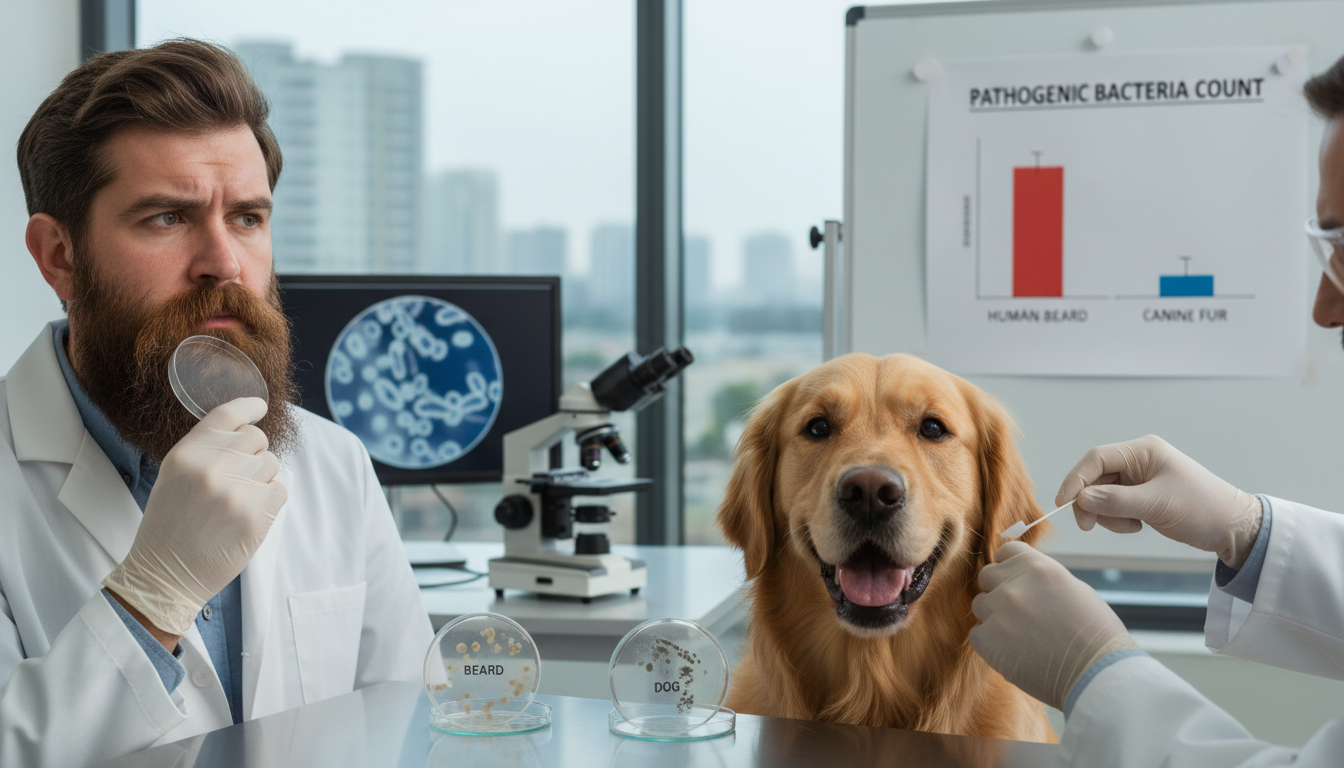
A multicenter study published in European Radiology has concluded that beards frequently harbor higher bacterial loads than dog fur, raising fresh questions about hygiene in clinical settings and routine grooming. The research, which directly compared microbial counts on the beards of men and the necks of dogs, found beards consistently carried greater numbers of bacteria and a higher proportion of potentially pathogenic organisms. The findings have immediate relevance for procedures that share equipment across species, such as occasional veterinary use of human MRI scanners, and for public conversations about facial-hair hygiene.
European Radiology study compares men’s beards with canine fur
The research, titled to examine whether dogs and humans can safely use the same MRI equipment, sampled 18 men with beards and 30 dogs of various breeds, focusing on the neck region for dogs and facial hair for humans. Investigators measured microbial loads directly on skin and fur, and they also compared bacterial debris found on MRI equipment after scans. The study was designed to address practical concerns in veterinary practice, where access to dedicated animal MRI scanners is limited and clinicians sometimes rely on human facilities.
Sampling approach and measurements used in the study
Researchers collected swabs from beards, dog necks and relevant areas of the oral cavity, then quantified total microbial counts and identified the presence of potentially pathogenic species. The team also assessed contamination left on MRI surfaces after canine and human scans to evaluate real-world transfer risk. By combining direct sampling with environmental measures, the study aimed to produce a practical assessment of relative hygiene risks rather than a theoretical microbial inventory.
Key results: higher bacterial loads and more pathogens in beards
According to the report, 100 percent of beards sampled showed high microbial counts, while 23 of the 30 dog neck samples registered elevated counts. The analysis found a larger share of potentially pathogenic organisms on human beards—reported as roughly 39 percent—compared with about 13 percent in dog neck samples. Environmental sampling indicated that dogs left less bacterial residue on MRI equipment than humans, and oral samples from the human participants showed higher microbial presence than those taken from the dogs.
How this fits with earlier, conflicting research
The new findings sit alongside a patchwork of earlier studies that reached divergent conclusions about facial hair and hygiene. Some past reports swabbed beards and reported troubling presences, including fecal-associated bacteria, while other investigations—particularly in hospital-worker cohorts—have found lower contamination on bearded faces than on clean-shaven ones, possibly owing to microtrauma from shaving. Large population comparisons have also shown little consistent difference between bearded and bare chins when it comes to routine bacterial colonization. The mixed evidence suggests that context, sampling methods and population characteristics matter greatly.
Behavioral drivers: grooming habits and their influence on bacterial burden
Hygiene practices appear to be a major variable behind the differing study outcomes. Self-reported surveys have indicated a substantial minority of men do not wash or regularly shampoo their beards, a pattern that would be expected to increase microbial accumulation. Frequency of washing, exposure to food and environmental contaminants, and personal grooming tools all influence the microbial community that accumulates in facial hair. In short, beard care practices may be more important to bacterial load than the mere presence of hair.
Practical implications for MRI use and public guidance
For hospitals and imaging centers that occasionally host veterinary scans, the study suggests scheduling and cleaning protocols should consider human-sourced contamination as well as animal sources. Routine surface decontamination remains essential after both human and canine procedures, but the report indicates policies should not assume dogs are the primary contamination risk. For the public, the research reinforces basic grooming advice: regular washing and appropriate beard care reduce accumulated debris and lower the chance of transferring microbes to shared surfaces.
Facial hair remains a matter of personal style and cultural preference, and the scientific picture is not definitive enough to equate beards universally with poor hygiene. Still, when shared equipment or close-contact procedures are involved, both institutions and individuals can take straightforward steps—improved cleaning protocols at facilities and consistent beard-washing at home—to reduce potential microbial transfer. If your pet needs an MRI, it is reasonable to ask imaging staff about recent use and cleaning practices; if you wear a beard, regular shampooing and mindful grooming are simple, evidence-aligned measures to lower bacterial buildup.

