
Summer savings: How 100-yen stores are shaping Tokyo’s summer interiors and social scene
Discover how 100-yen stores are driving summer home styling and budget socializing across Tokyo, from DAISO’s variety to rustic tableware and the new 100-yen bar trend.
Summer shopping trend takes hold across Tokyo
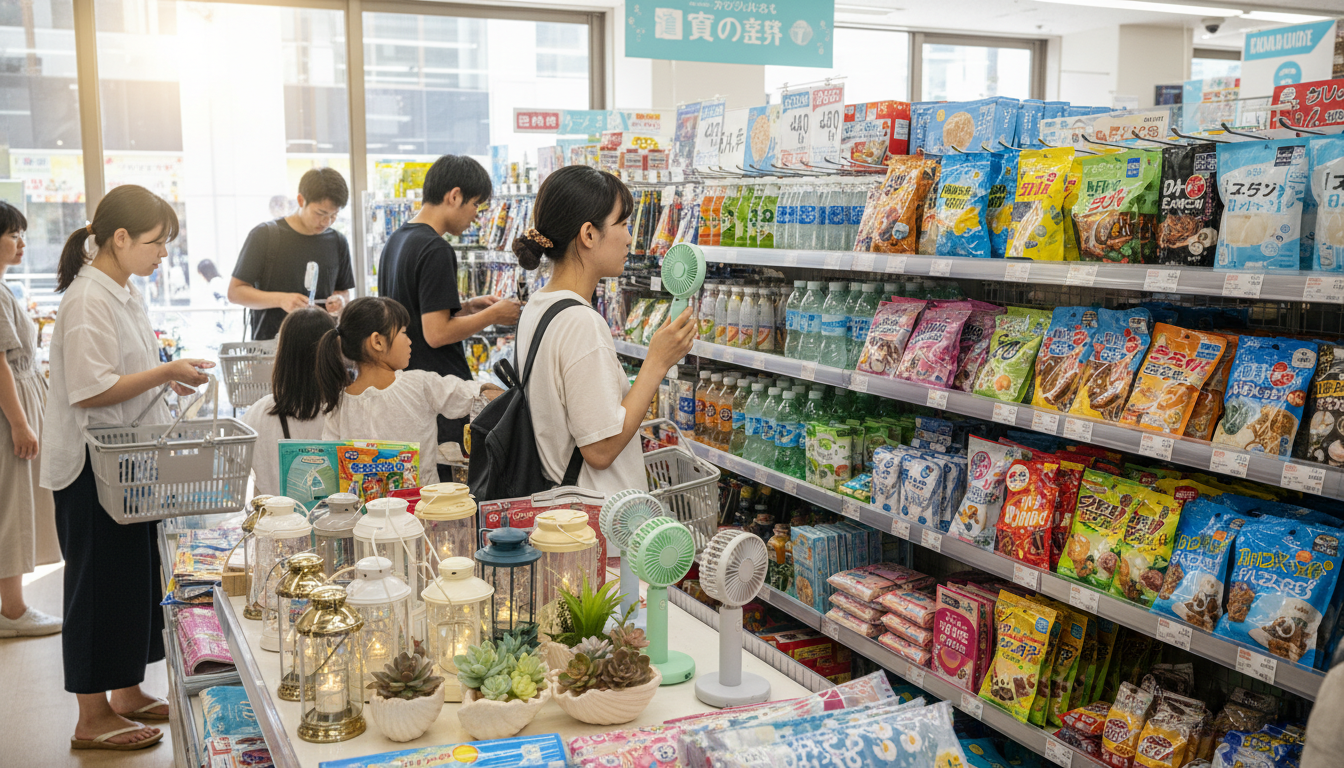
Summer in Tokyo is prompting residents to refresh their homes and social routines without overspending, and 100-yen stores have emerged as a clear go-to. Shoppers seeking seasonal decor, picnic supplies and casual entertaining goods are increasingly turning to these outlets for value and variety. Retailers that sell items for ¥100 offer an accessible way for families, students and young professionals to experiment with new looks and low-cost gatherings as temperatures rise.
Retail analysts and store managers report steady foot traffic in June and July, with customers focusing on lighter textiles, outdoor tableware and compact storage solutions. The surge is not limited to traditional bargains: consumers are searching for distinctive design touches that fit small urban spaces. As a result, several chains and niche shops have been promoting summer-specific lines and limited-run items that pair affordability with a contemporary aesthetic.
DAISO remains the central draw for variety and novelty
DAISO continues to hold a dominant position among 100-yen retailers, drawing shoppers for its breadth of product categories and frequent turnover. The chain’s widespread presence across the city makes it a convenient stop for quick purchases, while larger flagship locations showcase seasonal displays and curated selections. Many customers describe DAISO as the place to find unexpected solutions — from compact kitchen gadgets to decorative items that punch above their price point.
Store staff emphasize rapid replenishment of bestselling items during the summer months, especially in sections for outdoor dining and summer cleaning supplies. The chain’s model of high SKU counts at a uniform price supports impulse buying and experimental decorating. For visitors unfamiliar with 100-yen shopping culture, DAISO is often recommended as the entry point because it combines predictability with the potential for surprising discoveries.
Natural Kitchen brings rustic tableware to summer dining
Natural Kitchen has carved out a reputation for simple, rustic tableware that appeals to those looking to style summer meals affordably. The shop focuses on homeware and dining items with a neutral palette and handmade feel, offering plates, glasses and linens that can elevate a casual gathering. Its approach is intentionally restrained, catering to shoppers who prefer a subdued aesthetic over brightly colored novelty goods.
Designers and lifestyle editors note that Natural Kitchen’s pieces translate well for outdoor picnics and balcony dinners, where cohesive table settings make small gatherings feel more intentional. Because many items adhere to minimalist trends, customers mixing pieces from multiple stores can achieve a curated look without a large budget. The brand’s seasonal rotations also respond to summer entertaining needs, emphasizing lightweight materials and stackable designs for easy storage.
HIYAKU STYLE and the rise of the 100-yen bar concept
A newer development in Tokyo’s budget scene is the emergence of 100-yen bar concepts, exemplified by establishments like HIYAKU STYLE. These venues borrow the low-price ethos of 100-yen stores and apply it to social drinking, offering most menu items at around ¥100. The model appeals to younger patrons and groups seeking casual after-work or weekend outings without the premium costs associated with traditional izakaya.
Operators of these bars focus on streamlined service and small-format spaces to keep overheads low, which allows them to pass savings to customers. While some locations operate with standing-room setups or limited seating, they compensate with rapidly rotating menus and value-driven promotions. The format has prompted conversations within the hospitality sector about new low-cost experiences that blend retail pricing psychology with food and beverage service.
How shoppers are styling interiors on a budget
Practical shoppers are using 100-yen stores to assemble summer-ready interiors through a mix-and-match approach that emphasizes function and form. Popular strategies include layering textiles, swapping out small decor elements and creating season-specific vignettes on shelves and tables. Because 100-yen stores frequently stock complementary items like twine, clips and lightweight planters, customers can complete small DIY projects in a single trip.
Interior stylists recommend focusing on a few focal points — such as a balcony table, entry console or a compact shelf — and then selecting three to five coordinated items to avoid cluttered results. Colour consistency, even in neutral hues, helps smaller purchases appear intentional and cohesive. Many shoppers report that the low cost of trial purchases encourages creativity; if a piece does not work in one spot, it can be repurposed elsewhere without regret.
Practical tips for summer shopping at 100-yen stores
Planning ahead makes summer shopping at 100-yen stores more efficient and productive, especially during busy weekend periods. Start with a short list of needs — for example, napkins, lightweight storage bins and portable drinkware — and check larger flagship stores for the best selection. Weekday mornings often yield the least crowded conditions and the freshest stock for seasonal items.
Buyers should inspect small household goods for quality details such as seams, fastenings and heat resistance when items will be used outdoors or in the kitchen. For craft and plant projects, selecting durable materials will extend the useful life of purchases beyond the season. Returning customers also advise comparing sizes in-store, as photos and labels do not always convey true proportions for tableware and storage solutions.
Where to find the best 100-yen selections in the city
While national chains provide wide distribution, several neighborhood locations are noted for particularly strong summer inventories. Larger urban branches and central shopping district stores tend to receive higher volumes of new merchandise and seasonal rollout items. Specialty outlets and curated 100-yen shops, meanwhile, focus on a narrower range of goods that often align with current interior trends.
For residents and visitors, exploring a mix of major chains and smaller concept stores yields the broadest variety. City planning consultants suggest pairing a visit to a flagship chain with stops at at least one boutique-style shop to capture both novelty and refined aesthetics. Public transport access and operating hours vary by neighborhood, so shoppers are advised to confirm local schedules if seeking specific items on tight timelines.
Local reactions and the economic angle
Consumers interviewed across the city cite affordability as the primary draw, but they also emphasize quality improvements in many 100-yen categories. As living spaces remain compact and households look to maximize utility, the ability to refresh interiors inexpensively resonates widely. Retail economists note that the low-price sector acts as a pressure valve for discretionary spending, offering outlets for consumption that would otherwise be deferred.
Small business owners in complementary sectors, such as thrift stores and independent cafes, report mixed effects: some see increased foot traffic nearby as shoppers combine errands, while others face greater competition for impulse purchases. Municipal officials monitoring retail patterns view the rise in budget-driven decorating and casual socializing as consistent with broader urban lifestyle shifts toward flexibility and cost-conscious leisure.
Event planning and seasonal uses for 100-yen finds
Community groups, schools and neighborhood associations are increasingly using 100-yen stores as resource centers for event supplies during summer festivals and gatherings. Affordable paper goods, disposable tableware and decorative accents make it feasible to organize larger events on limited budgets. Volunteer coordinators and event planners appreciate the convenience of sourcing cohesive, low-cost kits for single-day functions.
Beyond public events, families preparing for summer holidays rely on 100-yen items for beach days, picnic setups and travel organization. Lightweight storage pouches, compact cutlery and inexpensive coolers are among the most frequently purchased travel-related goods. These functional purchases underscore the dual role of 100-yen stores as both style destinations and practical supply hubs.
Safety, sustainability and consumer considerations
As the popularity of 100-yen shopping grows, consumer advocates highlight the importance of safety and sustainability considerations. Shoppers are encouraged to check product labeling for material composition, heat tolerance and care instructions, particularly for kitchenware and items intended for food contact. Small appliances and items with electrical components should be inspected for safety certification where applicable.
From an environmental perspective, experts advise balancing low-cost consumption with mindful reuse and recycling. Many customers are adopting strategies that prioritize durable selections and repurposing, rather than single-use purchases. Some stores have begun to promote environmentally friendly product lines and reduced-plastic packaging during promotional seasons, reflecting growing demand for greener options.
What to expect in the weeks ahead
Retailers say they will continue rolling out summer-focused ranges through the core summer months, with staggered deliveries that bring new inventory into stores every few weeks. Shoppers can expect themed displays and limited-edition collaborations to appear as brands respond to seasonal trends and customer feedback. For those planning larger home refreshes, monitoring store restocks and following official announcements from major chains can yield opportunities to secure popular pieces.
City hospitality venues and casual food operators may also experiment further with low-cost service models that draw from the pricing logic of 100-yen retail. The blending of retail and social formats, such as bars offering menu items at near-retail prices, points to a period of experimentation in how urban dwellers spend on leisure. Analysts suggest that these developments will continue to shape summer routines and neighborhood dynamics across Tokyo.
This summer, Tokyo’s 100-yen stores present a low-risk way for residents to try new interior ideas and host casual gatherings without a large spend. By combining strategic shopping with simple styling techniques, households can achieve fresh, season-appropriate looks for balconies, small dining areas and shared living spaces. As the market adapts, shoppers who prioritize quality checks, mindful reuse and a mix of major and boutique retailers will likely find the best balance between economy and lasting value.

