
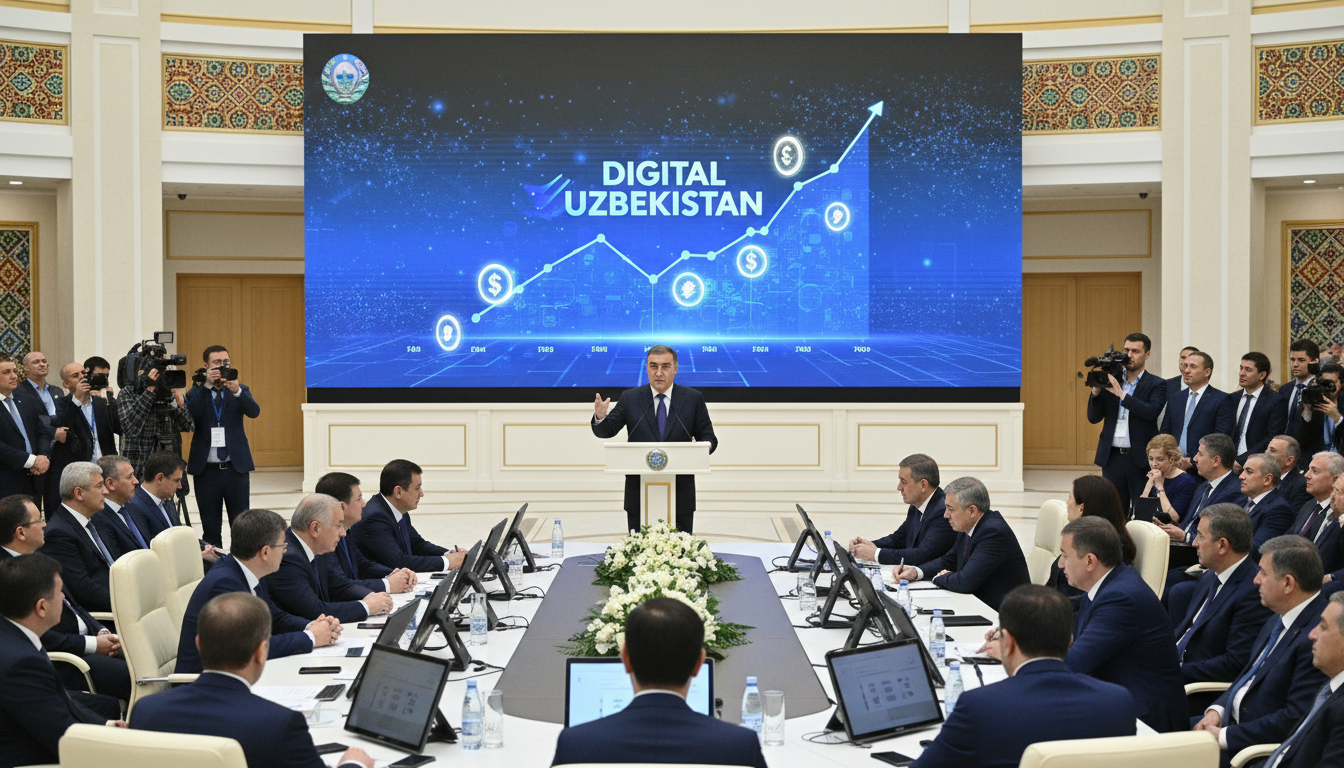
Uzbekistan cash ban aims to pull $41bn shadow economy into digital payments, but hurdles remain
Uzbekistan cash ban announced in April 2026 targets key purchases to expand digital payments and trace commercial activity, while Tencent-backed Uzum and other platforms move to formalize traders.
The measure is part of a broader government effort to reduce an estimated $41 billion shadow economy and boost tax collection, but officials and business groups acknowledge major practical and cultural obstacles.
Market traders in Tashkent and beyond, who often transact in cash, face rapid adjustments as regulators and private fintechs push for digital onboarding.
New regulation bars cash for specified purchases
The government introduced rules in April 2026 restricting cash payments for a list of high-value goods and services to encourage electronic transactions.
Officials say the regulation is intended to widen the digital footprint of commerce, enable traceability of sales and widen the tax base.
Enforcement measures accompanying the rule include higher reporting requirements for businesses and penalties for repeated noncompliance, according to government statements.
Analysts warn about the size of the informal sector
Economists and market observers point to a substantial informal economy that analysts estimate at roughly $41 billion, complicating rapid migration to digital channels.
That shadow economy encompasses small retail outlets, local services, and many market traders who lack formal registration or access to bank accounts.
Moving transactions online will require addressing gaps in financial access, digital literacy and the incentives that keep cash circulating in everyday trade.
Tencent-backed Uzum and private platforms push digital adoption
Private sector players, including the Tencent-backed superapp Uzum, have ramped up efforts to onboard merchants with bundled services aimed at small businesses.
Uzum and similar platforms are positioning themselves as one-stop ecosystems offering payments, logistics, inventory tools and access to credit to encourage merchants to formalize.
Companies argue that a robust superapp model can lower the friction of going digital by combining payment acceptance with services that add business value.
Street-level realities: cash culture in Tashkent markets
On the ground in Tashkent, many vendors continue to prefer cash for speed and familiarity, and for customers who lack bank cards or smartphone access.
Market stalls, informal services and small workshops often operate on thin margins and say transaction fees, hardware costs and data connectivity pose immediate barriers.
Traders also cite trust issues: many customers and sellers distrust formal channels or prefer the anonymity that cash affords, especially in cross-border or seasonal trade.
Compliance, enforcement and the risk of unintended consequences
Policymakers face a difficult balance between strict enforcement and supporting voluntary adoption through incentives and infrastructure investment.
Heavy-handed penalties could push more activity further underground if alternatives are not affordable or accessible, critics warn.
Conversely, successful integration of digital tools could increase transparency, broaden tax revenues and improve access to financial services for small enterprises.
Economic implications and the road to formalization
If the policy succeeds, the government and private platforms could see a rise in recorded economic activity and tax receipts, reshaping financial intermediation in Uzbekistan.
Yet progress will likely be uneven, with urban merchants more able to adopt digital payments than rural sellers who lack connectivity or banking access.
International investors and development partners may view formalization as a positive sign, but sustained gains will depend on clear implementation timelines and support measures.
The unfolding transition highlights the complex interplay between policy, technology and local commerce as Uzbekistan seeks to modernize transactions and reduce a large informal economy.

