
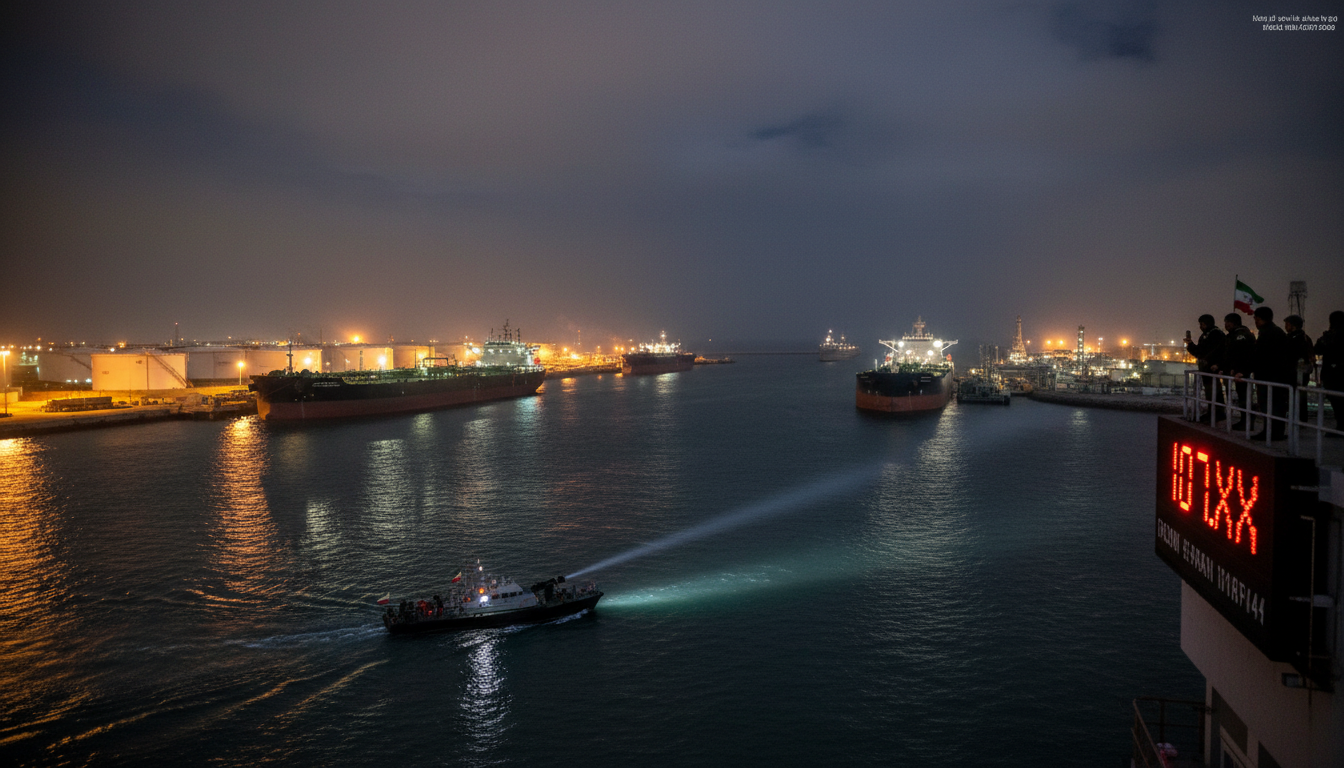
Tensions Rise as Strait of Hormuz Blockade, Lebanon Exchanges Keep Oil and Shipping on Edge
Strait of Hormuz blockade and Lebanese cross-border fighting keep oil above $107, threaten shipping lanes and spur urgent diplomacy between Iran, Russia and Western officials.
The Strait of Hormuz blockade and ongoing cross-border exchanges in Lebanon have pushed oil prices higher and heightened risks for international shipping, while diplomats from Tehran to Moscow intensify talks to defuse broader regional escalation. Tracking data and government statements show Iran continuing to move substantial oil volumes despite the blockade, and Western navies and maritime agencies warn that commercial traffic remains vulnerable. Simultaneous exchanges of fire across the Israel-Lebanon frontier have damaged infrastructure and complicated efforts to reach a ceasefire, leaving markets and insurers on alert.
Araghchi arrives in Moscow for high-stakes talks
A senior Iranian envoy, Saeed Araghchi, landed in Moscow this week for discussions with Russian leaders about the wider conflict and possible diplomatic pathways. Russian officials framed the meetings as part of a coordinated effort to manage regional dynamics amid renewed hostilities. Observers say the talks aim to bridge positions between Tehran and Moscow while opening channels with other regional actors to reduce immediate military risks.
The timing of the visit coincides with reported proposals to reopen critical maritime routes, and diplomats on all sides described the exchanges as urgent. Moscow’s role as interlocutor is being watched closely by European capitals, which have limited direct contact with Tehran amid ongoing tensions. Analysts say progress in Moscow could shape whether additional international mediation follows.
Strait of Hormuz blockade: proposals and maritime risks
A proposal reportedly routed through Pakistan seeks to end the blockade of the Strait of Hormuz and reopen shipping, according to briefings cited by international media outlets. The Strait of Hormuz remains the focal point for shipping concerns because roughly a fifth of global oil trade passes through it in normal times. Commercial insurers and shipping companies have already raised premiums and re-routed some traffic to avoid high-risk areas.
The UK Maritime Trade Operations unit reiterated its warning that Gulf waters continue to pose threats to merchant vessels, citing recent incidents and the potential for miscalculation. In parallel, the United States has intercepted and turned back dozens of ships attempting to enter Iranian ports, underscoring the logistical and legal complexities confronting maritime security operations. Shipping sources say delays and diversions are increasing voyage times and costs for carriers and charterers.
Oil exports, prices and tracking data
Despite the blockade, tanker-tracking data show Iran moved an estimated 4.6 million barrels of oil in recent weeks, highlighting how sellers and brokers have adapted to sanctions and operational constraints. Market participants say these flows, while significant, have not alleviated broader supply concerns given ongoing disruptions and the potential for further escalation. Crude prices have stayed above $107 per barrel as traders price in geopolitical risk alongside tight physical markets.
Energy analysts note that the combination of physical disruptions in the Gulf and heightened insurance costs for vessels has real effects on refined product availability and consumer prices downstream. Countries that rely on shipments through the Strait of Hormuz are exploring contingencies while traders watch diplomatic developments for signs of a de-escalation that could ease premiums. Analysts caution that even short-term interruptions can ripple through global markets given limited spare capacity.
US, diplomatic messaging and stalled negotiations
Washington has publicly resisted negotiating “through the media,” with officials saying sensitive diplomacy requires direct channels rather than public exchanges. US statements indicate talks remain stalled on several fronts even as back-channel and multilateral efforts continue. The dynamic has complicated attempts to coordinate a unified international response that balances deterrence and a path toward de-escalation.
At the same time, the presence of Russian-mediated conversations and third-party proposals reflects a fragmented but active diplomatic environment. Regional capitals, including Gulf states and Islamabad, have been engaged in shuttle diplomacy to reduce the immediate risk to commercial shipping and to prevent local flare-ups from widening. Diplomats caution that progress will require concrete actions to reopen maritime lanes and to constrain cross-border military activity.
Cross-border exchanges in Lebanon and infrastructure damage
Fighting along the Israel-Lebanon border has persisted despite intermittent ceasefire claims, with cross-border fire damaging power and water infrastructure in southern Lebanon. Israeli strikes have struck targets that officials described as military sites, while local authorities warn of civilian hardship as essential services suffer outages. Hezbollah reported using drones and missiles against Israeli forces, marking an elevated tactical profile in the clashes.
Humanitarian and municipal officials in southern Lebanon said repair crews are operating under difficult security conditions, slowing restoration work. The military exchanges add a separate layer of risk to the regional picture, complicating diplomatic calculations and increasing the likelihood of missteps that could expand the conflict. International organizations and nearby states have urged restraint and called for mechanisms to stabilize the border.
Global trade participants and insurers are watching both the Strait of Hormuz blockade and Lebanon exchanges for signs of escalation or containment. The combination of maritime disruption and land-based hostilities has created a complex risk environment that affects routing, insurance premiums, and the cost of fuel and freight. Commercial operators are updating contingency plans while governments weigh diplomatic and operational responses.
The situation remains fluid: oil markets and shipping lanes are reacting to developments on multiple fronts, and diplomats are intensifying contacts in an effort to reduce the immediate risks to commerce and civilian infrastructure. Continued monitoring by governments, maritime authorities and market participants will determine whether the current tensions subside or deepen in the days ahead.

