
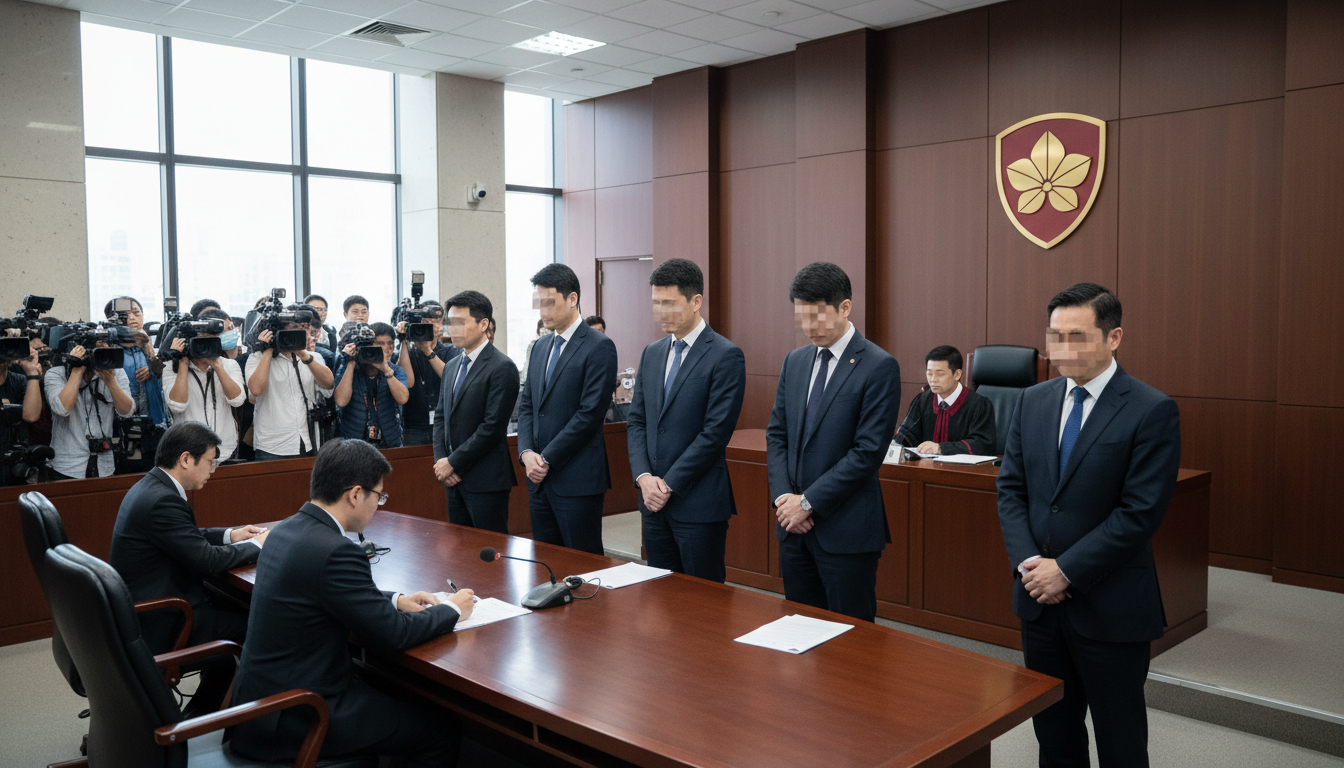
Tokyo Electron trade secrets case: Taiwan court fines unit $5m, jails five up to 10 years
Taiwan court fined Tokyo Electron’s local unit $5 million and sentenced five defendants, including a former TSMC employee, to prison terms up to 10 years in a major trade secrets case. The Tokyo Electron trade secrets case centers on allegations that sensitive TSMC chip technologies were obtained to influence equipment contracts.
Verdict and financial penalty
The New Taipei court delivered its ruling on April 27, 2026, imposing a $5 million fine on Tokyo Electron’s Taiwanese subsidiary and sentencing five individuals involved in the case. The penalties mark one of Taiwan’s most significant legal actions tied to the island’s semiconductor ecosystem and raise fresh attention on corporate conduct in the sector. Court documents cited both criminal sentences for individuals and a corporate sanction intended to address alleged commercial gains from the misconduct.
Details of the sentences
A former TSMC and Tokyo Electron employee, identified by prosecutors as a central defendant, received a 10-year prison term. Three other former employees connected to the case were handed prison terms ranging between two and six years, reflecting differing levels of alleged involvement. In addition, a former Tokyo Electron staff member was given a 10-month sentence that was suspended for three years, according to the court. Sentencing appears to have calibrated punishment to the roles and evidence produced against each defendant.
Allegations and investigation timeline
Prosecutors first announced indictments in August 2025, alleging that trade secrets were obtained unlawfully to strengthen Tokyo Electron’s competitiveness for orders from TSMC. The investigation examined internal communications, device logs and other materials to track the alleged transfer of proprietary process knowledge and tooling specifications. Authorities asserted the accused sought to use confidential technical information to influence procurement decisions and secure business advantages in a highly contested equipment market.
Charges under the National Security Act
The prosecution brought charges under Taiwan’s National Security Act, signaling that the authorities considered the alleged conduct to go beyond routine commercial theft. Officials argued that the targeted technology involved advanced processes for producing high-performance chips used in artificial intelligence and other strategic applications. By framing the case within national security legislation, prosecutors underscored the broader economic and strategic stakes tied to semiconductor know-how.
Corporate reactions and public statements
Tokyo Electron and TSMC did not immediately provide comments to the court’s announcement, and neither company issued public statements at the time of the ruling. Industry observers said both firms are likely to reassess compliance controls, staff movement policies and contract oversight in Taiwan and beyond. The case has prompted suppliers and customers to revisit confidentiality safeguards and contractual protections when sharing sensitive process information.
Implications for the semiconductor supply chain
The ruling could reverberate across the global semiconductor supply chain by intensifying scrutiny of vendor-client relationships and technology transfers. Suppliers that rely on close technical collaboration with chipmakers may face increased regulatory and legal risk when employees move between companies. Analysts note that Taiwan’s decisive legal handling signals a willingness to protect domestic technological advantages, which may affect how foreign and domestic firms negotiate equipment sourcing and technical cooperation.
Possible appeals and legal aftermath
Legal experts say appeals are likely, meaning the final disposition of fines and sentences may take months or years to settle through higher courts. Separate civil litigation and administrative probes into procurement irregularities or contract breaches could also follow, depending on parties’ choices. The outcome will be watched closely by corporate counsel and compliance teams, who may adjust hiring practices, non-compete enforcement and internal audit procedures in response.
The Tokyo Electron trade secrets case highlights the intersection of commercial competition, national security concerns and the strategic importance of chipmaking know-how. As companies and regulators digest the ruling, the semiconductor industry is likely to see renewed emphasis on data protection and legal risk management across Taiwan, Japan and other key markets.

