
Subashiri roadside station operator faces legal action after continuing unauthorized operations
Town to sue operator after Kankō Kaihatsu continued running Michi-no-eki Subashiri without permission following contract expiry in April 2026.
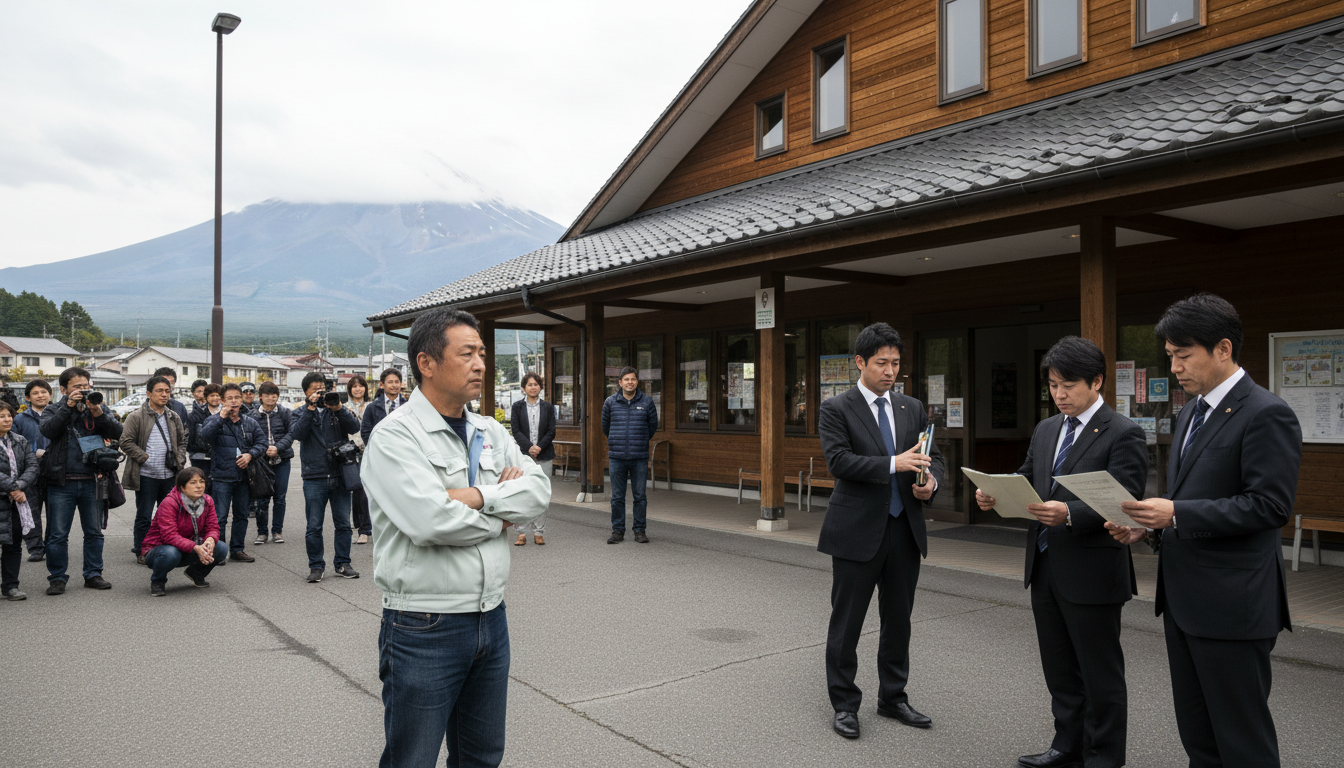
The town of Oyama, Shizuoka, has announced plans to sue the local operator of the Subashiri roadside station after the company continued running the facility without authorization following the expiration of its management contract in April 2026. Mayor Masahide Komiyama described the situation at a press briefing on April 28, 2026, as an "illegal occupation" of the Michi-no-eki Subashiri site and said the town had exhausted negotiations to secure an orderly handover.
Mayor says he sought negotiation but will move to court
Mayor Komiyama told reporters he has long-standing personal familiarity with the president of the local firm known publicly as Kankō Kaihatsu, and that the town initially aimed to resolve the dispute through discussion. He said the town entered sustained behind-the-scenes talks to arrange a smooth transfer of operations to the next designated manager, but those negotiations collapsed in recent weeks.
At the April 28 briefing the mayor said the company’s refusal to vacate after the contract ended left the town no choice but to take legal measures. Town officials plan to file a civil suit asking for eviction and the return of the property, and they intend to seek a provisional injunction to prevent further unauthorized use while the case proceeds.
Dispute centers on 2023 renovation and restoration obligations
Town officials say the dispute hinges on renovation work Kankō Kaihatsu carried out around 2023, when the company invested more than ¥50 million in facility upgrades. Under the town’s management agreement, the operator was required to restore the site to its original condition at contract end, but the firm argued some work could be completed after the contract expired.
According to the town, Kankō Kaihatsu informed municipal staff in January 2026 that it intended to perform remaining restoration work after the contract’s scheduled termination in April. The town countered that the contract made clear renovations must be finished during the contract period so a successor operator could begin operations without delay.
Operator presented three handover options, town rejected all
During negotiations the town says the operator offered three alternative handover proposals that municipal leaders found unacceptable. One proposal demanded ¥51 million in compensation in exchange for an immediate turnover of the site in its current condition. A second offered to hand over the facility by the end of June 2026 in return for ¥20 million. The third would delay the handover until the end of August 2026 with no monetary compensation.
Town officials rejected all three options, noting that part of the renovation funding had come from national subsidies and that the proposals conflicted with contractual terms. Mayor Komiyama described the monetary demands as impossible for the municipality to accept and said the town could not allow the new designated manager to be blocked from opening as scheduled in April.
Town moves to file suit and seek provisional measures
With talks stalled, the town announced it will soon file litigation seeking the company’s removal from the site and the return of the land and buildings. Municipal lawyers will also apply for provisional relief to compel the operator to cease unauthorized activities while the main case is resolved.
Legal experts contacted by the town advised that provisional measures are a standard step when an occupying party refuses to cede control after a public contract ends. The town’s move into court marks a significant escalation for a municipality of roughly 17,000 residents and signals its intent to enforce contract terms for publicly entrusted facilities.
Facility remains open to visitors even as supplies dwindle
Despite the legal standoff, Michi-no-eki Subashiri remained open to the public as of April 28, 2026, with restaurants and a footbath operating and tourists photographing Mt. Fuji from the site. Journalists who visited the roadside station observed normal business activity during midday, including foreign visitors dining in the restaurant.
However, staff shortages on shelves and reduced product variety were noticeable compared with earlier visits this month. The operator’s legal representative has said some suppliers have begun withholding deliveries, and local regulars reported a decline in available produce and goods. A 60-year-old male patron who uses the facility frequently described the scene as resembling a closing-down sale and urged the town to have acted sooner to prevent escalation.
Tourists and nearby residents voice concern for future access
Visitors and neighboring residents expressed mixed reactions about the dispute and the potential for disruption. A self-employed motorcyclist from Yamanashi in his 50s said the operator should vacate once the contract expired but voiced hope that the roadside station would remain open, emphasizing its importance to travelers and local commerce.
Municipal leaders face pressure to balance enforcement of contractual obligations with the economic and tourism impacts that a closure or prolonged legal dispute could produce. Oyama’s officials have indicated they intend to minimize disruption while asserting the town’s legal rights and ensuring proper management of a facility that prides itself on being the closest roadside station to Mt. Fuji.
Local authorities now await the court’s timetable after filing, while continuing to prepare contingency plans to maintain services and transfer operations to the next designated manager if the court orders eviction. The litigation is likely to be closely watched by other municipalities that contract private firms to operate public tourism facilities.

