
Bear sightings surge in Tohoku as wild bears appear near JR Akita Station
Bear sightings have surged in Tohoku this spring, with reports near JR Akita Station; authorities added cameras and AI alerts as residents voiced safety concerns.
This spring, bear sightings have sharply increased in parts of Japan’s Tohoku region, bringing wild animals into city streets and parklands and prompting heightened alarm among residents. On April 22, 2026, Akita Prefectural Police received a report at about 6:50 p.m. of a roughly one‑metre bear moving toward Senshu Park, a forested site about 500 metres from JR Akita Station. The wave of sightings has followed other reports across the region and coincides with the period after bears emerge from hibernation and search for food.
Urban sighting near JR Akita Station
A witness walking near Senshu Park called police after spotting an animal consistent with a bear entering the park grounds close to a primary school field. Senshu Park, developed on the former Kubota Castle site and known for its cherry blossoms, covers roughly 18 hectares, much of it wooded and with limited visibility in places. The proximity of that habitat to the city centre has surprised many who visit or live nearby and increased concerns about unexpected encounters.
Residents and visitors report heightened fear
Local residents and visitors described anxiety over the possibility of coming across a bear in locations they had long considered safe. A 19‑year‑old university student said that the thought of encountering a bear in the city centre is frightening, and a tourist in his 60s visiting from Okinawa said he felt less secure seeing wildlife so close to popular spots. Parents and school officials have expressed particular concern because children walk past the park on their way home from school.
Recent history of sightings and park restrictions
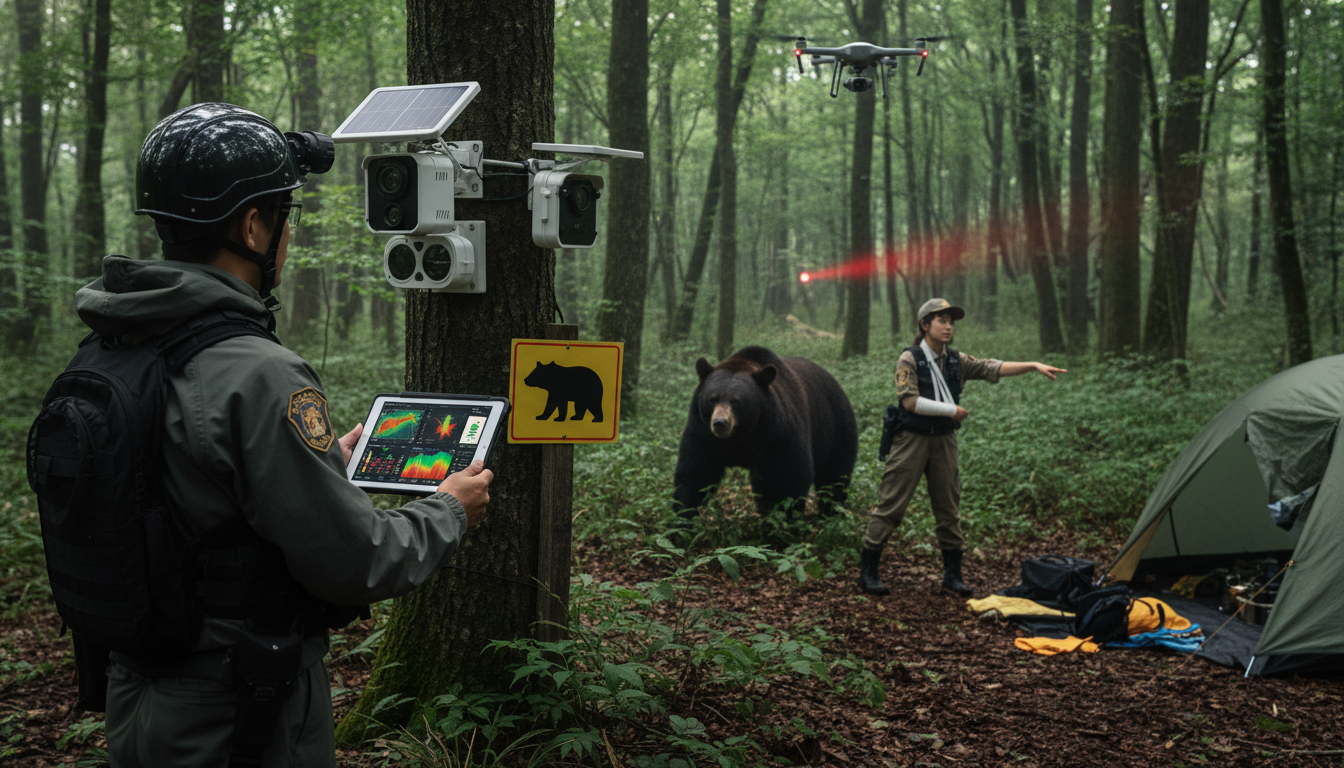
Senshu Park recorded bear activity last autumn, prompting the city to restrict access and install three surveillance cameras at that time. With the recurrence of sightings this spring, authorities have added four more cameras and are monitoring footage more intensively. City officials say that when the camera system—now linked to artificial‑intelligence software—identifies a bear, it triggers notifications to municipal staff so that they can respond more quickly.
Authorities step up monitoring and public alerts
Local governments and police in affected municipalities say they are strengthening patrols and surveillance and coordinating with wildlife experts to assess risks. Officials have emphasized keeping certain park areas closed during periods of active sightings and advising residents to report any bear activity immediately to the prefectural police. The combination of greater on‑the‑ground monitoring and automated alerts aims to reduce surprise encounters and enable faster containment or diversion of animals.
Seasonal causes and ecological context
Wildlife specialists note that many bear movements into towns in spring result from post‑hibernation foraging as animals seek food after months of fasting. Natural food shortages or changing habitat conditions can push bears to explore urban edges where easily available food—such as unsecured household trash, fruit trees or crops—may attract them. Experts caution that while bears are a natural part of the regional ecosystem, human behaviours that provide food sources close to settlements increase the likelihood of conflict.
Practical guidance for residents and local institutions
Authorities advise residents to secure garbage, avoid leaving food outdoors, and report sightings without attempting to approach or feed animals. Schools and childcare facilities near green corridors are reviewing student routes and considering temporary adjustments to reduce exposure during high‑risk periods. Police stress that calls to report bear sightings should include precise locations and times so response teams can act and public notices can be issued for neighborhoods at risk.
Local officials say they will continue to assess whether further measures—such as expanded signage, temporary fencing in key access points, or increased patrol hours—are needed if sightings persist. They also plan to share camera footage with wildlife authorities to better understand movement patterns and to inform longer‑term measures that balance public safety with wildlife conservation.
For now, residents are being urged to stay alert, follow municipal advisories, and treat green spaces near residential areas with caution until wildlife patterns stabilize.

