
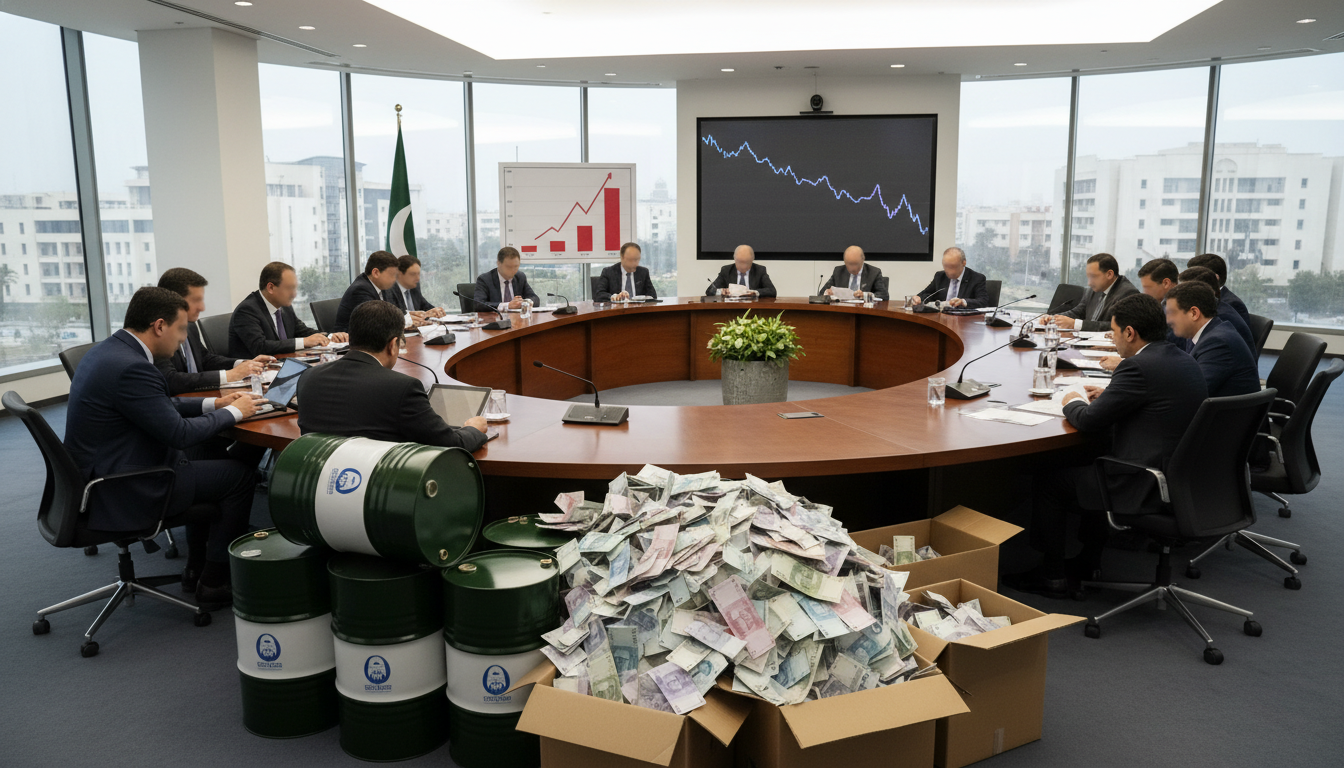
Pakistan fuel import bill surges to $800 million, threatening broad economic shock
Pakistan fuel import bill surges from $300m to $800m, triggering a severe economic shock that raises inflation, strains public finances and risks social unrest.
The government of Prime Minister Shehbaz Sharif says Pakistan fuel import bill has jumped from $300 million to $800 million since the onset of the Middle East conflict, a rise officials warn will reverse recent gains and deepen an already fragile economy. This sharp increase in the fuel import bill is driving inflation higher, disrupting supply chains and intensifying debate over subsidies and austerity measures. Economists and political leaders told reporters the shock could squeeze households, businesses and public finances across multiple sectors. The immediate challenge facing policymakers is whether to pass costs to consumers, absorb them through budgetary support, or seek external financing.
Surge in import costs and official response
The finance ministry and the prime minister’s office have framed the rise in fuel import costs as the most severe such shock in decades, stressing its effect on the current account and fiscal levers. Officials say higher global energy prices, freight charges and insurance premiums linked to the wider regional conflict are the primary drivers behind the leap to $800 million. In response, the State Bank of Pakistan raised its policy rate to contain inflationary pressures and signal fiscal discipline. Policymakers face a narrow policy space as they contend with competing demands from international lenders, domestic stakeholders and the need to stabilise markets.
Ripple effects across transport, agriculture and industry
Economists warn the fuel shock will cascade through transport logistics, agricultural inputs and industrial production, amplifying costs for consumers and producers alike. Diesel price increases raise the cost of moving goods by road and powering irrigation pumps and generators, while petrol hikes affect daily commuting and urban transport networks. These cost increases tend to be passed on quickly through food and retail prices, contributing to headline inflation and eroding real incomes for low- and middle-income households. Businesses that rely on fuel-intensive processes are likely to cut output or raise prices, slowing economic activity and investment.
Policy dilemma: subsidies versus austerity
The government faces a stark choice between cushioning households with subsidies or tightening the budget to preserve macroeconomic stability under IMF oversight. Analysts note that large fuel subsidies would widen the fiscal deficit at a time when Pakistan remains under conditional lending arrangements, limiting discretionary spending. Conversely, immediate fuel price pass-through risks provoking public protests and political backlash, especially given rising living costs. Past talks with the IMF over temporary relief measures reportedly failed to secure approval, leaving the administration with few politically palatable and economically sustainable options.
Household impact and rising cost of living
Many families are already coping with elevated food, housing and utility costs, and the fuel shock threatens to deepen hardship for the most vulnerable. Increased transport and production expenses translate into higher retail prices for staples and daily-use items, disproportionately affecting lower-income households. Remittance-dependent families could see further strain if regional instability disrupts overseas employment and money flows. Consumer confidence and purchasing power are likely to deteriorate, which could reduce demand and weigh on growth prospects.
Balance-of-payments stress and external financing needs
Pakistan’s heavy dependence on energy imports means that sustained higher fuel bills will worsen the balance of payments and heighten pressure on foreign exchange reserves. Authorities may need to seek new external financing or speed up pending inflows to avoid a liquidity crunch that could force currency depreciation. A weaker exchange rate would itself raise the domestic cost of imports and add to inflationary pressures, creating a feedback loop that complicates monetary policy. International lenders and partners will be closely watched for any emergency support or adjustments to existing programmes.
Political fallout and opposition mobilisation
The economic strain is translating into political tensions as opposition parties seize on the fuel-driven squeeze to challenge the government’s policy choices. Critics accuse the administration of mismanagement and inadequate negotiation with international creditors to secure temporary relief. Public demonstrations by transport unions and other affected groups underscore the potential for social unrest if costs continue to rise. Political leaders say they will press for measures to protect ordinary citizens, while the government warns that fiscal limits constrain the scope of relief it can offer.
Pakistan’s near-term outlook will hinge on the trajectory of global energy markets, the duration of regional instability, and the effectiveness of policy responses at home. If international prices moderate and supply chains stabilise, the pressure on import bills and inflation may ease, giving policymakers room to adjust. But prolonged high energy costs would likely force a deeper reassessment of subsidy policy, fiscal priorities and social protections.
The coming weeks will be critical as officials balance the need for macroeconomic stability with mounting public and political pressure to ease the cost burden on households.

