
Sinaloa governor Ruben Rocha Moya indicted by U.S. on alleged ties to Sinaloa cartel
U.S. prosecutors indicted Sinaloa governor Ruben Rocha Moya and nine officials, alleging collusion with the Sinaloa cartel and interference in the 2021 election.
The governor of Sinaloa, Ruben Rocha Moya, was among 10 people charged in an indictment unsealed in New York that accuses him and others of collaborating with the Sinaloa cartel to move large quantities of narcotics into the United States. The indictment alleges the arrangement included political support and bribes in exchange for protecting cartel operations. U.S. authorities say the case centers on conduct surrounding the 2021 Sinaloa gubernatorial race and subsequent official appointments.
U.S. indictment unsealed in New York
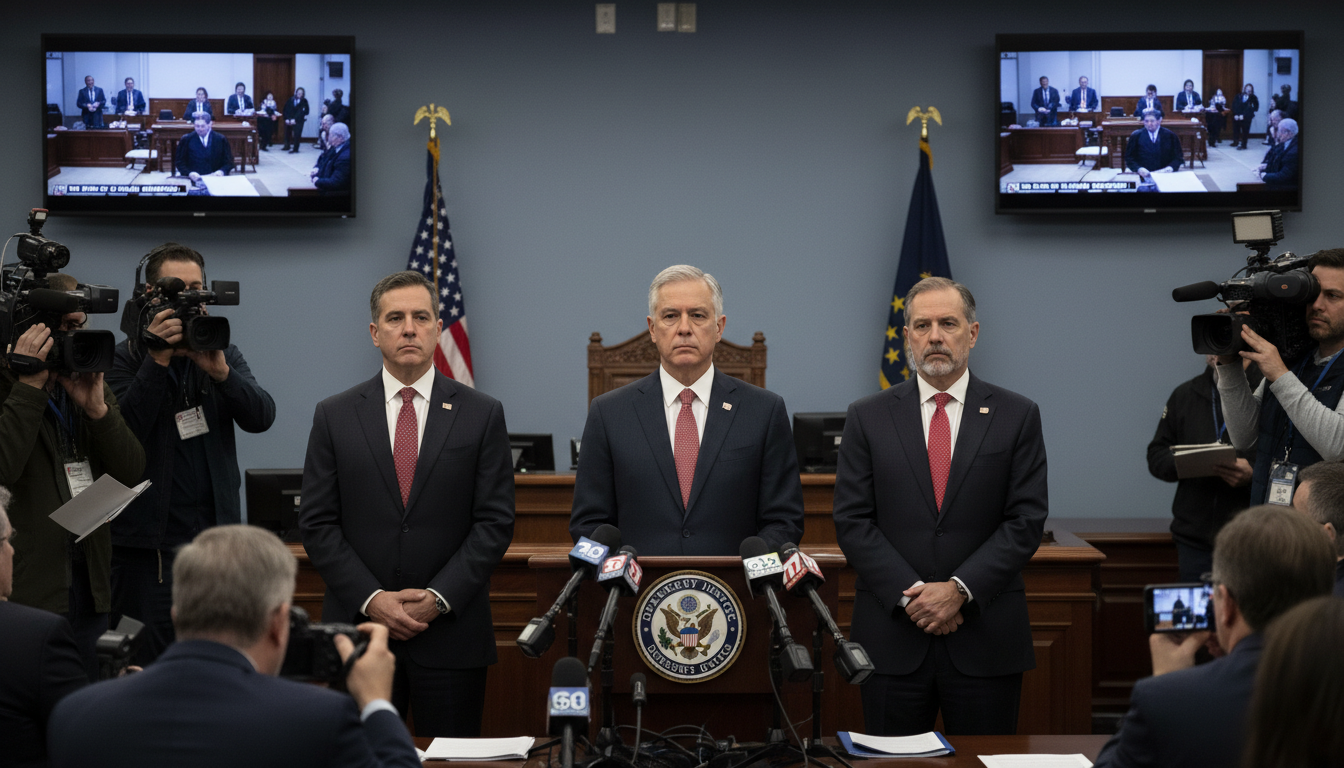
An indictment filed in federal court in Manhattan names Rocha Moya, 76, and nine current or former officials as participants in a scheme to facilitate drug shipments and shield cartel activity. Prosecutors say the defendants coordinated with leaders of the cartel, including figures associated with the sons of Joaquín “El Chapo” Guzmán. The Justice Department presented the charges as part of a broader effort to target networks that combine organised crime with political influence.
The unsealed documents assert the alleged conduct encompassed both obstructing law enforcement and using political power to enable trafficking. Federal officials described the case as one of the rare instances in which the United States has charged a sitting regional governor with participation in transnational organised crime. The move is likely to complicate diplomatic and legal interactions between Washington and Mexico.
Allegations of 2021 election interference
Prosecutors contend that support for Rocha Moya’s 2021 campaign came from members of the cartel’s “Chapitos” faction, who are alleged to have used threats, kidnappings and theft of ballot papers to help secure his victory. The indictment says operatives targeted opposition candidates, pressured voters and removed ballots from rivals to alter the outcome. U.S. authorities lay out the campaign-related activity as a central element of the conspiracy that tied political favor to cartel protection.
If proven, the allegations portray a campaign environment in which criminal coercion was used to shape electoral results, a claim Rocha Moya has vehemently denied. The governor has rejected the charges as unfounded and framed them as politically motivated, saying he will contest the accusations and demonstrate their lack of basis.
Alleged role of Enrique Diaz Vega
Among the defendants named in the indictment is Enrique Diaz Vega, who later served as Rocha Moya’s secretary of administration and finance. Prosecutors allege Diaz Vega provided the cartel with a list of opponents’ names and addresses, enabling pressure and intimidation against political rivals. U.S. filings present his role as instrumental in connecting campaign information and state resources to cartel operatives.
Mexican and U.S. authorities have different standards and procedures for sharing evidence across borders, and the allegations around Diaz Vega underscore the legal complexities of prosecuting transnational corruption. Local officials in Sinaloa have pushed back against the characterisation of Diaz Vega’s actions, saying published documents do not establish guilt.
Links to Sinaloa cartel leadership and federal law enforcement view
U.S. law enforcement officials say most of the suspects in the indictment were aligned with the faction led by Guzmán’s sons, and prosecutors assert that the arrangement involved exchanging narcotics flow for political protection. The Drug Enforcement Administration described the Sinaloa cartel as a drug trafficking organisation that depends on corruption to operate and to drive profit. Federal statements stressed that the alleged activities endangered public institutions and posed risks to U.S. communities by facilitating narcotics distribution.
Experts in organised crime have called the indictment a significant escalation in U.S. tactics, noting that charging a sitting governor is unusual and signals greater willingness to target the political dimensions of cartel power. Observers also warned the case could be the first in a series as prosecutors widen inquiries into the nexus of politics and organised crime in northern Mexico.
Mexican government response and extradition process
Mexico’s foreign ministry said it had received U.S. requests for provisional arrest with a view to extradition and forwarded them to the attorney general’s office, but it added the paperwork lacked attached evidence. The Mexican government has publicly questioned the sufficiency of the documents accompanying U.S. requests and insisted that due process will govern any decision on detention or transfer. Those statements reflect a formal diplomatic stance that seeks to balance legal cooperation with concerns over sovereignty and evidentiary standards.
How Mexican authorities handle any provisional arrest requests or extradition steps will be closely watched in both capitals. Legal experts note that provisional arrest and extradition require careful judicial review under Mexican law, and any move toward surrendering a sitting state governor would be unprecedented and legally fraught.
Political fallout for President Sheinbaum and Morena
The indictment places political pressure on President Claudia Sheinbaum’s administration because several accused officials, including Rocha Moya, have ties to the governing Morena party. Analysts say the case poses a dilemma for Sheinbaum: decisive action against a party affiliate could fracture internal political control, while inaction risks straining bilateral ties with the United States during sensitive trade and diplomatic talks. The situation also revives scrutiny of longstanding accusations about corruption and cartel influence in regional Mexican politics.
Party leaders and cabinet officials will face immediate questions about internal vetting, oversight and potential disciplinary measures. The way Mexico’s federal government responds could shape both domestic political dynamics and Mexico‑U.S. cooperation on drug enforcement and border security in the months ahead.
The indictment announced in New York marks a notable escalation in U.S. efforts to pursue alleged links between organised crime and elected officials in Mexico, and it sets the stage for legal battles, diplomatic consultations and political reverberations as both countries navigate the next steps.

