
Japanese outlet malls pivot to experiences as domestic shoppers replace Chinese tourists
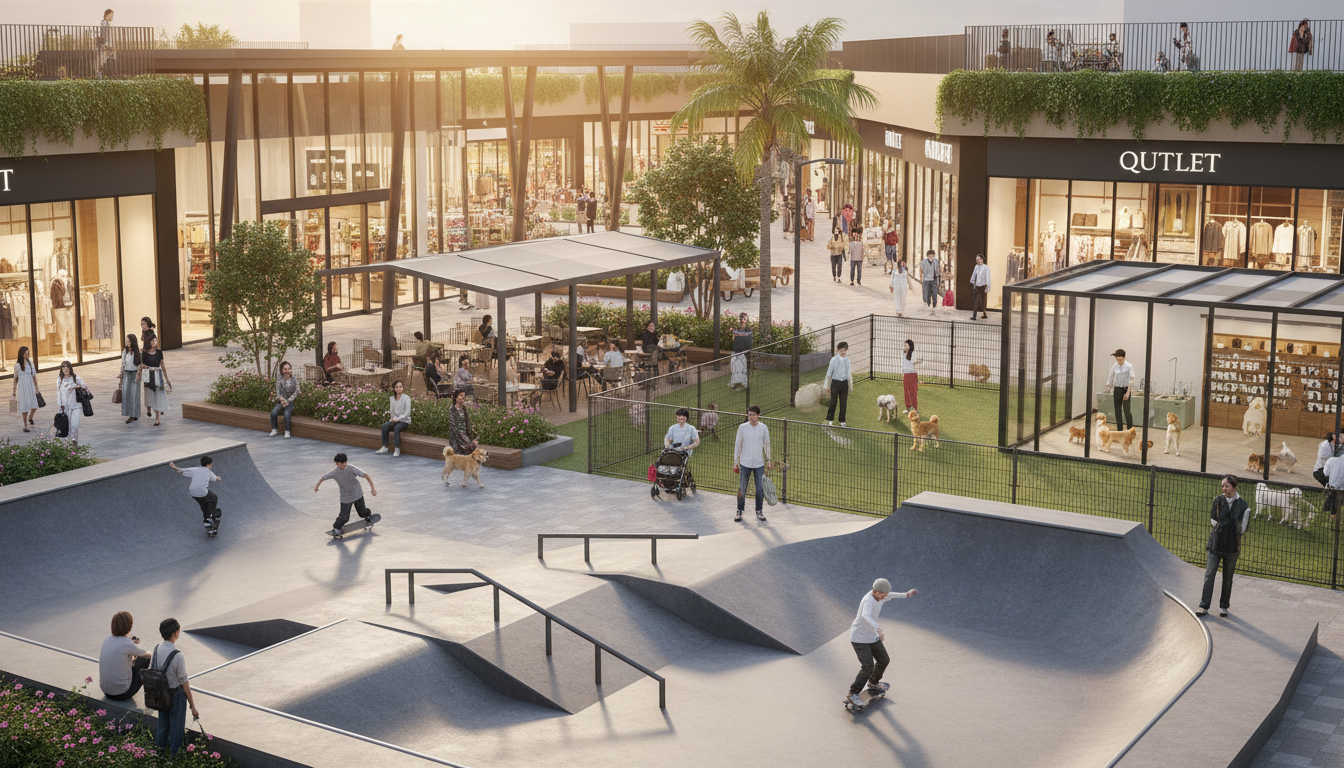
Outlet malls across Japan are shifting toward experience-led offerings to attract domestic shoppers, adding features from skate parks to pet-friendly spaces as inbound tourism remains uncertain.
Outlet malls refocus on domestic demand
Outlet malls in Japan are actively reconfiguring their strategy to serve domestic shoppers after a slowdown in visitors from China. Retail operators say the recovery of inbound tourism has been uneven, prompting a greater emphasis on local spending and repeat visits.
Industry players are redesigning common areas, events and marketing to appeal to regional families and younger consumers. The pivot reflects a broader trend in which shopping centres aim to be community destinations rather than solely discount retail hubs.
Mitsui Fudosan installs permanent skate park
Mitsui Fudosan Group has introduced a permanent skate park at one of its outlet complexes as part of a push toward experiential retail. The facility is intended to draw younger shoppers and provide a reason to stay longer on site beyond traditional shopping.
Developers say such attractions build daily traffic and create opportunities for food, beverage and ancillary retail spending. The skate park is one example of how major property owners are investing in non-traditional assets to diversify footfall sources.
Experience-led attractions broaden appeal
Retail centres are adding a range of experiential features — from pop-up workshops and live performances to pet-friendly zones and family play areas — to broaden their customer base. These initiatives are designed to turn a single shopping trip into a multi-hour outing for households and groups.
Operators report that experiences lift length of stay and purchase rates, helping tenants recover sales even when tourist numbers lag. By programming regular events and seasonal activations, outlets aim to build habitual visitation among nearby residents.
Merchants adapt inventory and promotions
Merchants at outlet malls are adjusting merchandise mixes and promotional calendars to match the tastes of domestic shoppers. Seasonal assortments, domestic-brand collaborations and targeted discounts are being used to resonate with local preferences.
Retailers are also experimenting with services like click-and-collect, in-mall experiences and loyalty campaigns to capture repeat business. These shifts are intended to make outlets more resilient to fluctuations in international travel and to deepen engagement with nearby communities.
Tourism uncertainty shapes long-term strategy
Uncertainty around the pace and composition of inbound tourism is prompting longer-term planning rather than short-term fixes. Property groups and retailers are reconsidering tenant line-ups, leasing models and capital allocations to balance tourist-driven tenants with local-serving concepts.
Consultants say that while tourists remain valuable, sustainable growth for outlets will come from strengthening domestic demand and expanding non-retail offerings. This strategic recalibration includes partnerships with local governments and event promoters to integrate outlets into regional leisure circuits.
Shoppers respond to new formats
Early customer feedback indicates enthusiasm for the enhanced amenities, particularly among families and young adults seeking activities that pair well with shopping. Operators report higher dwell times at locations that offer unique attractions, which in turn supports food courts and service-oriented tenants.
Some outlet managers are also measuring success through repeat-visit rates and local market penetration rather than solely by tourist spending. This data-driven approach helps tailor future investments to the behaviors of nearby consumers.
Operational and design implications
The shift toward experience-driven outlets requires changes in design, operations and staffing. Properties need flexible open spaces, event infrastructure and safety measures for recreational elements like skate parks, along with programming teams to maintain busy calendars.
Retailers and developers are coordinating more closely on shared responsibilities, from maintenance to marketing, to ensure attractions complement rather than compete with store sales. The operational complexity is seen as a worthwhile trade-off for deeper customer loyalty.
Outlook for outlet malls in Japan
As Japan’s retail landscape evolves, outlet malls are positioning themselves as hybrid leisure and shopping destinations tailored to domestic audiences. Investments in experiential amenities, tenant strategies and regional outreach are central to this evolution.
With tourism recovery still uneven, outlets that successfully blend retail with compelling experiences are likely to secure steadier footfall and revenue streams. The coming months will test whether these newly minted attractions translate into sustained local patronage and long-term resilience.

