
Port Island regeneration: Residents deliver two-year proposal to Kobe City amid aging and hollowing
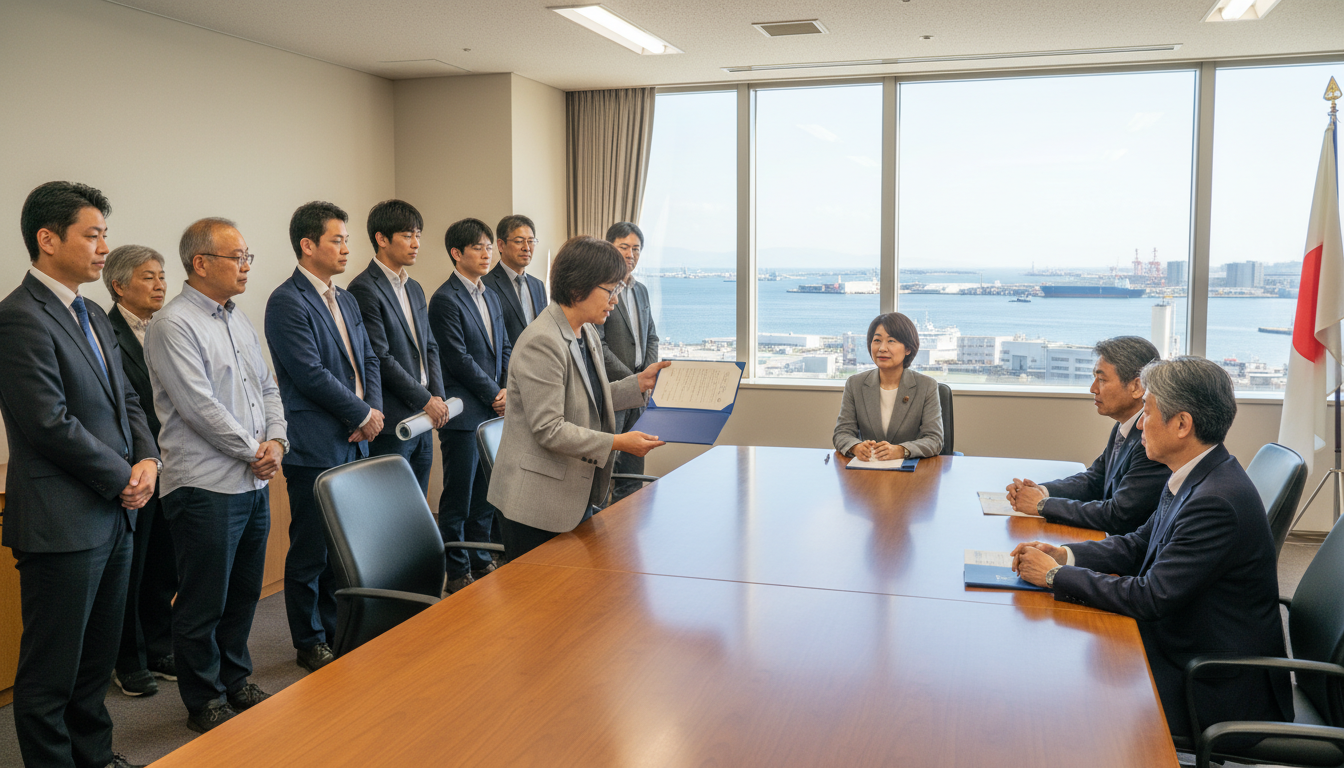
Kobe’s Port Island regeneration advances as residents’ federation submits a two-year proposal in May 2026 to address aging, vacant housing and facility renewal.
Port Island, the man-made "future city" created off Kobe in 1981, is now the focus of a renewed push for Port Island regeneration as local residents and the municipal government prepare to tackle demographic decline and an eroding town center. A federation representing management associations and neighborhood groups has completed nearly two years of discussions and will hand a consolidated proposal to Kobe City in May 2026. The plan aims to identify the facilities and systems residents say are needed to revive community life.
From a planned "future city" to present-day strain
Port Island was designed as a symbol of urban innovation when it opened in 1981, bringing residential blocks, commercial spaces and public facilities to reclaimed land in Osaka Bay. Over four decades, however, the island has experienced demographic changes that mirror broader trends across Japan, with a growing proportion of older residents and declining use of communal amenities.
Today the island is home to about 14,000 people, concentrated in 12 major apartment complexes excluding student dormitories. That concentration of multi-unit housing has meant that the challenges of aging, maintenance and vacant units are concentrated and visible, prompting both residents and city officials to seek joint solutions.
Residents’ federation completes two-year deliberations
The Port Island Residents’ Federation, composed of management unions and neighborhood associations, began focused discussions in autumn 2024 and met almost monthly to identify priorities and craft a unified proposal. The federation functions as the formal liaison between residents and the municipal administration for matters ranging from facility upkeep to local governance.
These deliberations culminated in March 2026, after about two years of meetings, drafts and consultations. The federation announced it will submit the resulting proposal to Kobe City in May 2026, marking a milestone in resident-led efforts to shape the island’s future.
Outline of the proposal and community priorities
Although the federation’s full proposal has not been publicly released, the document is said to bundle residents’ ideas about renewing island facilities and creating systems to support daily life. Proposals of this kind typically emphasize accessible public spaces, services for older residents, and improvements to local commercial and transport links to reduce isolation.
Residents participating in the process have framed the proposal as a practical roadmap rather than a sweeping redevelopment plan. The intent is to align city investment in infrastructure and services with on-the-ground needs identified by those who live on the island every day.
Kobe City’s role and expected next steps
Kobe City has positioned itself as a partner in the Port Island regeneration effort, commissioning facility renewals while soliciting resident input on what to prioritize. Once the federation hands over its proposal in May 2026, municipal officials are expected to review the recommendations, assess budgetary implications and schedule follow-up consultations with stakeholders.
Local government timelines for implementing such proposals vary, and residents say they will press the city for clear milestones and transparent decision-making. The federation’s submission aims to give the city a consolidated set of resident priorities to inform public planning and potential capital projects.
Everyday life on the island and community responses
On the ground, community life on Port Island is changing as the population ages and younger households become less numerous. Longstanding neighborhood associations face pressure to adapt their roles, with some residents advocating for more flexible, looser forms of connection to ensure participation remains viable for busy or older inhabitants.
At the same time, there is evidence of civic energy: volunteer initiatives, small-scale local events and resident-led maintenance efforts have persisted as ways to keep common areas active. Those local efforts helped drive the federation’s push to formalize recommendations and present a coherent voice to the municipal government.
A reporter in her 20s recently moved to the island to observe everyday dynamics and attend federation meetings, reporting back on how place-based engagement is evolving. Her account underscores how demographic shifts and built-environment constraints intersect with residents’ efforts to retain a functioning, livable community.
Port Island’s regeneration now hinges on whether Kobe City and the residents’ federation can translate the May 2026 proposal into funded, phased actions that address both immediate needs and long-term sustainability. The coming months will test the capacity of local structures—public and voluntary—to coordinate planning, secure resources and implement the kinds of facility renewals that residents say are essential to reversing population hollowing and preserving the island’s livability.

