
Japan opens talks with the Philippines on Abukuma-class escort ship export
Japan begins talks with the Philippines to export retired Abukuma-class escort ships after April rule changes; legal reform, training and maintenance plans set.
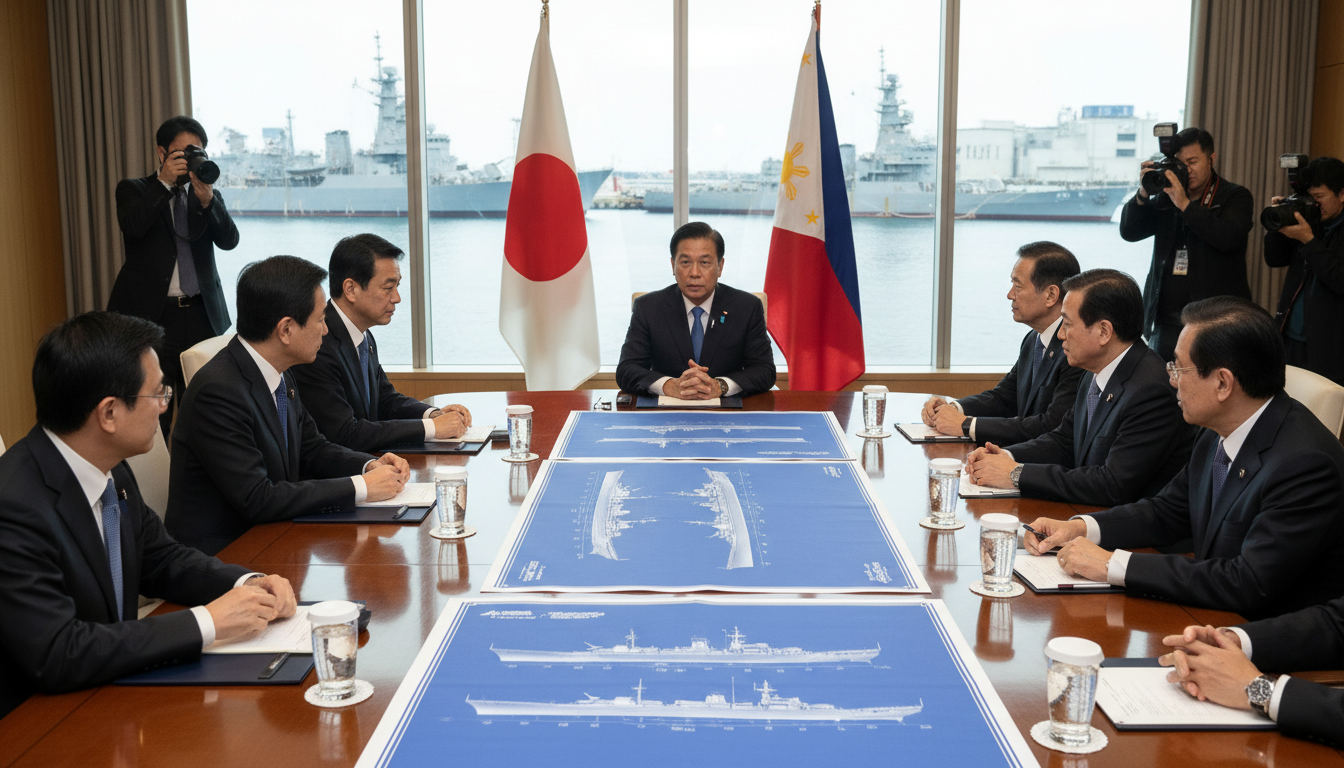
Japan and the Philippines have agreed to begin formal discussions on exporting retired Abukuma-class escort ships, officials said after a meeting in Manila on May 5, 2026. The move follows an April policy change by Prime Minister Takaichi’s cabinet that lifted previous restrictions on the export of weapons and defense equipment. Japanese and Philippine defense ministers framed the talks as part of broader security cooperation aimed at strengthening the Philippine Navy.
Agreement reached in Manila
Defense Minister Shinjiro Koizumi and Philippine Defense Secretary Jose Teodoro met in Manila on May 5 and decided to establish talks on the transfer of Abukuma-class escort ships slated for retirement. The ministers described the move as a step to translate Japan’s recent export policy revisions into practical cooperation. Both sides signed a joint statement expressing shared concerns over regional maritime security, particularly activities in the South China Sea.
Policy shift enables equipment exports
In April, the Takaichi cabinet revised Japan’s long-standing defense equipment transfer guidelines, removing the five-category limit that had restricted export purposes to non-lethal roles. The revision effectively opened the way for exports of weapons with lethal capability, a change government officials say will allow Japan to contribute more directly to regional security. Officials framed the policy shift as enhancing Japan’s role in promoting peace and stability in the region.
Details on the Abukuma-class fleet
The Abukuma-class escort ships, operated by the Japan Maritime Self-Defense Force, have been in service for more than 30 years and are scheduled to be phased out as newer platforms enter service. The defense ministry plans to retire all six vessels of the class over time, creating potential opportunities for transfer. Philippine officials have long expressed interest in acquiring such vessels to bolster surface capabilities and maritime patrol capacity.
Operational and technical cooperation planned
Both governments agreed to form a working group that will include policy, operations and equipment specialists to coordinate the potential transfer. Discussions are expected to cover comprehensive support packages such as crew training, maintenance assistance and logistics to ensure the ships can be operated safely and effectively by the Philippine Navy. Tokyo emphasized the need for detailed assessments of operational compatibility, safety standards and sustainment requirements before any transfer is finalized.
Legal changes required for low-cost transfer
The Philippines has reportedly sought either free or heavily discounted transfers, which would require amendments to Japan’s Self-Defense Forces Law, specifically Article 116-3 that currently excludes weapons like escort ships from low-cost disposal to developing countries. Japanese officials indicated they aim to submit related legislation in the next ordinary Diet session to permit such arrangements. Lawmakers will need to weigh legal, operational and political considerations before approving any statutory change.
Regional strategic context and reactions
Tokyo and Manila framed the potential transfer within a wider strategy to counter coercive maritime activities in the South China Sea and East China Sea, citing shared concerns about increased patrols and confrontational actions by other regional actors. The agreement to begin talks follows deeper security ties between Japan and the Philippines in recent years, including joint exercises and capacity-building initiatives. Observers note that a completed transfer would be the first significant export of decommissioned Japanese naval vessels since the April policy revision, setting a precedent for future defense cooperation.
The working group will now move into technical exchanges and scheduling, with officials on both sides signalling an intention to proceed swiftly but cautiously. Tokyo’s next steps include legal drafting, detailed inspections of the vessels, and planning for training and sustainment support if a transfer is approved. The outcome of these talks will be closely watched across the region as an indicator of how Japan’s new export policy will translate into concrete security partnerships.

