
Iran military action near the Strait of Hormuz resumes with missile and drone strikes toward US ships and UAE
Iran military action near the Strait of Hormuz resumed on May 4, with Tehran firing missiles and drones near US warships and into the United Arab Emirates, raising fears the April 8 ceasefire could unravel.
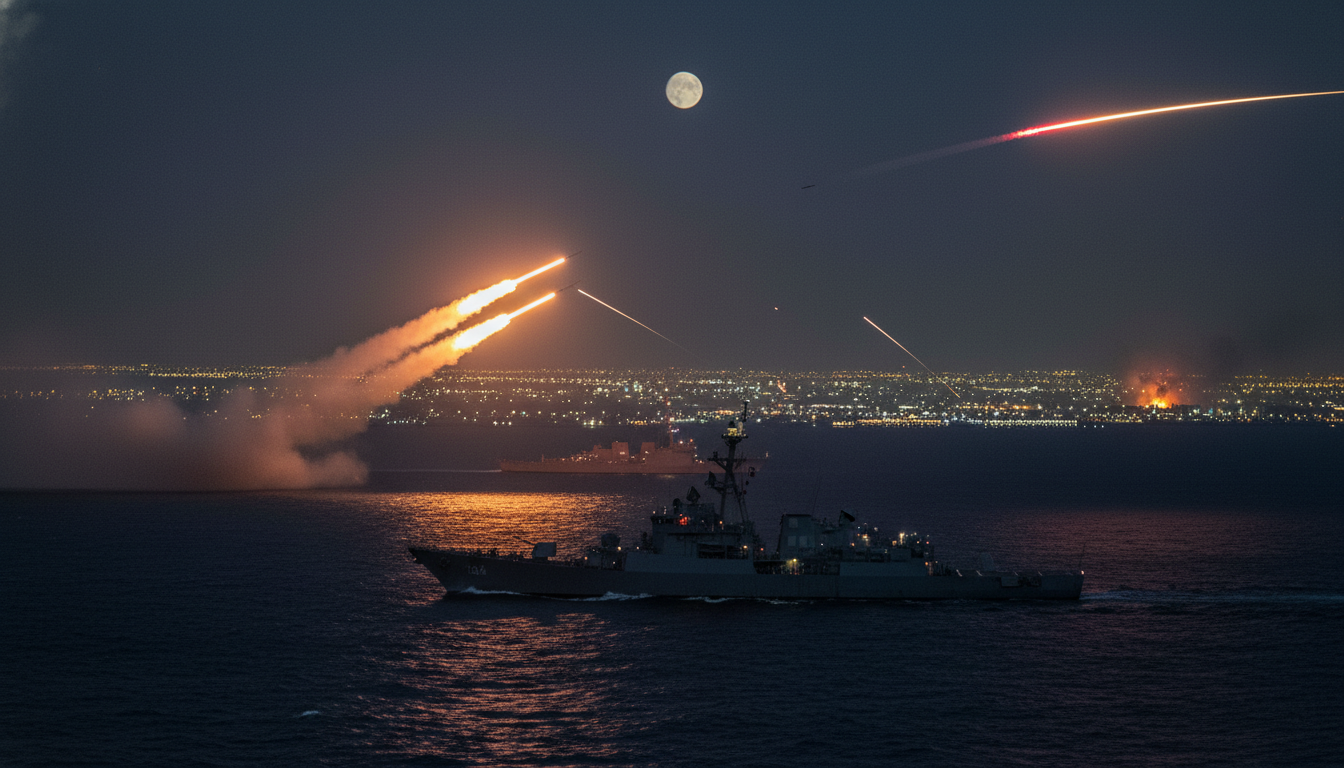
Iran announced a sudden return to military operations around the Strait of Hormuz on May 4, saying its navy launched warning missile and drone strikes at sea close to several US vessels that were reportedly approaching the strait. The same day, the United Arab Emirates’ Ministry of Defence said missiles launched from Iran reached UAE territory, and authorities in Fujairah reported that oil-related facilities were struck by Iranian drones, causing fires.
Sequence of events on May 4
Iran’s naval forces said they carried out warning launches of missiles and drones toward sea areas where multiple United States warships were navigating outside the Strait of Hormuz. Tehran framed the action as a response to warships that it said were attempting to enter the strait.
The UAE Ministry of Defence reported incoming missiles attributed to Iran, while Fujairah officials announced that oil facilities had been hit by drones and fires had erupted. The incidents occurred suddenly after weeks in which Tehran had limited cross-border attacks following a temporary agreement.
Ceasefire background and Tehran’s justification
Tehran had restrained attacks on other countries after agreeing to a temporary ceasefire with the United States and Israel on April 8. Iranian officials and state media later characterized the May 4 operations as defensive measures tied to perceived incursions by foreign naval vessels.
Iran also announced a new maritime management posture in the area, signaling tighter control over waters near the strait. Officials presented the actions as enforcement of maritime boundaries and the protection of Iranian interests at a strategically sensitive chokepoint.
UAE and regional security responses
UAE authorities described missile and drone flights from Iran and reported damage and fires at oil-related infrastructure in Fujairah, a key export and bunkering hub. The strikes drew immediate concern across the Gulf, where commercial shipping and energy facilities are concentrated.
Regional governments and commercial operators are monitoring shipping routes and security advisories, and some carriers have already reconsidered transits through the area. The incidents heightened worries about broader disruptions to maritime traffic that is critical for global energy supplies.
US presence and military implications
US naval vessels were identified by Iranian statements as the proximate reason for the warning launches, with Iran saying the ships were attempting transit into the strait. The proximity of US warships to the incidents underscores the risk of miscalculation between major military forces in the area.
Analysts caution that warning launches near live naval units increase the chance of unintended escalation, particularly when operations involve missiles and unmanned aerial systems in congested sea lanes. Commanders on all sides face the delicate task of signaling resolve without triggering wider conflict.
Economic and market impact
Global markets reacted to the renewed tension: US stock indexes fell and oil futures climbed as traders priced in greater risk to Gulf crude exports. Already-sensitive energy markets tightened on reports of attacks on oil-related infrastructure in Fujairah.
Insurance premiums for vessels and costs for rerouting are likely to rise while uncertainty persists, affecting shipping schedules and regional economies that depend on uninterrupted flows through the Strait of Hormuz.
Risks to the temporary ceasefire
The May 4 actions risk undoing the fragile restraint achieved by the April 8 agreement between Iran, the United States and Israel. Even limited strikes or warning firings can erode trust and prompt retaliatory measures, narrowing diplomatic space for de-escalation.
Observers note that a single incident at sea can rapidly broaden into political and military responses if stakeholders interpret actions as intentional escalation. The immediate months ahead will test whether diplomatic channels can restore and sustain the ceasefire commitments.
The renewed Iranian operations near the Strait of Hormuz mark a significant shift in regional dynamics and underscore the strait’s persistent role as a flashpoint for broader geopolitical tensions. Continued monitoring by regional states, major naval powers and international organizations will be critical as officials assess the causes, consequences and possible next steps.

