
Taiwan Tensions Intensify as President Lai Marks Two Years, Vows to "Prevent War"
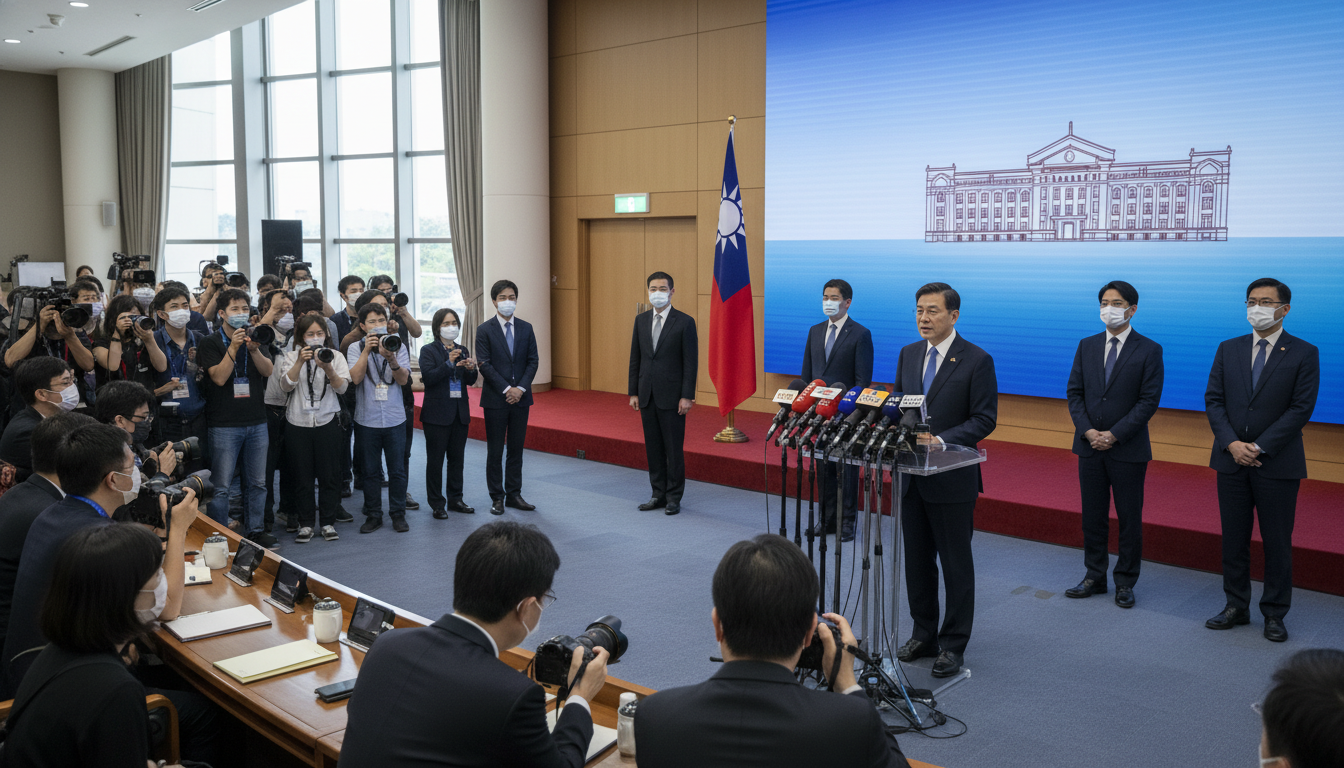
On May 20, 2026, President Lai Ching-te used a midterm address in Taipei to reaffirm that Taiwan’s future will be decided by its people, directly addressing growing Taiwan tensions and pledging a policy aimed at preventing conflict. Lai said his government does not seek provocation but will act to deter war and preserve democratic self-determination. The speech, delivered at the presidential building on the second anniversary of his inauguration, framed his administration’s priorities for the remainder of the four-year term.
Lai’s Midterm Address Emphasizes Popular Sovereignty
President Lai opened his remarks by asserting that the island’s destiny belongs to its citizens, not external powers. He framed democratic self-determination as the guiding principle of his administration and said this stance underpins Taiwan’s handling of cross-strait relations. Lai’s language was measured, combining a reaffirmation of identity with an appeal for calm amid regional friction.
‘Not to Provoke, But to Prevent War’ — A Central Security Message
A central line in the address — that Taipei seeks "not to provoke, but to prevent war" — was intended to signal restraint while stressing preparedness. Lai called for vigilance and deterrence rather than escalation, arguing that responsible leadership requires both diplomacy and credible defense. Analysts say that formulation is designed to reassure domestic audiences without closing off international security cooperation.
Defense Posture and Civil Resilience Prioritized
In his speech, Lai reiterated commitments to strengthen Taiwan’s defensive capabilities and civil resilience, though he stopped short of announcing specific new military programs. He emphasized investments in asymmetric defense, supply-chain security, and wider public preparedness measures as pillars of national security. Officials familiar with the administration’s planning say those priorities will guide budget and procurement decisions through the remainder of the term.
Cross-Strait Relations Remain Tense but Managed
Lai’s address acknowledged persistent tensions with Beijing, which continues to assert a claim over Taiwan, while he urged a pragmatic approach to reduce the risk of miscalculation. He called on all sides to avoid unilateral moves that could escalate confrontations and reiterated Taiwan’s desire for stable, peaceful relations under the condition of preserving democratic freedoms. Observers note the speech was calibrated to speak to domestic concerns while signaling to international partners the island’s preference for stability.
International Partnerships and Diplomatic Outreach
Addressing external audiences implicitly as well as explicitly, Lai highlighted the importance of deepening ties with like-minded democracies to bolster Taiwan’s security and economic resilience. He pledged continued engagement on trade, technology cooperation, and people-to-people ties, without naming specific countries in the speech. Diplomats say Taipei will pursue a mix of formal and informal partnerships to diversify economic links and reduce strategic vulnerability.
Domestic Political Context Ahead of the Second Half of the Term
Lai framed the midpoint of his four-year mandate as a moment to consolidate public support and translate policy into measurable results for citizens. He acknowledged challenges at home, including an uneven global economy and social needs, and stressed that security measures must be balanced with welfare and growth. Political analysts expect the administration to present concrete policy packages in the coming months aimed at strengthening both national defense and domestic stability.
President Lai’s remarks on May 20, 2026, were received with mixed reactions across Taiwan’s political spectrum, with supporters praising a steady hand and critics urging clearer policy details. As the administration moves into the second half of its term, balancing deterrence, diplomacy, and domestic governance will remain central to its strategy amid ongoing Taiwan tensions.

