
Israel airstrikes on Iranian sites follow missile barrage after Beirut attack
Israel launched airstrikes on Iranian sites after Tehran fired missiles following an attack on Hezbollah in Beirut, raising tensions and threatening talks.
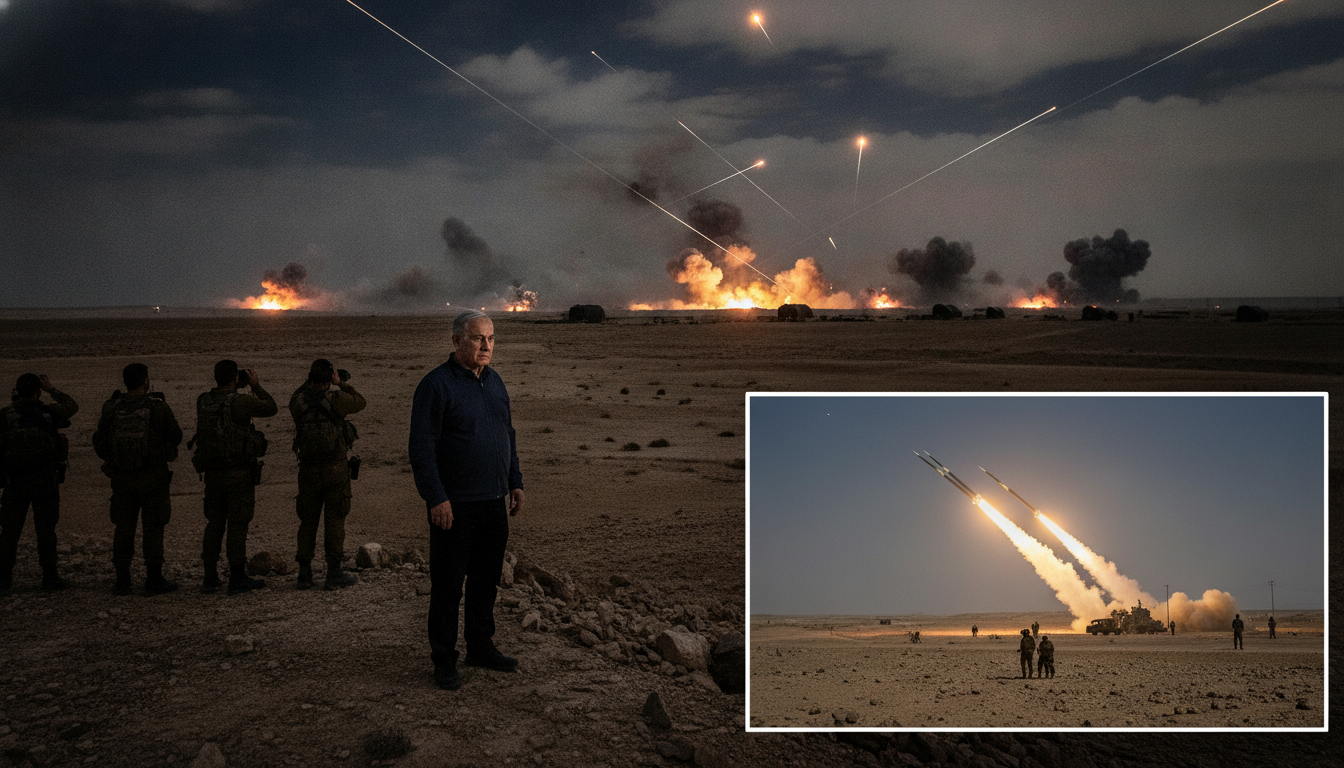
Israel carried out airstrikes on military targets in central and western Iran in the early hours of June 8, the Israeli military said, marking a sharp escalation after Tehran launched missiles at Israeli territory the previous night. The exchange followed an Israeli strike on a Hezbollah command center in the Dahieh district south of Beirut on June 7, and officials say the tit-for-tat attacks risk undermining ongoing diplomatic efforts. U.S. officials and leaders in the region warned that the recent incidents could derail negotiations aimed at ending broader hostilities that have been in place since an April 8 ceasefire.
Israeli military reports strikes on Iranian positions
The Israeli military announced it had struck sites in Iran’s central and western provinces just after midnight local time, describing the targets as military facilities tied to Iran’s operational capabilities. Israeli spokespeople framed the operation as a direct response to missile launches that Tehran carried out against Israel on the night of June 7. Military statements emphasized that the strikes were precise and intended to degrade Iran’s ability to carry out further attacks.
Independent confirmation of the scope and effects of the strikes in Iran remained limited early Monday, with Iranian authorities yet to provide detailed public accounting. Regional monitoring groups and foreign embassies often take time to verify such incidents, and on-the-ground reporting in the affected Iranian regions is restricted. Until further verification is available, assessments of damage and casualties should be treated as preliminary.
Hezbollah command hit in Beirut preceded Iran’s missile launch
The flare-up began when Israeli forces struck a Hezbollah command post in the Dahieh neighborhood south of Beirut on June 7, according to regional reports. Dahieh, a densely populated suburb long associated with Hezbollah’s political and military infrastructure, has been a recurrent focal point in cross-border violence. Iran, a principal backer of Hezbollah, launched missile strikes at Israel later the same night in what it described as retaliation for the Beirut attack.
Iran’s missile strike on Israel was reported to be the first of its kind since the temporary cessation of broader hostilities that was agreed on April 8, a development that had helped open channels for U.S.-mediated talks. The resumption of missile exchanges signals a hardening of positions and raises the prospect of wider confrontation if further reprisals continue.
U.S. reaction and diplomatic repercussions
Senior U.S. leaders expressed concern about the rapid escalation and its potential to disrupt diplomacy. U.S. President Donald Trump told Fox News that the recent strikes would not help negotiations and conveyed frustration with the unfolding events. According to reporting cited by U.S. media, Mr. Trump also told Axios he planned to call Israeli Prime Minister Benjamin Netanyahu to urge restraint so as not to derail a deal with Iran that he described as close.
Washington has been engaged in shuttle diplomacy to contain spillover from the Israel–Gaza war and to forestall direct confrontation between Iran and Israel. U.S. officials worry that reciprocal strikes could complicate or collapse negotiations intended to secure a more durable pause or settlement, and they are pressing regional partners to avoid actions that would broaden the conflict.
Regional escalation risks and strategic implications
Analysts warn that cross-border strikes between Israel and Iran risk pulling Lebanon and other states into a wider conflict, given Hezbollah’s position inside Lebanon and its ties to Tehran. A sustained cycle of attacks and reprisals could prompt further mobilization, threaten commercial shipping in nearby waterways, and unsettle markets sensitive to Middle East instability. The prospect of rapid escalation may also pressure neighboring governments to take clearer public positions, potentially widening diplomatic fractures.
Military planners on all sides will be assessing risk thresholds, including whether future strikes could target logistics, air defense sites, or command-and-control infrastructure, which would raise the stakes substantially. International actors invested in limiting the conflict’s spread are likely to intensify back-channel communications to reduce the chance of unintended escalation.
Uncertainty over casualties and verification of incidents
At the time of reporting, there were no independently verified tallies of casualties resulting from the overnight strikes in Iran or from the missile impacts attributed to Tehran inside Israel. Both Israeli and Iranian authorities have tended to control information tightly following military actions, complicating efforts by third-party monitors to confirm details. Journalists and humanitarian organizations are urging caution and calling for transparent updates from the parties involved.
Humanitarian and civilian risks increase where strikes occur near population centers, and international agencies often call for restraint to prevent civilian harm. The coming days are likely to see competing narratives emerge as each side frames the strikes within broader security and political objectives.
The sudden exchange of strikes between Israel and Iran after an attack on Hezbollah’s Beirut command underscores how localized operations can quickly widen into regional confrontations, jeopardizing diplomatic efforts and raising the specter of a broader conflict if restraint is not maintained.

