
China extends maritime surveillance east of Taiwan amid Japan–Philippine boundary talks
Beijing’s move to broaden maritime surveillance east of Taiwan raises regional concerns over undersea cables and shipping lanes, as Tokyo and Manila prepare boundary negotiations.
China expands patrols east of Taiwan
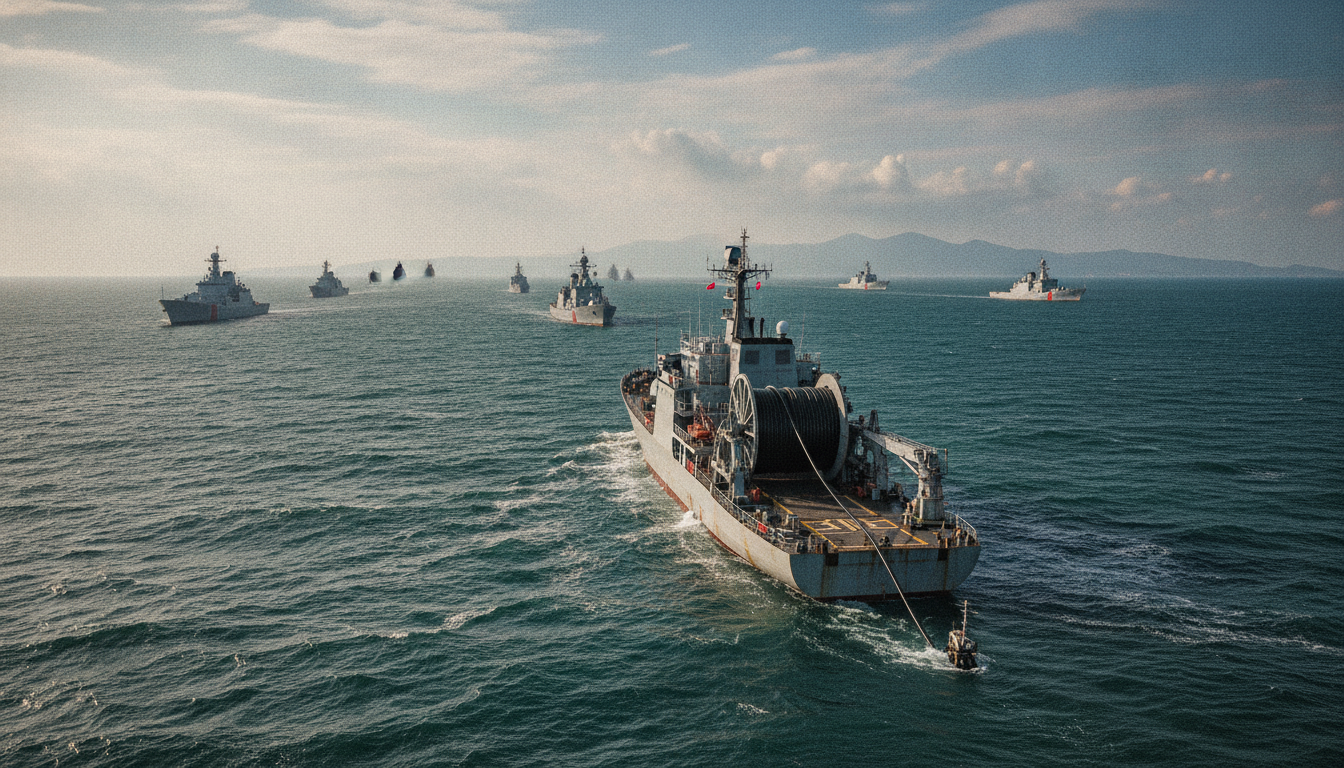
China has stepped up maritime surveillance east of Taiwan, deploying coast guard and other vessels into waters that have not previously seen sustained Chinese patrols. The increased presence comes as Tokyo and Manila prepare to begin talks on demarcating maritime boundaries in adjacent areas, adding diplomatic tension to an already sensitive maritime environment.
Officials say the patrols are focused on monitoring sea lanes and asserting maritime claims, a shift that regional governments and analysts view as an effort to widen China’s operational footprint in the western Pacific. The expansion is being tracked closely by neighbouring states given its proximity to both commercial routes and contested maritime features.
Deployment near undersea cables and shipping lanes
Some of the areas where Chinese ships have been observed overlap with corridors used by transoceanic data cables and major shipping lanes. These routes carry a large portion of commercial shipping and digital communications between East Asia and the rest of the world, making them strategically important beyond routine naval considerations.
Maritime experts warn that even routine patrols near cable paths increase the risk of inadvertent interference with critical infrastructure. Any escalation or miscalculation in these busy corridors could have outsized effects on commerce and information flows across the region.
Japan and Philippines prepare boundary talks
Japan and the Philippines are preparing to hold talks aimed at clarifying maritime boundaries in waters east of Taiwan, according to diplomatic briefings and regional officials. The timing of those negotiations coincides with China’s expanded patrols, creating a fraught backdrop for bilateral efforts to resolve long-standing delimitation questions.
Tokyo and Manila have said they seek a peaceful and rules-based process to address their maritime limits, underscoring the importance of negotiation rather than unilateral action. Observers note that reaching agreement would have implications for resource management, legal jurisdiction, and regional stability.
Responses from Tokyo and Manila
Japanese authorities have voiced concern about increased maritime activity near Japan’s southwestern approaches, where tensions over territorial and maritime claims remain acute. Tokyo has reiterated calls for freedom of navigation and the protection of critical undersea infrastructure in the region.
Manila has signalled its intent to press for clear legal outlines that reflect its sovereign rights under international law while pursuing diplomatic means to settle overlaps. Both capitals are coordinating with regional partners and monitoring developments closely to prevent incidents at sea.
Regional security and naval activity
The broader security environment in the western Pacific has been marked by stepped-up naval operations, patrols and exercises by multiple countries in recent years. China’s decision to extend surveillance east of Taiwan adds another dimension to those dynamics and may prompt adjustments in patrol patterns by neighbouring navies and coast guards.
Analysts say the situation underscores the need for robust incident prevention mechanisms, communications channels between maritime services and adherence to conventions governing conduct at sea. Without such safeguards, routine encounters risk becoming flashpoints in a crowded and strategically vital maritime space.
Implications for commerce and communications
Beyond direct security concerns, the movement of ships through corridors that carry trade and digital traffic raises economic stakes. Disruptions to shipping lanes would have knock-on effects on supply chains, while interference with undersea cables could affect connectivity for businesses and consumers across multiple countries.
Businesses, shipping firms and telecommunications operators are expected to watch developments and make contingency plans if tensions persist. Investors and insurers will also weigh the evolving risk environment when assessing operations that depend on the stability of these maritime routes.
China’s expanded patrols east of Taiwan, the upcoming Japan–Philippine boundary talks, and the proximity of critical infrastructure together create a complex regional challenge that will test diplomatic channels and maritime risk-management practices. Continued monitoring and restraint by all parties will be essential to prevent incidents that could rapidly escalate.

