
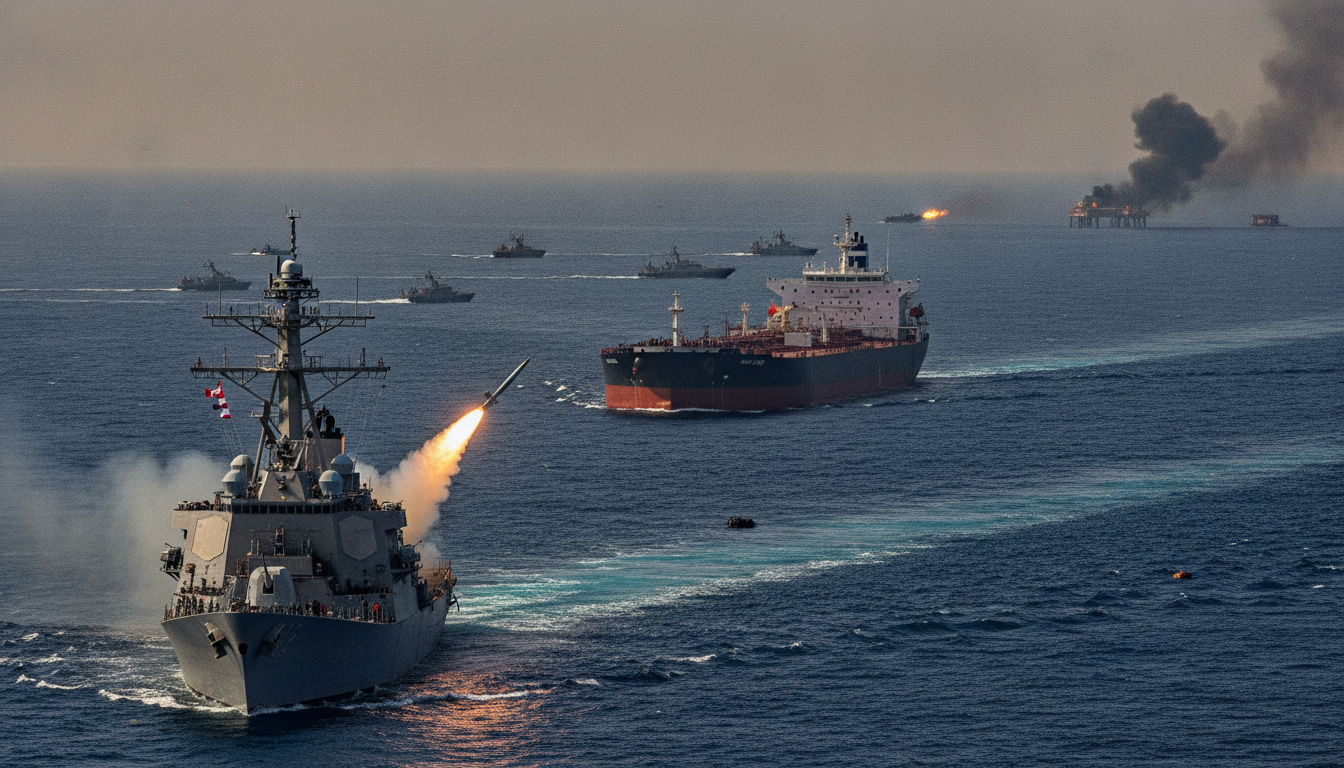
U.S.-Iran attacks in the Strait of Hormuz resume, raising regional tensions
U.S.-Iran attacks in the Strait of Hormuz resumed after a June 26, 2026 memorandum, exposing fragile ceasefire terms and prompting fresh concerns over shipping, energy and regional security.
Clashes resume after memorandum
Following a memorandum intended to halt hostilities, U.S. and Iranian forces exchanged attacks on June 26, 2026, marking the first major flare-up since the agreement. The incident underscored how tenuous the ceasefire has become and revealed gaps in mechanisms meant to prevent rapid escalation.
Officials on both sides characterized the exchange as limited, but the confrontation highlighted that operational control in the region remains contestable. Observers warned that even tactical strikes carry strategic risks when they occur near a vital maritime chokepoint.
Dispute centers on the Strait of Hormuz
The contested area around the Strait of Hormuz lies at the heart of the renewed clashes, with both Washington and Tehran asserting interests in who can influence passage through the waterway. The strait is a critical route for global energy shipments, and control over it confers leverage far beyond immediate naval advantage.
Maritime security experts say the geography and heavy commercial traffic make miscalculation especially dangerous in this corridor. Any sustained threat to transits could quickly ripple through insurance rates, shipping routes and global oil markets.
Reported military strikes and responses
U.S. forces carried out strikes aimed at degrading Iranian military positions, according to multiple briefings, while Tehran launched retaliatory actions described as targeted and limited. Both sides framed their operations as calibrated responses intended to avoid a broader war, yet they signaled readiness to defend perceived vital interests.
Independent monitors and regional militaries reported increased air and sea activity following the exchange, complicating navigation and surveillance operations. Authorities emphasized that tracking and verification of incidents would be essential to prevent inadvertent escalation.
Diplomatic standoff and mutual dilemmas
Diplomats noted that each government faces domestic and strategic incentives that complicate de-escalation, generating what analysts call a mutual dilemma. Washington seeks to deter attacks on commercial shipping and allied forces, while Tehran wants to assert regional influence without triggering overwhelming retaliation.
The memorandum that briefly reduced tensions did not resolve underlying security competitions, nor did it create robust verification channels for hostile acts. As a result, both capitals must weigh the political costs of appearing weak against the dangers of provoking a wider conflict.
Consequences for shipping and energy markets
Market analysts said the renewed U.S.-Iran attacks in the Strait of Hormuz immediately elevated risk premiums for tankers and could push freight and oil insurance costs higher. Traders reacted to the developments with jittery volatility in regional freight rates and heightened attention to tanker routes that bypass the strait.
Longer-term disruptions would most directly affect economies reliant on Middle Eastern oil transits, including Japan, which imports a significant share of its crude by sea. Energy officials and private sector firms are monitoring shipments closely and preparing contingency plans should tension persist.
Regional responses and Tokyo’s position
Governments across the region, including allies and neighboring states, urged restraint and called for diplomatic channels to be used to resolve the dispute. Several states offered to facilitate dialogue or increase patrol coordination to protect commercial traffic through international waters.
Tokyo has signaled concern over any instability that could affect energy supplies and maritime safety, and it is monitoring the situation with allied partners. Japanese authorities have advised shipping companies to follow official guidance and remain vigilant while international coordination efforts continue.
The exchange of attacks around the Strait of Hormuz on June 26, 2026, exposed how fragile recent agreements have been and how quickly local incidents can threaten wider stability. As diplomatic and military actors assess next steps, the focus will remain on preventing further incidents while safeguarding commercial passages and energy flows.

