
AI Boom Drives Southeast Asian Electronics Exports to Historic Highs
AI demand lifts SE Asian electronics exports to record highs in April; shipments to Taiwan, Korea and the US rose while Singapore nonoil exports jumped.
SINGAPORE — The global AI boom has propelled Southeast Asian electronics exports to historic levels, with April shipments rising sharply to major markets despite recent disruptions in global shipping routes. Official trade figures show increased outbound cargoes of electronic components and finished goods to Taiwan, South Korea and the United States. Singapore’s non-oil domestic exports surged 24.5% year on year in April, underscoring the region’s expanding role in AI-related supply chains.
AI Demand Lifts Electronics Shipments in April
April’s surge was driven largely by orders for components used in data-center hardware and other AI infrastructure, trade analysts said. Manufacturers in the region reported stronger bookings for semiconductors, printed circuit assemblies and related modules destined for advanced electronics producers. The spike in demand has translated directly into higher outbound shipments to established technology buyers in East Asia and North America.
Singapore Port Activity Reflects Export Strength
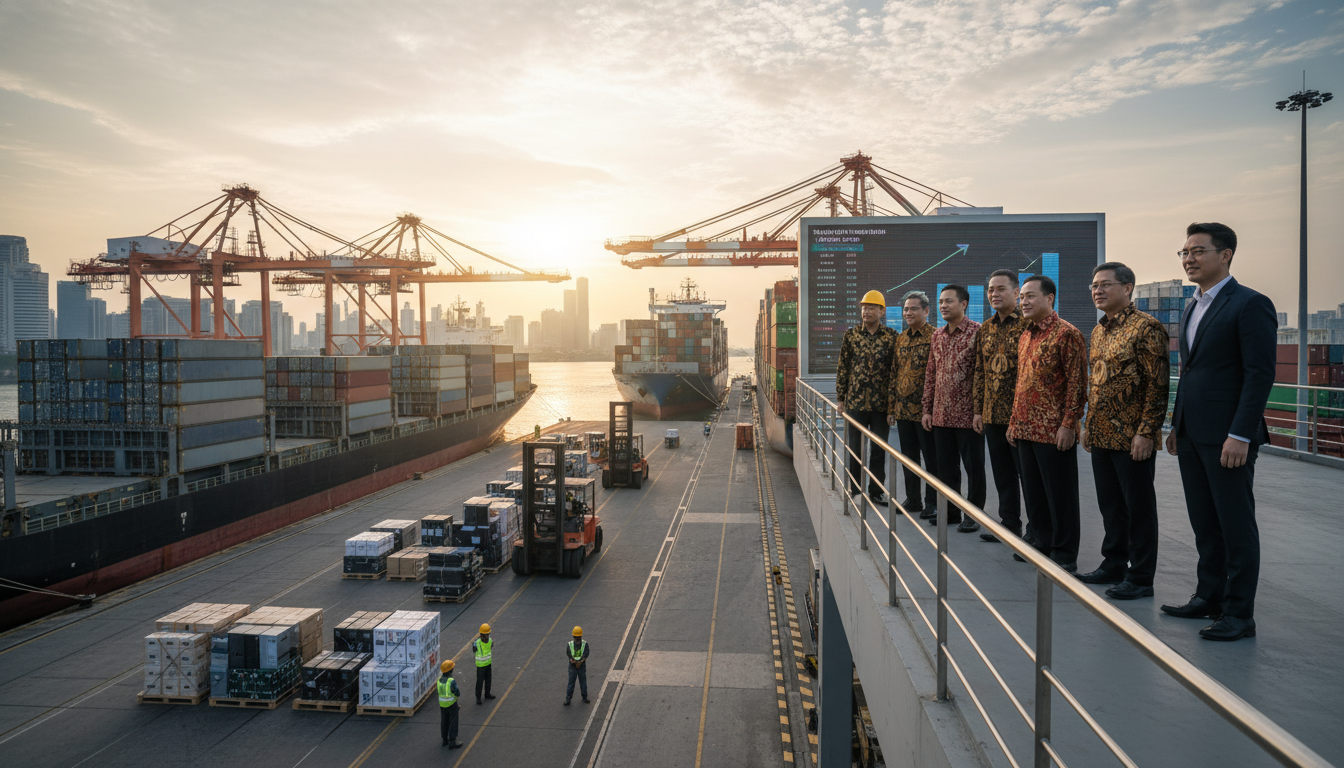
Container terminals in Singapore reported markedly higher throughput in April, mirroring the jump in non-oil exports recorded by government trade statistics. Port operators noted busy quay schedules as exporters prioritized delivery slots to meet overseas production timetables. The uptick in container traffic has provided a clear, operational signal of the trade gains shown in headline export numbers.
Shipments to Taiwan, South Korea and the US Increase
Export flows to Taiwan, South Korea and the United States showed particularly robust growth in April, according to customs and industry data. Taiwanese and South Korean firms are significant buyers of Southeast Asian parts for assembly and testing, while US demand reflects purchases of finished products and server components. The concentration of orders toward these three markets highlights the close manufacturing links that underpin global AI hardware supply chains.
Regional Manufacturers Scale Up Capacity
Producers across Southeast Asia are responding by expanding production capacity and rearranging supply chains to capture rising AI-related orders. Many assembly plants have lengthened shifts and increased component inventories to avoid bottlenecks, while some firms are accelerating equipment investments. This near-term capacity expansion aims to meet sustained demand, but it is being executed cautiously to avoid oversupply if orders moderate.
Middle East Shipping Shock Presents Short-Term Risks
Trade gains arrived even as a supply chain shock originating in the Middle East disrupted some shipping lanes and raised freighter costs. Routes through the region experienced delays and insurance premiums climbed for certain voyages, forcing some exporters to reroute cargoes via longer paths. Despite these headwinds, companies said the urgency of delivering critical electronic components for AI systems kept shipments moving, albeit with higher logistics costs in some cases.
Analysts Warn on Geopolitical and Inflationary Pressures
Market observers cautioned that the current export momentum could be vulnerable to fresh geopolitical tensions or a turn in global demand. Rising freight costs and localized inflation may erode margins for smaller suppliers, and chip supply constraints remain a latent risk if demand spikes further. Policymakers and industry groups are monitoring the situation to ensure ports, customs and logistics networks can handle continued growth without systemic strain.
The April figures reinforce Southeast Asia’s position as a key node in the global electronics ecosystem, particularly for products and parts tied to AI deployment. Continued investment in manufacturing capacity and logistics resilience will be essential for sustaining export growth as global buyers scale up their AI infrastructures.
Looking ahead, exporters and industry analysts expect demand connected to AI deployment to remain a central driver of trade flows, but they stress that persistence of recent export gains will depend on stable shipping conditions and steady upstream supply of critical components. The region’s ability to adapt to shifting routes and to maintain production momentum will shape whether the April surge becomes a sustained trend.

