
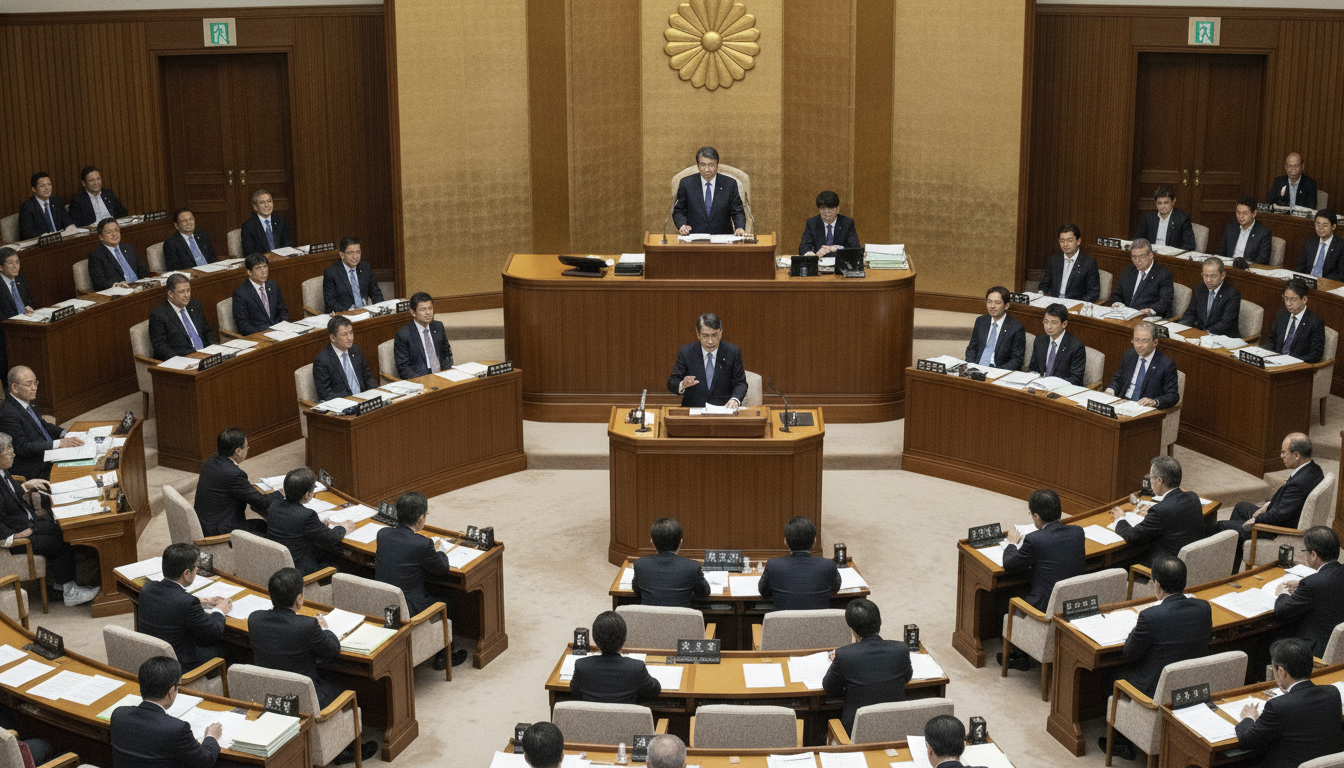
Diet resumes as Prime Minister Takaichi agrees to concentrated sessions; key reforms remain stalled
Diet resumes July 7, 2026 after PM Takaichi agrees to opposition demand for concentrated budget hearings and a leaders’ debate; key reform bills remain stalled.
Japan’s national Diet is set to resume deliberations after Prime Minister Sanae Takaichi signaled on July 6, 2026 that her government will meet opposition demands for concentrated proceedings in the House of Councillors. The administration conveyed it will allow a focused session of the upper chamber’s budget committee and a party leaders’ debate with the prime minister in attendance. Lawmaking in the upper house is expected to restart on July 7, 2026, but major items including a contentious lower-house seat reduction and a proposed revision to the Imperial Household Law remain unresolved.
Prime Minister Agrees to Opposition Call for Concentrated Budget Sessions
The Takaichi administration informed opposition parties on July 6 that it would accede to their request for concentrated scrutiny in the House of Councillors’ budget committee, setting the stage for direct questioning of the prime minister. Officials said the decision was aimed at breaking the parliamentary deadlock that had stalled committee work and other deliberations. The move also includes a scheduled leaders’ debate in which party heads will confront one another on policy priorities and the government’s agenda.
Upper House to Resume Bill Deliberations from July 7, 2026
Parliamentary sources indicated the House of Councillors will begin consideration of bills from July 7, 2026, reversing a recent freeze in committee activity caused by party confrontations. The restart will focus initially on procedures and scheduling before substantive debate on individual measures resumes. Lawmakers are preparing to prioritize time-sensitive items while negotiating the order in which bills will be taken up.
Standoff over Lower House Seat Reduction Continues
A central point of contention that contributed to the recent paralysis is a government bill to reduce the number of seats in the House of Representatives, a proposal that has drawn fierce opposition scrutiny. Opposition parties argue the measure lacks adequate consultation and could alter electoral balance, while the ruling bloc says it is necessary to address demographic shifts and streamline representation. Negotiations over amendments and the bill’s timetable are expected to be protracted, making passage uncertain during the current session.
Imperial Household Law Revision Faces an Uncertain Path
Efforts to revise the Imperial Household Law — a sensitive and politically fraught matter — showed little prospect of immediate progress even as the Diet reopens. Government officials acknowledged that while the revision remains on the agenda, divergent views among parties and within the ruling coalition complicate consensus. Analysts say the combination of procedural fights and public sensitivity over imperial matters means any reform will require sustained cross-party negotiation beyond the coming days.
Opposition Strategy and Political Calculations
Opposition leaders framed their demand for concentrated sessions as a way to extract clearer commitments from the government and to bring public scrutiny to contested bills. Parties outside the ruling coalition are using the resumption to press for concessions on both procedural transparency and policy substance. Political strategists note the timing — immediately ahead of high-profile committee hearings — gives opposition actors leverage to shape the public narrative and influence undecided lawmakers.
Legislative Prospects and a Tight Timetable
With the House of Councillors scheduled to reconvene on July 7, the immediate question is whether the government can convert renewed debate into concrete legislative progress. Even if hearings proceed as agreed, the need to reconcile differences between the two chambers and to secure votes in the Diet’s complex committee structure will slow the process. Observers warn that unless compromises are forged quickly, controversial bills could be deferred or diluted, leaving the administration with partial achievements at best.
The resumption of Diet business marks a tactical victory for opposition parties that pressed for concentrated oversight, and it places Prime Minister Takaichi directly in the spotlight as lawmakers interrogate the government’s priorities. Still, significant legal changes and the fate of contentious reform bills remain in flux, and observers expect bargaining and parliamentary maneuvering to continue through the coming weeks.

