
Iran condemns Bahrain after Manama strips 69 people of citizenship
Iran condemned Bahrain after Manama stripped 69 people of citizenship for alleged sympathy with Tehran, calling the move politically motivated and a distraction from regional responsibilities.
The Iranian Foreign Ministry publicly condemned Bahrain after the Gulf kingdom revoked the citizenship of 69 people, including family members, citing expressions of sympathy for Tehran amid heightened US‑Israeli actions against Iran. The statement, carried by Iran’s state broadcaster, framed the decision as an attempt to shift attention from Bahrain’s own policies. Bahrain’s official announcement said the revocations targeted individuals accused of praising or supporting what it described as hostile acts by Iran.
Bahrain Strips 69 of Citizenship
Bahrain said it stripped 69 people of citizenship on Monday, singling out both individuals and relatives for what the government described as “sympathy and praise” for Iran’s actions. The Ministry’s announcement framed the move as a matter of national security and loyalty.
Details published by Bahraini authorities did not list names in the initial statement and gave limited information on legal procedures or appeal rights for those affected. The decision represents one of the larger citizenship revocation actions publicly disclosed by Manama in recent years.
Iran’s Response and Official Statement
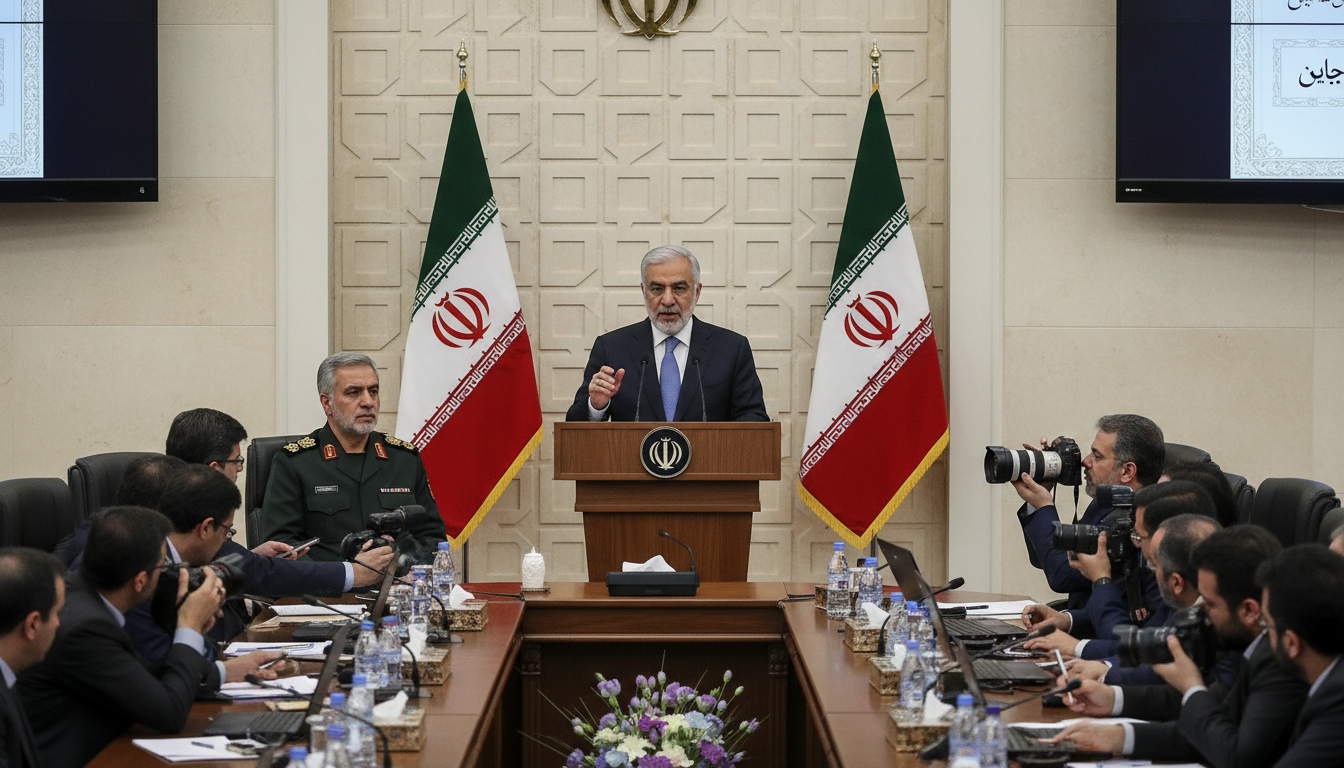
Iran’s Foreign Ministry spokesman Esmaeil Baqaei denounced the measure, saying Manama’s action aimed to distract public opinion from its own support for US and Israeli operations, according to state media reports. Tehran’s statement characterized the revocations as politically motivated and likely to inflame tensions.
State-owned IRIB carried the Iranian reaction and highlighted Tehran’s assertion that Bahrain’s move was aligned with broader regional dynamics. Iranian officials urged international attention to what they described as punitive measures against individuals expressing political sympathy.
Bahraini Government’s Rationale
Bahrain’s public justification emphasized national security and the prevention of activities deemed supportive of external aggression. Officials described the revocations as a response to expressions they labeled as praise for acts that threatened Bahraini and regional stability.
The government statement stressed that citizenship can be withdrawn in cases where individuals are judged to have contravened laws related to national security. Bahraini officials did not provide detailed evidence in their announcement, stating that the action followed legal procedures under relevant domestic statutes.
Domestic Reaction in Bahrain
Independent verification of public sentiment in Bahrain was limited in the immediate aftermath of the announcement, and media access to affected families was restricted. Local civil society groups and journalists have historically faced constraints when reporting on politically sensitive cases, complicating efforts to confirm on‑the‑ground reactions.
Observers and Bahrain watchers noted that moves to revoke citizenship often spark concern among communities with ties to the targeted individuals, and can intensify debates over citizenship rights and state authority. The lack of transparent legal disclosure contributed to calls for clearer information on how the decisions were reached.
Human Rights Concerns and Legal Questions
Human rights advocates warn that mass citizenship revocations risk creating statelessness and violate international norms when due process protections are not evident. Legal experts say such measures should be subject to clear judicial oversight and the right to appeal to safeguard basic rights.
Without comprehensive public documentation of evidence or accessible appeals, critics contend the affected individuals may be left with limited legal recourse. The potential for long‑term social and economic exclusion raises concerns among rights organizations about the proportionality and fairness of the action.
Regional Security Context
The citizenship revocations come amid elevated tensions tied to recent US and Israeli operations that have involved Iran, contributing to heightened sensitivities across the Gulf and the wider Middle East. Gulf governments have increasingly framed internal security measures within the context of regional confrontations.
Analysts say actions that target perceived domestic sympathizers of external powers can deepen mistrust between communities and authorities, and may complicate broader efforts to manage cross‑border security dynamics. The case underscores how regional conflicts continue to reverberate inside states thousands of miles from front lines.
Potential Diplomatic Fallout
The episode may strain ties between Bahrain and Iran, which have experienced periodic diplomatic friction over the past decade. Tehran’s strong public condemnation signals a willingness to escalate rhetoric, and could prompt diplomatic exchanges or protests if either side chooses to lodge formal objections.
Other regional and international actors could be prompted to weigh in if concerns about due process and rights broaden beyond bilateral complaints. How Manama and Tehran manage subsequent communications could shape immediate diplomatic consequences.
The revocation of citizenship for dozens of people in Bahrain reverberated beyond the individuals directly affected, touching on questions of national security policy, legal transparency, and regional tensions tied to US‑Israeli operations and Iran’s role in the Middle East.

