
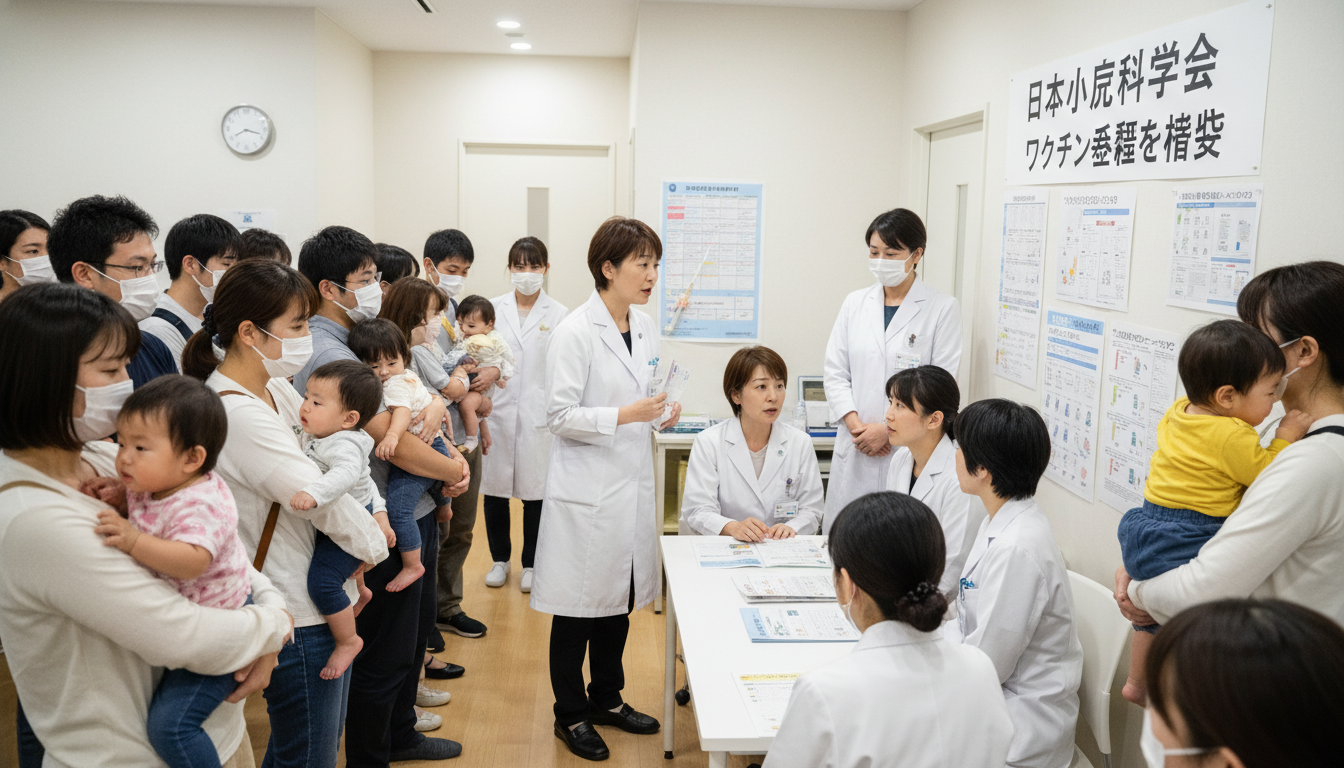
Measles cases in Japan near post‑pandemic high as 236 infections confirmed by early April
Measles cases in Japan reached 236 by early April 2026, nearing last year’s post‑pandemic peak of 265; health authorities and pediatricians are urging vaccinations.
Japan recorded 236 confirmed measles cases by early April 2026, bringing the country close to last year’s post‑pandemic full‑year high of 265 cases. Measles cases in Japan are concentrated among younger people, and the Japan Pediatric Society has issued public appeals for vaccination to curb further spread. Health officials say nearly all people without immunity who are infected develop symptoms and that the disease can lead to serious complications.
Early 2026 case count approaches last year’s peak
Japan’s tally of 236 measles patients by early April marks a sharp rise compared with the immediate post‑COVID years. Last year’s full‑year total of 265 has stood as the highest since the pandemic-era decline, and this year’s early figures suggest the country may surpass or closely match that level.
Public health surveillance data show case counts accelerating in the first months of the year rather than remaining sporadic. Officials monitoring the outbreak are tracking regional clusters and patient demographics to inform targeted responses.
Young people account for roughly half of infections
Roughly half of the confirmed measles patients fall in the 10‑ to 29‑year‑old age group, according to clinical reports. The concentration among adolescents and young adults underscores an immunity gap that health authorities are aiming to address through outreach and catch‑up vaccination efforts.
Clinicians warn that younger age cohorts who missed routine immunizations or booster doses during the pandemic years may be more vulnerable. Authorities are prioritizing communication to schools, universities and workplaces where contact rates are higher.
Typical symptoms, incubation period and severe risks
Measles infection generally begins with cold‑like symptoms about 10 days after exposure, followed by a high fever and a characteristic rash. Medical reports stress that almost all people without prior immunity will develop symptoms, making measles highly transmissible in susceptible populations.
The illness can progress to severe complications in some patients, including encephalitis and pneumonia. Health professionals emphasize that these outcomes, while uncommon, are potentially life‑threatening and place additional burdens on hospitals and intensive care resources.
Japan Pediatric Society urges immediate vaccination
The Japan Pediatric Society has publicly called on eligible people to receive measles vaccination as soon as possible. The society’s appeal focuses on closing immunity gaps among adolescents and young adults and protecting infants and others who cannot be fully immunized.
Pediatricians and pediatric societies regularly highlight vaccination as the most effective tool to prevent outbreaks. The current advisory emphasizes catch‑up doses for those with uncertain immunization histories and timely vaccination for individuals entering group settings.
Public health response and vaccination access measures
Health authorities are strengthening surveillance and contact tracing in areas where clusters have emerged. Local health bureaus are coordinating with clinics to ensure vaccine supplies and to set up additional immunization opportunities in community centers and schools.
Officials also plan public information campaigns to clarify eligibility and timing for vaccination, and to reduce barriers such as access and scheduling. Ensuring clear guidance on where and when people can obtain doses is a central part of the immediate response strategy.
Public messaging is being tailored to reach the age groups most affected, with targeted outreach in educational institutions and through social media channels commonly used by younger people. Authorities say timely vaccination is critical to prevent transmission and to protect those who are medically vulnerable.
The recent increase in measles cases serves as a reminder that vaccine‑preventable diseases can resurge when immunity gaps persist. Public health officials and pediatricians urge those with uncertain vaccination histories to check records and receive recommended doses to help curb the spread.

