
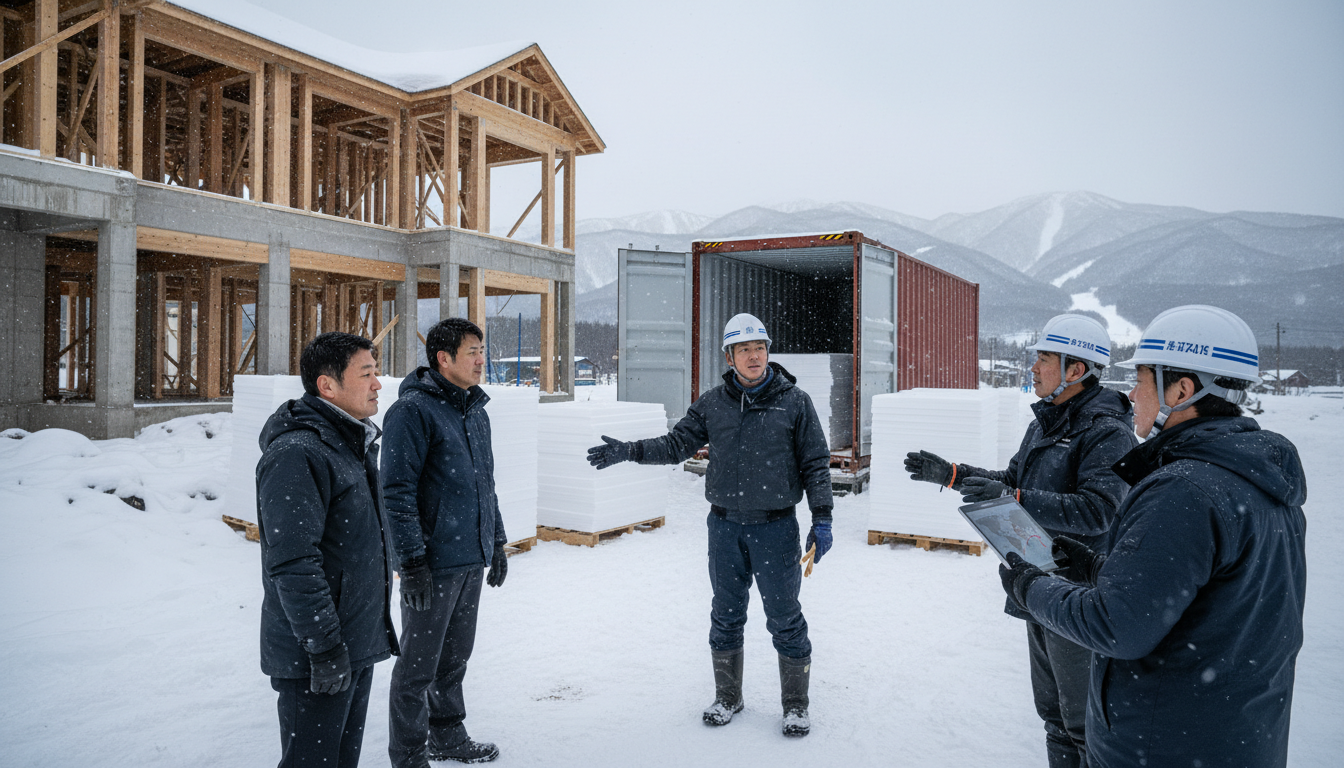
Styrofoam Shortage Threatens Niseko Luxury Home Projects as Strait of Hormuz Disruptions Ripple Through Supply Chains
Styrofoam shortage tied to Strait of Hormuz oil disruptions is delaying luxury home and condo construction in Niseko and squeezing project timelines.
Spring construction in Niseko is facing an unexpected bottleneck as a styrofoam shortage, linked to disruptions in oil shipments through the Strait of Hormuz, is forcing delays and design changes for high-end homes and condominiums. Builders say the scarcity of naphtha-derived polystyrene products is already affecting insulation, protective packaging and temporary forms, putting several multimillion-dollar projects at risk of missing scheduled completion dates. Local developers and foreign buyers alike are weighing contingency plans as material lead times stretch and costs rise.
Construction Timelines at Risk in Niseko
Builders in Niseko report that components made from expanded polystyrene — commonly called styrofoam — are used across phases of resort construction, from insulation in walls to protective skirting and packaging for imported fixtures. Without access to steady supplies, contractors warn that entire schedules can slip, particularly during spring when many projects ramp up after winter skiing season.
Paul Nikel, president of West Canada Homes, which has completed projects across Niseko and Hakuba, said disruption to styrofoam availability could throw off completion dates for several custom houses and condominiums. He told local project managers that a single missing material can stall interior finishes and exterior weatherproofing, creating cascading delays.
Supply Chain Link to Strait of Hormuz Disruptions
Industry insiders trace the shortage to a reduction in shipments of crude and refinery feedstocks through the Strait of Hormuz, which has tightened supplies of naphtha used to produce polystyrene. The downstream effect has been felt in packaging and construction supply chains that rely on those petrochemical feedstocks for foam insulation and panels.
Manufacturers and importers say lead times have extended and spot prices for foam products have risen, prompting larger construction firms to seek alternative sources or pay premiums to secure material. Smaller builders, who lack buying power, face the prospect of pausing work or adopting more labor-intensive substitutes.
Local Builders Adjust Designs and Materials
Some Niseko developers have begun redesigning elements to reduce reliance on styrofoam, substituting mineral wool, polyurethane spray foam, or thicker structural insulation where feasible. These alternatives can mitigate immediate shortages but often come with higher costs or different installation requirements that affect project budgets and schedules.
Contractors also report increased use of temporary measures, such as delaying installation of weather-sensitive finishes until insulation arrives, or prefabricating components offsite to better manage scarce materials. While these tactics preserve progress on some fronts, they cannot replace certain specialty foam products used for specific light-weighting and shaping needs.
Economic Impact on Niseko Property Market
The shortage is unfolding as demand for vacation homes in Niseko remains robust among domestic buyers and international clients who purchased during the winter months. Delays and cost increases risk eroding profit margins for developers and could dampen buyer confidence if projects are not completed on time.
Local suppliers and real estate agents caution that repeated disruptions could influence resale timelines and seasonal rental availability, with knock-on effects for the local tourism economy. Stakeholders say clear communication with buyers and transparent revision of timelines will be critical to managing expectations.
Developers and Buyers Seek Contingency Plans
Developers are reporting that some overseas clients are willing to accept revised delivery dates, while others are pressing for contract clauses that address material shortages and schedule adjustments. Legal and financial advisors recommend updating contracts to explicitly cover force majeure events tied to supply-chain interruptions.
Industry groups and construction firms are also exploring regional sourcing and strategic stockpiling of critical items, although storage costs and the perishable nature of some components complicate such measures. Collaborative purchasing among builders has emerged as a short-term tactic to stabilize procurement.
Final paragraph
As Niseko transitions from winter tourism to a busy spring construction season, the styrofoam shortage underscores how global geopolitical tensions can reach into local development projects and everyday materials. Builders, buyers and local officials are now balancing immediate workarounds with longer-term resilience planning to ensure that luxury homes and condominiums proceed without compromising safety, quality or the reputation of the resort market.

