
Philippine Government Raises Metro Manila Minimum Wage by 12% to ₱780
Philippine government raises Metro Manila minimum wage 12% to ₱780 daily — biggest increase in decades — as inflation squeezes households and critics urge larger raises.
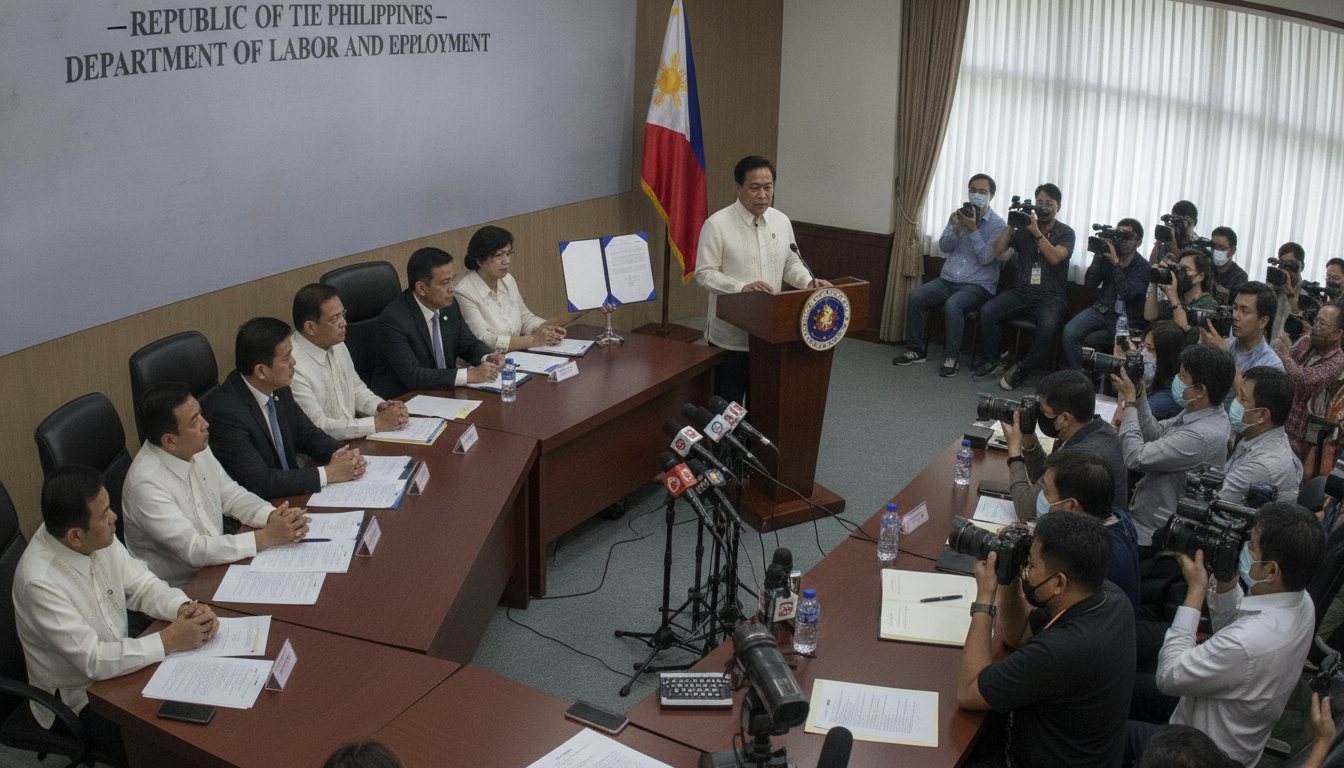
The Philippine government announced on Tuesday that the Metro Manila minimum wage will rise by 12% to ₱780 per day from ₱695, marking the largest increase in more than two decades. The decision, intended to ease pressure on household budgets, comes amid forecasts that inflation will remain elevated through 2026. Critics, however, say the raise does not fully restore purchasing power lost to recent price increases.
Government Announces 12% Increase
The wage board approved the new daily minimum of ₱780, a policy move described by officials as a response to sustained inflation and rising living costs in the capital region. Government statements emphasized the need to balance worker relief with the broader economic environment, noting potential impacts on employment and business operations. The change raises the baseline pay for thousands of workers in Metro Manila and surrounding urban areas.
Scope and Implementation
The increase applies to private-sector workers covered by the regional wage-setting mechanism, with the new rate scheduled to take effect following official publication of the board’s resolution. Employers are expected to comply with the revised minimum, and labor authorities have said they will monitor implementation and address complaints about non-compliance. Small businesses may receive guidance or transitional support from local agencies, though enforcement will be a key determinant of the policy’s real-world impact.
Impact on Household Budgets
Analysts say the rise to ₱780 will provide immediate relief for low-wage earners who have faced shrinking purchasing power amid higher food and fuel prices. For a full-time worker, the increase raises weekly and monthly take-home pay, but it may still fall short of covering the cost of basic needs in Metro Manila. Consumer groups and household surveys highlight that housing, transport and food inflation have been the main drivers of budget strain for many families.
The government noted the hike as a necessary step to help workers cope, while acknowledging that broader social policies and wages in other regions will influence living standards nationwide. Economists caution that a single regional raise will not fully offset nationwide inflationary pressures, which can differ substantially between urban and rural areas.
Business and Employer Responses
Business groups reacted cautiously, expressing concern about cost pressures for firms already facing higher input prices and tight margins. Some employers warned that sustained increases in labor costs could accelerate automation, hiring freezes, or higher prices for consumers if productivity gains do not keep pace. Trade associations urged a measured approach and called for complementary policies to boost competitiveness and support small and medium-sized enterprises.
At the same time, sectors with labor shortages said higher minimum pay could help stabilize staff retention and reduce turnover, potentially improving service delivery and productivity over time. Several industry representatives expressed interest in dialogue with government and labor groups to manage implementation risks.
Labor Groups and Critics
Labor organizations welcomed the increase as a step forward but argued it remains insufficient to restore living standards eroded by months of above-target inflation. Unions and worker advocates urged policymakers to consider more frequent reviews of minimum wages and stronger social protections, including expanded social transfers or subsidies targeted at the poorest households. Some critics have called for a regionally tailored approach that sets wages closer to a living-wage benchmark rather than solely relying on periodic percentage increases.
The debate underscores a long-running tension between worker demands for higher pay and concerns from business and government about inflation and employment. Labor leaders signaled they will continue pushing for broader reforms to address structural underemployment and job quality.
Inflation Context and Economic Outlook
Macroeconomic forecasts point to elevated inflation pressures in 2026, driven largely by food and energy costs, which limit the real value of nominal wage gains. Policymakers argue that while the increase helps mitigate some immediate hardship, it must be complemented by measures to stabilize prices and boost productivity. The central bank and fiscal authorities will likely monitor the labor cost effect on overall inflation trends as data come in.
Economic analysts say the net effect of the wage rise will depend on how businesses adjust prices and employment strategies, and on whether additional fiscal or monetary measures cushion vulnerable households. Continued public and private investment in skills, infrastructure and supply chains is viewed as important to sustain wage growth without igniting inflationary spirals.
The new minimum wage follows a series of policy responses aimed at protecting consumers and workers while maintaining macroeconomic stability. Officials have emphasized coordination across agencies to track outcomes and to consider further adjustments if economic conditions deteriorate.
The Metro Manila minimum wage increase to ₱780 represents a significant policy shift intended to help low-wage workers amid persistent inflation, but its ultimate effectiveness will hinge on enforcement, complementary social measures, and how businesses and markets respond in the coming months.

