
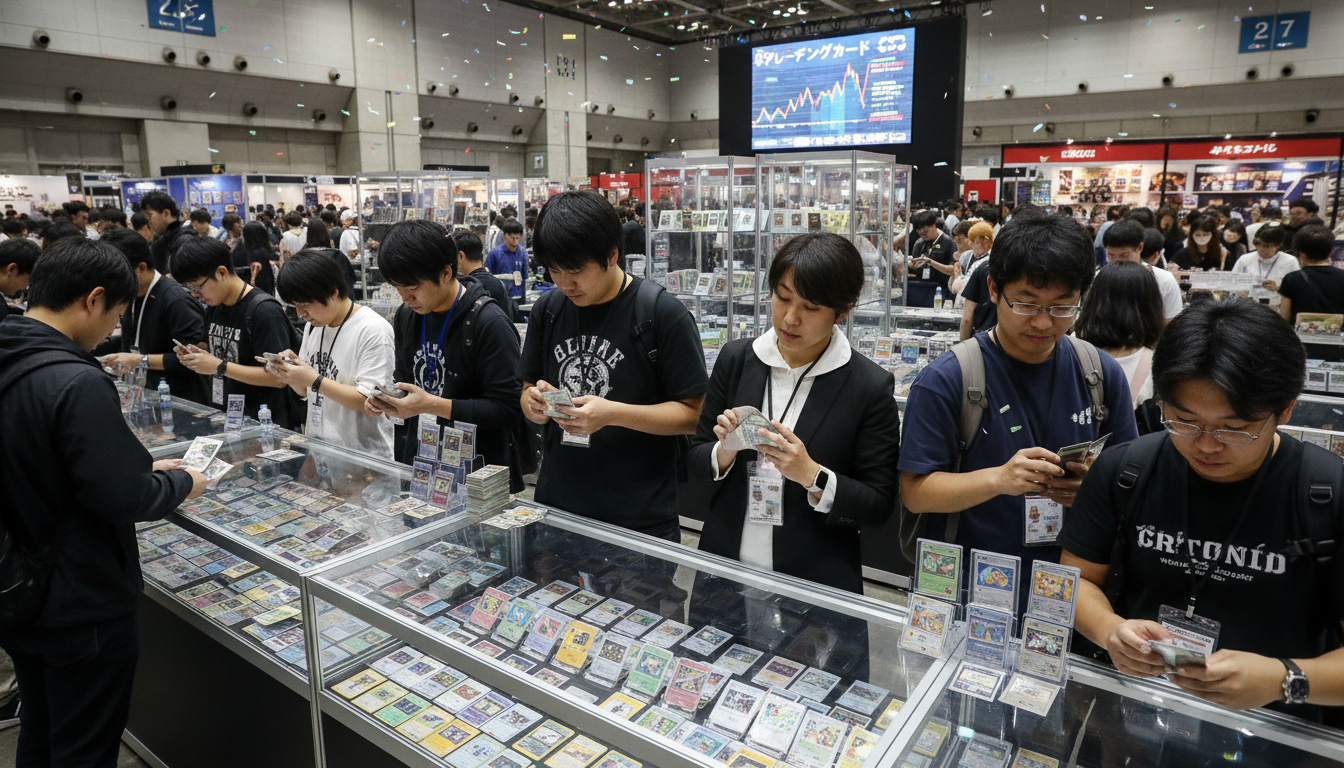
Pokemon cards surge as collectors and investors drive a global market boom
Pokemon cards surge in value as collectors and investors drive record auctions, graded-rarity premiums and new buyers reshape the global trading-card market rapidly.
NEW YORK — Pokemon cards have vaulted from niche collectibles into mainstream investment assets, with prices and interest spiking worldwide as collectors and speculators chase rare prints and top-graded examples. The Pokemon Index reportedly rose more than 60-fold between 2006 and 2026, underlining a dramatic appreciation that has pulled other Japanese trading-card franchises, including Yu-Gi-Oh, into the spotlight. Market participants say a mix of scarcity, professional grading and broader investor appetite is reshaping how cards are bought, sold and valued.
Prices climb as Pokemon cards become mainstream investment
Prices for high-grade Pokemon cards have surged at auction houses and online marketplaces, often commanding sums far beyond previous records. Buyers range from longtime collectors to new investors seeking alternative assets, and competition has intensified for early-era cards and limited promotional releases. This broader demand has lifted valuations across the trading-card segment and altered expectations about the asset class’s long-term prospects.
Grading services and scarcity push premiums
Professional grading firms have emerged as central arbiters of value, with cards that receive top grades selling at steep premiums compared with ungraded examples. The combination of surface condition, centering and authenticity certification creates clear tiers in pricing, and collectors often target sealed, mint-condition items. Limited print runs, promotional variants and damaged or retired stock contribute to scarcity dynamics that amplify price swings.
Auction houses and online platforms record new highs
Major auction houses and specialist online marketplaces report rising sales volumes and record bids for single cards and curated collections. These venues provide price transparency and provenance trails that institutionalize what was once an informal exchange among hobbyists. Secondary-market tools such as bidding platforms and trading forums have contracted the time it takes for a rare card to move between hands, accelerating turnover and visibility for headline-grabbing sales.
Japanese franchises fuel global collector demand
Franchises originating in Japan, most notably Pokemon and Yu-Gi-Oh, continue to anchor the market due to strong nostalgic appeal and enduring cultural influence. Early sets, first-edition prints and factory-sealed booster boxes from the 1990s and 2000s are especially prized by buyers who grew up with the properties. The globalization of fandom — through conventions, online communities and social media — has linked dispersed buyers, widening demand beyond traditional regional markets.
Speculators, celebrities and new investor profiles reshape buying patterns
A shift in buyer profile has been evident as celebrities, professional investors and younger digital-native collectors enter the market. Social media exposure and high-profile purchases have attracted fresh capital and publicity, sometimes producing short-term price spikes around specific cards. Market participants caution that interest driven by trends or celebrity endorsements can be volatile, however, and may not signal sustained demand for all segments of the market.
Regulatory scrutiny, counterfeits and grading disputes pose challenges
Rapid appreciation has drawn attention to fraud, counterfeit cards and disputes over grading outcomes, prompting calls for enhanced authentication and consumer protections. Some collectors report difficulties when attempting to verify provenance for older cards that changed hands multiple times. Regulators and market platforms are increasingly under pressure to improve transparency and dispute-resolution mechanisms to preserve buyer confidence.
Investor advisers and market analysts warn that the trading-card market can exhibit sharp corrections and seasonal volatility, similar to other collectible markets. Liquidity varies significantly across card tiers, with marquee items easier to trade than mid-range collectibles. Prospective buyers are advised to assess condition, grading provenance and the reputation of sellers before committing large sums.
Final paragraph
As valuations for Pokemon cards and other Japanese trading-card franchises continue to climb, the market is blending hobbyist enthusiasm with financial speculation in new ways. Collectors and investors alike are navigating a landscape shaped by rarity, certification and global demand, while the sector adapts to the practical challenges of authenticity and market stability. The trajectory of prices in the coming years will depend on whether new buyer interest sustains or cools, and on how the industry addresses the structural risks that have emerged alongside rapid growth.

